
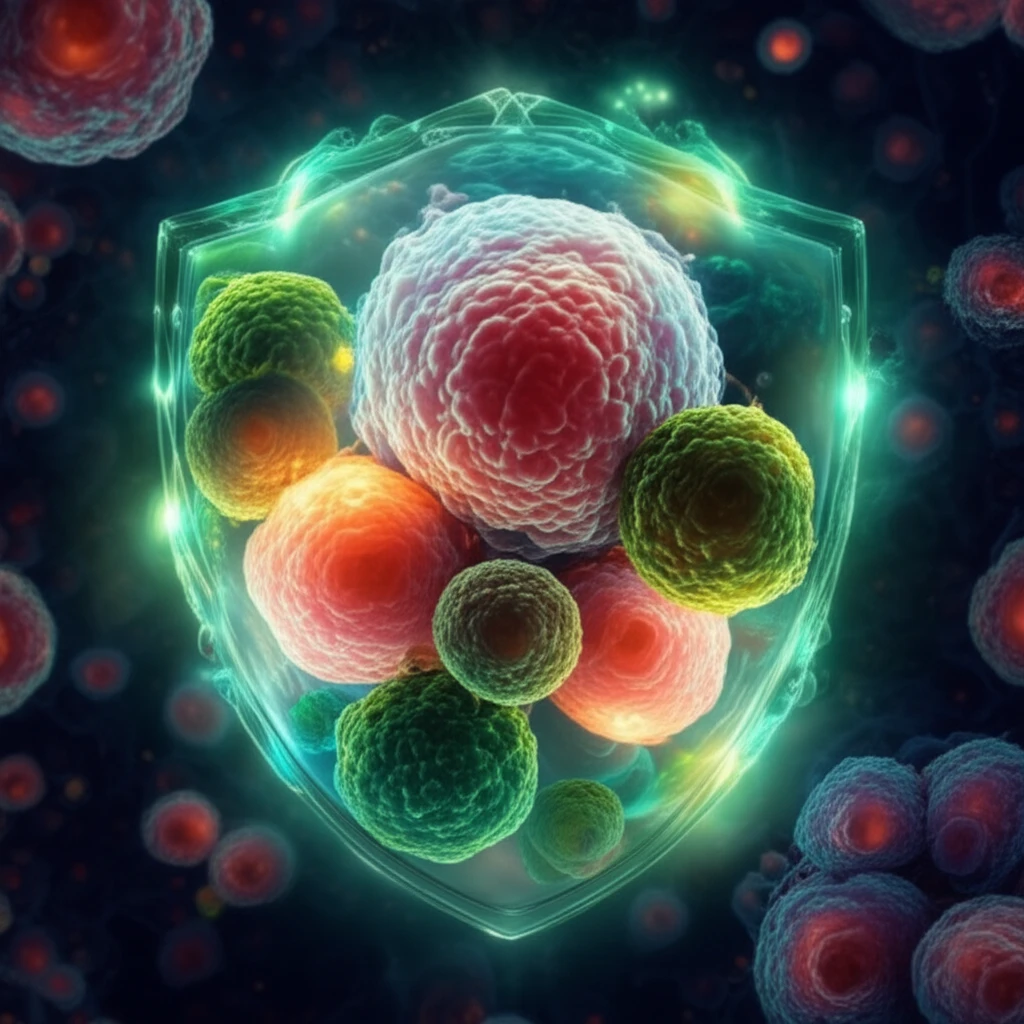
Microscopic algae transforming into a protective shield around healthy cells, symbolizing their potential in cancer therapy.

Unlock Nature's Secret: How Microalgae Could Revolutionize Cancer Therapy

"Dive into the cutting-edge research exploring the potential of microalgae in modern cancer treatment and discover how these tiny organisms might hold the key to a healthier future."


Cancer remains a significant global health challenge, requiring innovative and effective treatment strategies. While conventional treatments like chemotherapy and radiation have been the standard approach, they often come with severe side effects that compromise the patient's quality of life. This reality has spurred the search for alternative and complementary therapies that can minimize these adverse effects while effectively combating cancer.

In recent years, a growing body of research has focused on the potential of natural compounds, particularly those derived from marine and freshwater flora, to offer anti-cancer benefits. Among these, microalgae have emerged as a promising source of bioactive molecules with the potential to revolutionize cancer therapy. These tiny organisms are packed with a diverse array of compounds, including carotenoids, polysaccharides, vitamins, sterols, and minerals, making them a treasure trove of untapped therapeutic potential.

This article delves into the current understanding of microalgae's role in modern cancer therapy, exploring the various species with anti-tumor activity, the specific cancer cell lines they affect, and the mechanisms by which they exert their inhibitory effects on cell cycle progression and proliferation. Join us as we uncover the potential of these microscopic powerhouses in the fight against cancer.

Microalgae: Nature's Tiny Warriors Against Cancer

Microscopic algae transforming into a protective shield around healthy cells, symbolizing their potential in cancer therapy.

Microalgae, those microscopic, photosynthetic organisms thriving in both marine and freshwater environments, hold a remarkable capacity to produce unique compounds for survival and defense. This has captured the attention of researchers worldwide, especially for their potential in drug discovery. Boasting a wide range of structural diversity, microalgae interact with multiple biological pathways, positioning them as a rich source of medical, cosmetic, and pharmaceutical compounds.

Within microalgae, you'll find a treasure trove of constituents like lipids, proteins, polysaccharides, vitamins, and antioxidants. These components work synergistically to bolster the host's defenses by:

  • Enhancing natural killer-cell activity.
  • Activating the immune system.
  • Inhibiting cancer cell growth.
These attributes position microalgae as significant contributors to cancer prevention and treatment. Their ability to adapt to extreme conditions, like environmental temperature fluctuations and hydrothermal vents, equips them with unique compounds beneficial for human health.

The Future of Microalgae in Cancer Treatment

Microalgae offer a promising avenue for developing novel cancer therapies due to their unique bioactive compounds and mechanisms of action. While further research is needed to fully understand and harness their potential, microalgae represent a significant opportunity to advance the fight against cancer and improve patient outcomes. Ongoing studies and clinical trials will be crucial in validating these findings and translating them into effective treatments for a wide range of cancers. The journey to unlock nature's full potential in cancer therapy has only just begun, but the possibilities are vast and inspiring.

About this Article -

This article was crafted using a human-AI hybrid and collaborative approach. AI assisted our team with initial drafting, research insights, identifying key questions, and image generation. Our human editors guided topic selection, defined the angle, structured the content, ensured factual accuracy and relevance, refined the tone, and conducted thorough editing to deliver helpful, high-quality information.See our About page for more information.

Everything You Need To Know

1

What are microalgae, and why are they being researched for cancer treatment?

Microalgae are microscopic, photosynthetic organisms found in both marine and freshwater environments. Researchers are investigating them for cancer treatment because these organisms produce unique compounds, such as carotenoids, polysaccharides, vitamins, sterols, and minerals. These components have shown anti-cancer properties and the potential to enhance natural killer-cell activity, activate the immune system, and inhibit cancer cell growth. Their ability to thrive in extreme conditions indicates a potential for unique bioactive compounds beneficial for human health.

2

How do microalgae compare to traditional cancer treatments like chemotherapy and radiation?

Traditional treatments, such as chemotherapy and radiation, often lead to severe side effects that can negatively impact a patient's quality of life. Microalgae, with their diverse array of bioactive compounds, offer an alternative or complementary approach. They aim to minimize adverse effects while still effectively combating cancer. Microalgae-derived compounds interact with multiple biological pathways, suggesting a potentially more targeted approach with fewer side effects compared to conventional treatments.

3

What specific compounds found in microalgae are believed to have anti-cancer properties?

Microalgae contain a variety of compounds with anti-cancer properties, including carotenoids, polysaccharides, vitamins, sterols, and minerals. These compounds work synergistically to potentially enhance the host's defenses, activate the immune system, and inhibit cancer cell growth. The specific mechanisms and effectiveness vary depending on the compounds and cancer cell lines.

4

Besides their compounds, what other aspects of microalgae make them promising for cancer therapy?

Besides their bioactive compounds, the ability of microalgae to adapt to extreme environments, like temperature fluctuations and hydrothermal vents, gives them a unique edge. This adaptation results in the production of compounds that are beneficial for human health, suggesting the potential for novel therapeutic agents. Their ability to interact with multiple biological pathways also contributes to their promise.

5

What is the future of microalgae in cancer treatment, and what steps are being taken to realize this potential?

The future of microalgae in cancer treatment is promising. Research continues to explore their unique bioactive compounds and mechanisms of action. Ongoing studies and clinical trials are essential to validate the findings and translate them into effective treatments for various cancers. The journey to unlock nature's full potential in cancer therapy has just begun, and further research is needed to understand fully and harness the therapeutic potential of microalgae.

Newsletter Subscribe

Subscribe to get the latest articles and insights directly in your inbox.