
Unlock Nature's Power: How Bioflavonoids Boost Your Body's Defense

"Discover the surprising way these natural compounds enhance enzymes to fight inflammation and keep you healthy."
Inflammation is a common buzzword in health and wellness, often linked to various ailments and discomforts. While many reach for over-the-counter solutions, nature offers a gentler, yet powerful alternative: bioflavonoids. These naturally occurring compounds, found in many fruits and vegetables, have been shown to have the potential to boost the body's natural ability to manage inflammation.
Recent research has shed light on how certain bioflavonoids can stimulate the activity of cyclooxygenase (COX) enzymes, COX I and II, which play a crucial role in the inflammatory process. The study explores the structural basis for this activation, offering insights into how these dietary compounds might facilitate enzyme re-activation, leading to a healthier you.
This article delves into the science behind bioflavonoids and their interaction with COX enzymes, translating complex research into understandable insights that empower you to make informed decisions about your health and wellness. We'll uncover how these natural compounds function as reducing co-substrates, potentially easing inflammation and supporting overall well-being.
The Science of Activation: How Bioflavonoids Work
The key to understanding bioflavonoids' power lies in their chemical structure, particularly the B-ring. This structure is known for its antioxidant capabilities. Researchers combined molecular modeling, biochemical analysis, and site-directed mutagenesis to pinpoint exactly how these compounds interact with COX enzymes.
- QSAR/COMFA Analysis: This predicted that the effectiveness of bioflavonoids in activating COX enzymes is heavily dependent on the B-ring structure.
- Peroxidase Active Site: Through modeling and docking, the peroxidase active site of COX I and II was identified as the binding location for bioflavonoids.
- Electron Transfer: Once bound, bioflavonoids can directly interact with hematin, a component of the COX enzyme, to facilitate the transfer of electrons. This interaction is believed to aid in the enzyme's re-activation.
- Site-Directed Mutagenesis: Confirmed that Q189, located at the peroxidase site of COX II, is vital for bioflavonoids to bind and reactivate the enzyme.
Embrace the Power of Nature's Tiny Defenders
This research provides a structural understanding of how bioflavonoids function as reducing co-substrates of COX enzymes, facilitating electron transfer and enzyme re-activation. This knowledge paves the way for a deeper appreciation of how dietary compounds can influence our body's natural processes.
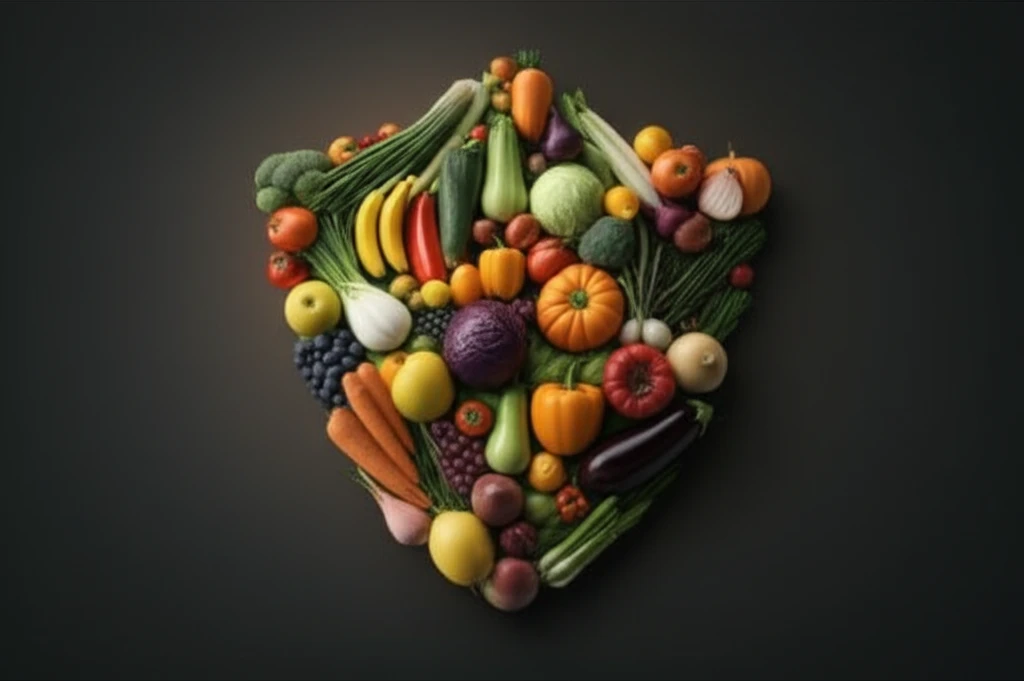
Incorporating bioflavonoid-rich foods into your diet is a simple yet powerful step towards supporting your body's ability to manage inflammation. Consider adding more citrus fruits, berries, and other colorful produce to your plate to harness the benefits of these natural compounds.
By understanding the science behind these natural compounds, you can make informed choices to support your health and well-being, unlocking the power of nature's tiny defenders against inflammation.