
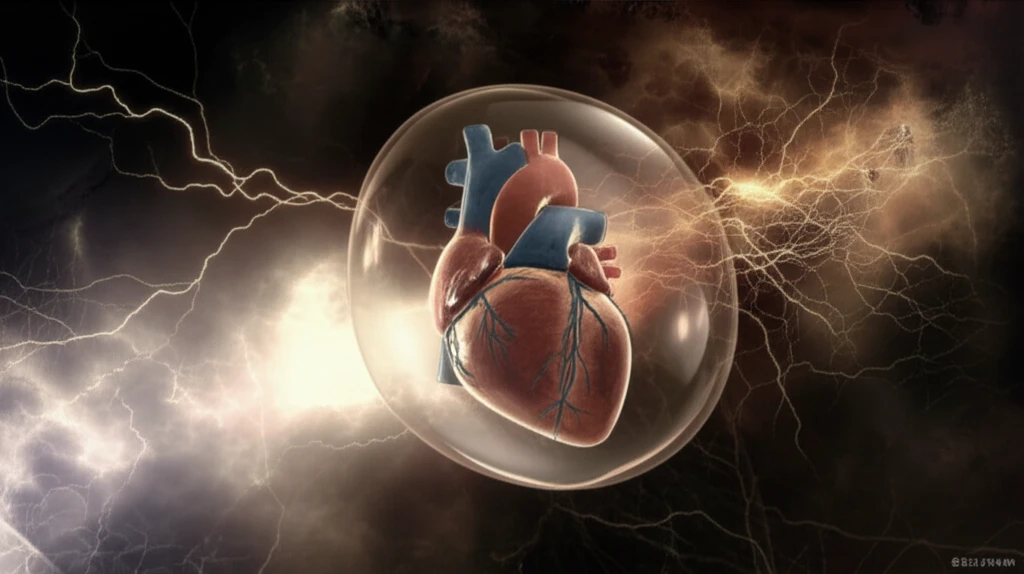
Levocarnitine heart protection

Unlock Heart Health: Levocarnitine's Surprising Role in Protecting Your Heart

"Discover how this supplement can combat oxidative stress and improve heart function in heart failure."


Heart failure is a serious condition affecting millions, with oxidative stress playing a significant role in its progression. Finding effective ways to protect the heart from damage is crucial for improving patient outcomes and quality of life.

Levocarnitine (LC), a well-known supplement for enhancing energy metabolism, is emerging as a potential protector of heart cells. Traditionally used to help shuttle fatty acids into mitochondria for energy production, new research suggests LC may offer a shield against oxidative stress in heart failure.

This article explores recent findings on how levocarnitine can combat oxidative stress and apoptosis (programmed cell death) in heart failure. We'll break down the science in an easy-to-understand way, revealing how LC could become a valuable tool in supporting heart health.

Levocarnitine: More Than Just an Energy Booster

Levocarnitine heart protection

Levocarnitine's primary function involves transporting long-chain fatty acids across the inner mitochondrial membrane, a process vital for energy production. This process ensures the normal function of the tricarboxylic acid cycle, a key metabolic pathway. But recent studies have revealed a protective role that extends beyond energy metabolism.

A recent study investigated the effects of levocarnitine on rats with induced myocardial infarction (heart attack) leading to heart failure. The rats were divided into four groups:

  • Control group (SO)
  • Model group (MI): Induced heart failure, no treatment
  • Low-dose LC group (MI-LC1): Heart failure + low dose levocarnitine
  • High-dose LC group (MI-LC2): Heart failure + high dose levocarnitine
The study monitored several indicators, including heart rate (HR), left ventricular systolic pressure (LVSP), left ventricular end-diastolic pressure (LVEDP), and the rate of pressure change in the left ventricle (+dp/dtmax). They also measured heart hypertrophy index, left ventricular mass index, and levels of BNP (a marker of heart failure), SOD (an antioxidant enzyme), and MDA (an indicator of oxidative stress).

The Heart-Protecting Potential of Levocarnitine

The research indicated that levocarnitine, especially at higher concentrations, showed a protective effect on the heart. It reduced LVEDP, increased LVSP and +dp/dt max, and inhibited the proliferation of fibrous tissue. Additionally, it significantly lowered left ventricular mass index and BNP levels.

The study also highlighted LC's antioxidant properties. The MI group showed increased MDA levels (indicating oxidative stress) and decreased SOD levels (indicating reduced antioxidant defense). Levocarnitine treatment, however, counteracted these effects, suggesting its role in combating oxidative stress.

Levocarnitine appears to offer a multi-faceted approach to protecting the heart. By reducing oxidative stress and modulating apoptosis, LC presents a promising avenue for supporting heart health in those at risk or already experiencing heart failure. While these findings are encouraging, more research and clinical trials are needed to fully understand and harness the therapeutic potential of levocarnitine for heart health.

About this Article -

This article was crafted using a human-AI hybrid and collaborative approach. AI assisted our team with initial drafting, research insights, identifying key questions, and image generation. Our human editors guided topic selection, defined the angle, structured the content, ensured factual accuracy and relevance, refined the tone, and conducted thorough editing to deliver helpful, high-quality information.See our About page for more information.

Everything You Need To Know

1

What is Levocarnitine, and what is its main function?

Levocarnitine (LC) is a supplement traditionally known for its role in energy metabolism. It helps transport fatty acids into mitochondria, which is essential for energy production through the tricarboxylic acid cycle. Beyond this, research indicates that Levocarnitine can protect heart cells from damage, especially from oxidative stress. This protective effect is significant for heart health, potentially improving outcomes for heart failure patients.

2

Why is oxidative stress relevant to heart failure, and how does Levocarnitine help?

Heart failure is a serious condition where the heart struggles to pump blood effectively. Oxidative stress, a condition where there's an imbalance between free radicals and antioxidants, plays a significant role in the progression of heart failure. If this imbalance continues, it can cause damage to heart cells. Levocarnitine (LC) has been shown to combat this oxidative stress, potentially slowing the progression of heart failure and improving heart function.

3

What specific benefits of Levocarnitine were observed in the study?

Levocarnitine (LC) has been shown to have a protective effect on the heart. Studies on rats with induced myocardial infarction (heart attack) leading to heart failure show that Levocarnitine reduced left ventricular end-diastolic pressure (LVEDP), increased left ventricular systolic pressure (LVSP) and +dp/dt max, and inhibited the proliferation of fibrous tissue. Additionally, Levocarnitine significantly lowered left ventricular mass index and BNP levels.

4

How does Levocarnitine support heart health through its primary function?

The primary role of Levocarnitine (LC) is to transport long-chain fatty acids across the inner mitochondrial membrane. This is vital for energy production as it ensures the normal function of the tricarboxylic acid cycle. In the context of heart health, this function is important because it helps ensure that the heart has enough energy to function properly. Furthermore, the potential protective effects of Levocarnitine against oxidative stress add to its significance for heart health.

5

What were the different groups in the rat study and what was measured?

The study divided rats with induced heart failure into four groups: Control group (SO), Model group (MI), Low-dose Levocarnitine (MI-LC1) and High-dose Levocarnitine (MI-LC2). The researchers then monitored various indicators of heart function, including heart rate (HR), left ventricular systolic pressure (LVSP), left ventricular end-diastolic pressure (LVEDP), and the rate of pressure change in the left ventricle (+dp/dtmax). They also measured heart hypertrophy index, left ventricular mass index, and levels of BNP (a marker of heart failure), SOD (an antioxidant enzyme), and MDA (an indicator of oxidative stress). These indicators were used to assess the protective effects of Levocarnitine (LC).

Newsletter Subscribe

Subscribe to get the latest articles and insights directly in your inbox.