
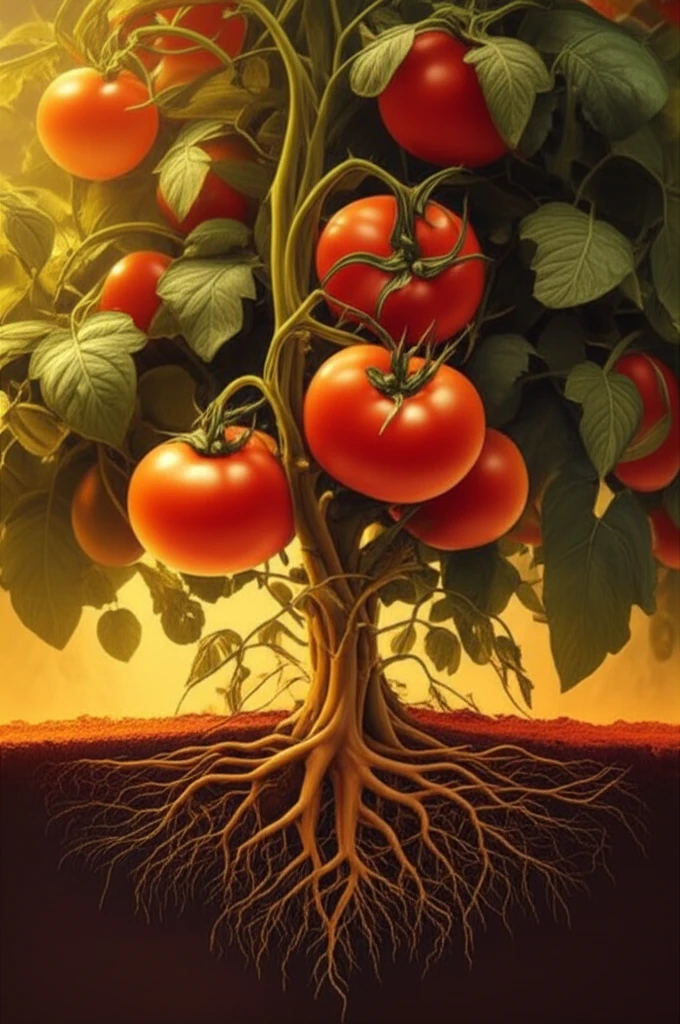
Unlock Bumper Tomato Harvests: How Potassium is the Secret Ingredient

"Maximize your tomato yield in any growing environment with the power of potassium – a comprehensive guide for hobbyists and professionals."
For tomato growers, achieving a high yield of quality fruits is the ultimate goal. However, various environmental factors, such as high temperatures and rainfall, can significantly limit tomato production, especially in off-season Spring-Summer crops. Protected cultivation systems, like greenhouses and hydroponics, offer a solution by providing controlled conditions that minimize these challenges.
But even with these advanced systems, optimizing nutrient levels is crucial for maximizing yield and quality. Among all the essential nutrients, potassium (K) plays a vital role in tomato growth, fruit development, and overall plant health. Adequate potassium fertilization can make the difference between a mediocre harvest and a bumper crop.
This article explores how potassium fertilization impacts tomato yield and quality in different growing environments: open fields, hydroponics, and fertigation systems. Drawing from a research study conducted in Brazil, we'll delve into practical strategies for optimizing potassium levels to unlock the full potential of your tomato plants, whether you're a hobbyist gardener or a commercial grower.
Why Potassium is the Unsung Hero of Tomato Growing
Potassium isn't just another nutrient; it's a key player in several essential processes that directly influence tomato yield and quality. Understanding these roles will help you appreciate why optimizing potassium levels is so important. Potassium's main responsibilities include:
- Photosynthesis: K supports the efficient conversion of sunlight into energy, fueling plant growth and fruit production.
- Photoassimilate Transport: K facilitates the movement of sugars and other essential compounds from the leaves to the fruits, ensuring proper development and sweetness.
- Disease Resistance: Adequate K strengthens the plant's defenses against diseases, reducing crop losses and the need for chemical treatments.
- Stomata Regulation: K helps regulate the opening and closing of stomata, which control gas exchange and water loss, optimizing plant function under varying environmental conditions.
The Future of Tomato Growing: Potassium as a Cornerstone
The findings of this study highlight the critical role of potassium in maximizing tomato yield and quality across different growing environments. By optimizing potassium fertilization strategies, growers can enhance plant health, increase fruit production, and improve the overall profitability of their operations.
Whether you're a seasoned farmer or a home gardening enthusiast, understanding the importance of potassium is essential for success. As climate change and other environmental challenges continue to impact agriculture, adopting best practices for nutrient management will become even more crucial for ensuring sustainable and productive tomato crops.
Embrace the power of potassium and unlock the full potential of your tomato plants. By paying close attention to potassium levels and tailoring your fertilization strategies to your specific growing environment, you can achieve bumper harvests and enjoy delicious, high-quality tomatoes all season long.