
Unforeseen Obstruction: How a Rare Condition Complicated Infant Duodenal Surgery

"Discover how surgeons navigated a heterotaxy syndrome case with a preduodenal portal vein, causing unexpected pulmonary venous obstruction during a routine procedure."
Heterotaxy syndrome (HS) is a rare congenital condition characterized by a broad spectrum of anatomical abnormalities, particularly affecting the heart and abdominal organs. These abnormalities can include pulmonary valve stenosis, interruption of the inferior vena cava, total anomalous pulmonary venous connection (TAPVC), and malformations such as asplenia and polysplenia. Intestinal malrotation and the presence of a preduodenal portal vein (PDPV) are also frequently observed in individuals with HS.
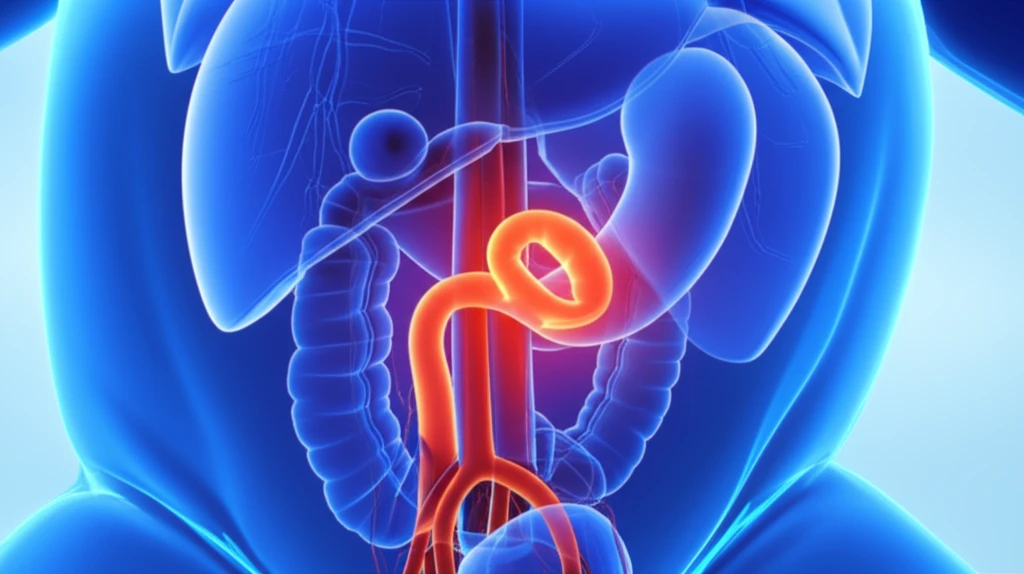
In cases where infracardiac TAPVC is present, a complex of pulmonary veins converges and drains into a vertical vein, which then connects to the systemic venous system below the diaphragm. The most common drainage site for this vertical vein is the portal vein. PDPV, another rare anomaly, occurs when the portal vein passes anterior to the duodenum instead of its usual posterior position. This condition is strongly associated with heterotaxy and situs inversus and may lead to duodenal obstruction.
A recent case highlights the complexities involved in managing HS. An infant with infracardiac TAPVC and PDPV experienced repeated episodes of hemodynamic instability during urgent surgery for duodenal obstruction. The surgical team's ability to identify and address the unexpected source of these complications underscores the importance of vigilance and comprehensive understanding of rare anatomical variations in HS patients.
The Case: Unexpected Twists During Duodenal Surgery
A 3-day-old boy, prenatally diagnosed with heterotaxy syndrome (HS), was scheduled for urgent laparotomy to address duodenal atresia. His condition included an interrupted inferior vena cava, a single right ventricle, pulmonary valve stenosis, and infracardiac TAPVC. Initial assessments suggested a relatively mild preoperative pulmonary venous obstruction (PVO), leading the team to proceed with the surgery.
- Initial Presentation: 3-day-old infant with HS, duodenal atresia, and infracardiac TAPVC.
- Surgical Finding: Intestinal malrotation with Ladd's bands.
- Complications: Repetitive severe hypotension and hypoxia during surgery.
- Key Discovery: A greatly dilated PDPV compressing the duodenum.
Clinical Implications and Recommendations
The case highlights the critical importance of considering PDPV in HS patients undergoing surgery for intestinal malrotation and duodenal obstruction, especially those with infracardiac TAPVC. Both pediatric surgeons and anesthesiologists must be aware of the potential for pulmonary venous drainage into the PDPV. Anticipating and recognizing this rare anatomical variation can help prevent catastrophic PVO during surgery.