
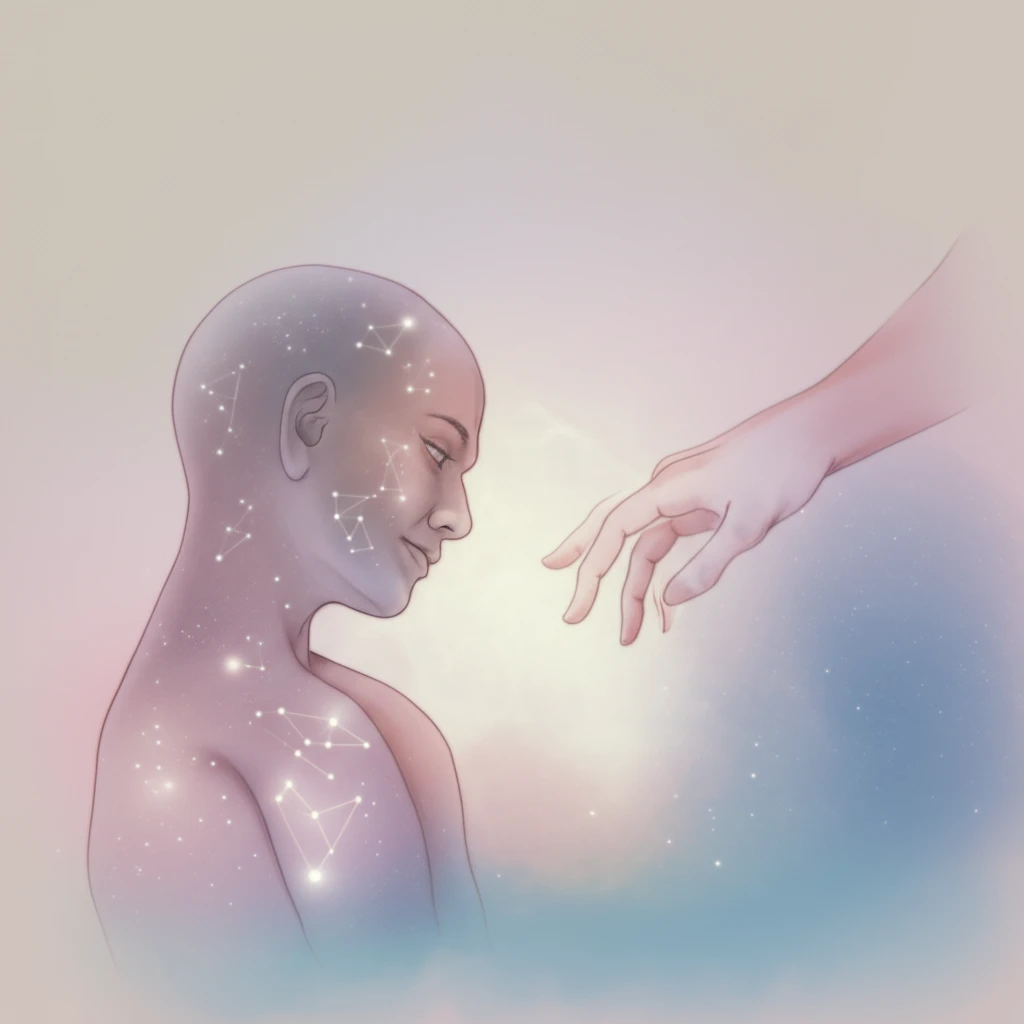
Unexplained Bruises? Decoding Gardner-Diamond Syndrome

"Understanding a rare condition where the body reacts to its own blood"
Imagine experiencing painful, recurring bruises without any apparent cause. This is the reality for individuals with Gardner-Diamond Syndrome (GDS), a rare and often perplexing condition. This article delves into GDS, exploring its characteristics, diagnosis, and management strategies.
A recent case study highlights the challenges in diagnosing GDS. A 39-year-old woman presented with recurrent, painful ecchymotic patches (bruises) on both legs for a year. Despite thorough investigation, doctors couldn't identify a cause through standard tests or medical history. This led to suspicion of Gardner-Diamond syndrome.
The key to diagnosing GDS lies in a specific test: the autoerythrocyte sensitization test. This test involves injecting a small amount of the patient's own red blood cells (erythrocytes) back into their skin. A positive reaction, indicated by inflammation or bruising at the injection site, suggests the individual is sensitized to their own blood components.
What is Gardner-Diamond Syndrome (GDS)?
Gardner-Diamond Syndrome, also known as autoerythrocyte sensitization syndrome, is a rare condition where individuals develop an immune reaction to their own red blood cells, specifically to a substance called phosphatidylserine found on the erythrocyte membrane. This immune reaction manifests as painful bruising, often appearing spontaneously or after minor trauma.
- Autoerythrocyte Sensitization: The body misidentifies its own red blood cells as foreign invaders.
- Phosphatidylserine: The immune system targets phosphatidylserine, a component of red blood cell membranes.
- Psychological Factors: Emotional stress and underlying psychiatric conditions are often associated with GDS.
Living with GDS: Management and Support
Currently, there's no specific cure for Gardner-Diamond Syndrome. Treatment focuses on managing the symptoms and addressing any underlying psychological factors. Addressing emotional well-being is critical in the management of GDS. Psychiatric consultation and therapy can help patients develop coping mechanisms for stress and emotional distress.
While there's no one-size-fits-all approach, a combination of medical and psychological support can significantly improve the quality of life for individuals with GDS. Connecting with support groups and other individuals with rare conditions can provide a sense of community and shared understanding.
Living with Gardner-Diamond Syndrome presents unique challenges, but with appropriate medical care, psychological support, and self-management strategies, individuals can lead fulfilling lives. Raising awareness about this rare condition is essential for improving diagnosis and providing timely support to those affected.