
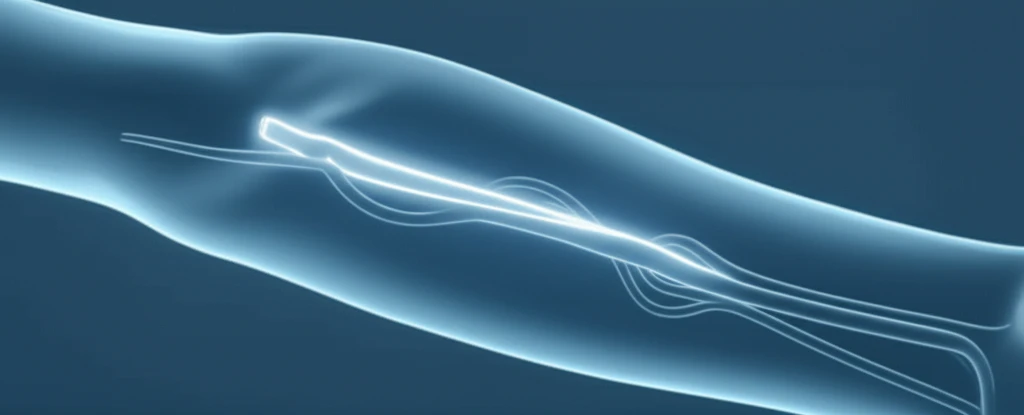
Ultrasound-Guided Angioplasty: A Game Changer for Hemodialysis Fistulas?

"Discover the benefits and limitations of using ultrasound to improve arteriovenous fistulas for hemodialysis patients."
For patients undergoing hemodialysis, a well-functioning arteriovenous fistula (AVF) is critical. This surgically created connection between an artery and a vein provides the necessary access for blood to be filtered. However, AVFs can develop stenoses (narrowing), hindering their effectiveness and requiring intervention.
Traditionally, percutaneous angioplasty, a procedure to widen the narrowed segment, is performed using X-rays and contrast dye to visualize the AVF. But what if there was a way to achieve the same results without radiation exposure and potential kidney damage from contrast dye? Enter ultrasound-guided angioplasty.
This article explores the use of ultrasound-guided angioplasty for arteriovenous fistulas, diving into its benefits, limitations, and overall impact on patient care. We'll examine the findings of a recent study that sheds light on this innovative approach.
The Promise of Ultrasound: How Does It Work?
Ultrasound-guided angioplasty offers several key advantages over the traditional X-ray method. By using ultrasound, doctors can:
- Avoid Contrast Agents and X-rays: Reducing the risk of kidney damage and allergic reactions.
- Optimize the Puncture Site: Ensuring accurate access to the AVF.
- Locate Stenoses with Precision: Guiding the angioplasty procedure effectively.
The Future of AVF Treatment: A Step Towards Personalized Care
Ultrasound-guided angioplasty represents a valuable alternative for treating AVF stenoses, offering a less invasive approach with excellent technical success. The ability to avoid radiation and contrast dye makes it particularly appealing for patients with kidney issues or contrast allergies.
While this study demonstrates the feasibility and effectiveness of ultrasound guidance, further research is needed to compare it directly with traditional angiographic methods. A controlled study would help clarify the true value of this technique and identify which patients would benefit most.
As technology advances and expertise grows, ultrasound-guided angioplasty has the potential to become a standard practice, improving the quality of life for hemodialysis patients by ensuring reliable and safe vascular access.