
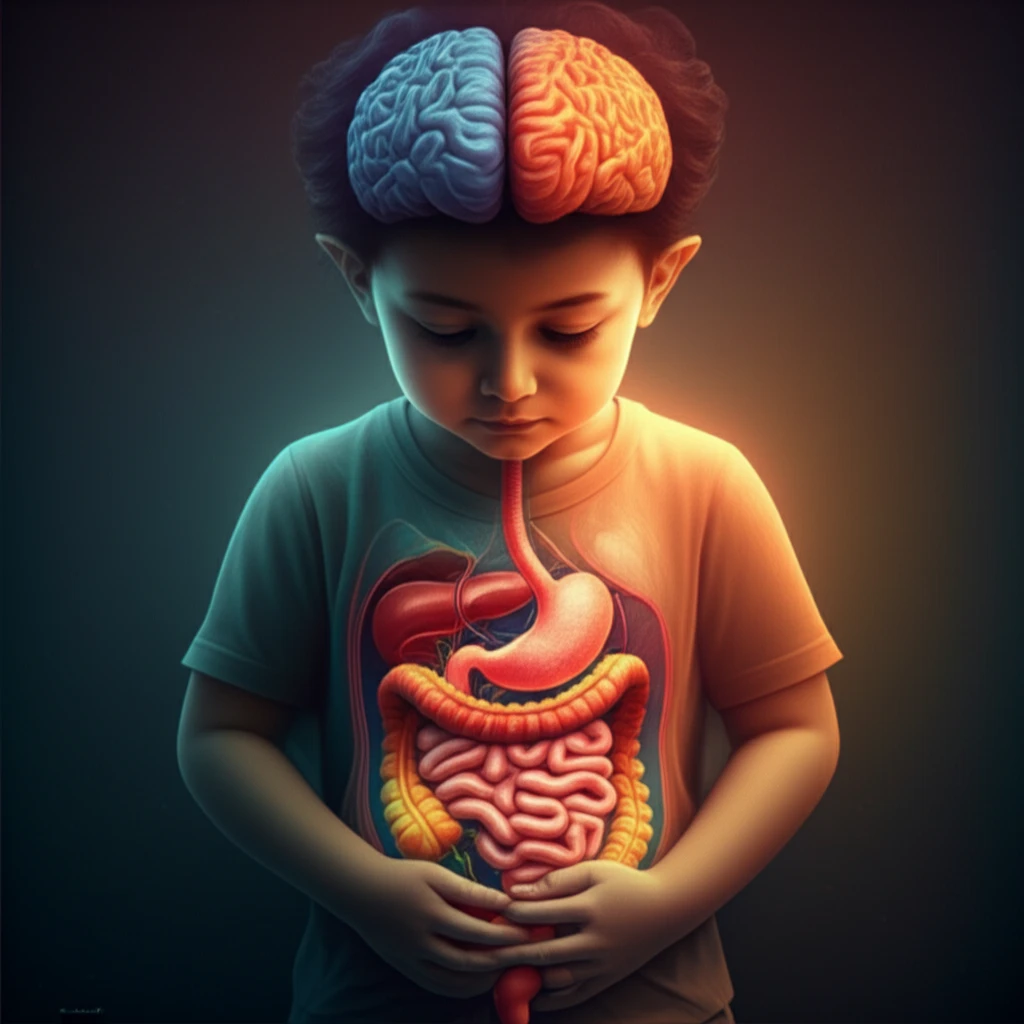
Tummy Troubles in Childhood: Unraveling the Mystery of Chronic Abdominal Pain

"From Hidden Causes to Holistic Healing: A Deep Dive into Childhood Abdominal Pain, Its Roots, and Remedies."
Childhood is often seen as a time of boundless energy, laughter, and exploration. But for many children, this idyllic picture is marred by a recurring, unwelcome guest: chronic abdominal pain. More than just a temporary discomfort, this persistent issue can significantly impact a child's life, affecting their daily activities, emotional well-being, and overall development. Understanding the nuances of this condition, from its origins to effective management strategies, is crucial for parents, caregivers, and healthcare professionals.
This article delves into the multifaceted nature of childhood chronic abdominal pain. We'll explore the various factors that contribute to this condition, including biological underpinnings, psychological influences, and social dynamics. Furthermore, we will examine the impact of this pain on children and their families, along with the different therapeutic approaches available to alleviate suffering and improve quality of life. Our aim is to provide a comprehensive overview, grounded in the latest research and insights.
Navigating the challenges of chronic abdominal pain in children requires a holistic approach. It's not just about addressing the physical symptoms; it's about understanding the child's emotional world, the family dynamics at play, and the various environmental factors that might be contributing to the problem. By gaining a deeper understanding of this complex issue, we can move towards more effective interventions and, ultimately, help children lead healthier and happier lives.
Decoding the Discomfort: Understanding the Causes of Chronic Abdominal Pain
Chronic abdominal pain in children isn't always straightforward. While some cases have a clear physical cause, such as infections or structural issues, many cases lack an identifiable organic origin. In these instances, the pain is often attributed to a complex interplay of factors, making accurate diagnosis and effective treatment more challenging. The causes can be broadly categorized into biological, psychological, and social influences, each playing a crucial role.
- Visceral hypersensitivity: Increased sensitivity to pain signals in the gut.
- Altered gut motility: Irregular movements of food through the digestive system.
- Inflammation: Chronic or low-grade inflammation in the gut lining.
- Genetics: Family history can increase the likelihood of developing the condition.
Charting a Path Forward: Managing and Treating Childhood Abdominal Pain
Childhood chronic abdominal pain can be a challenging issue, but it's far from insurmountable. A multifaceted approach, involving healthcare professionals, parents, and children, is often the most effective. This approach includes a variety of strategies, ranging from medical interventions to psychological therapies and lifestyle adjustments. With the right tools and support, children can learn to manage their pain, improve their well-being, and thrive.