
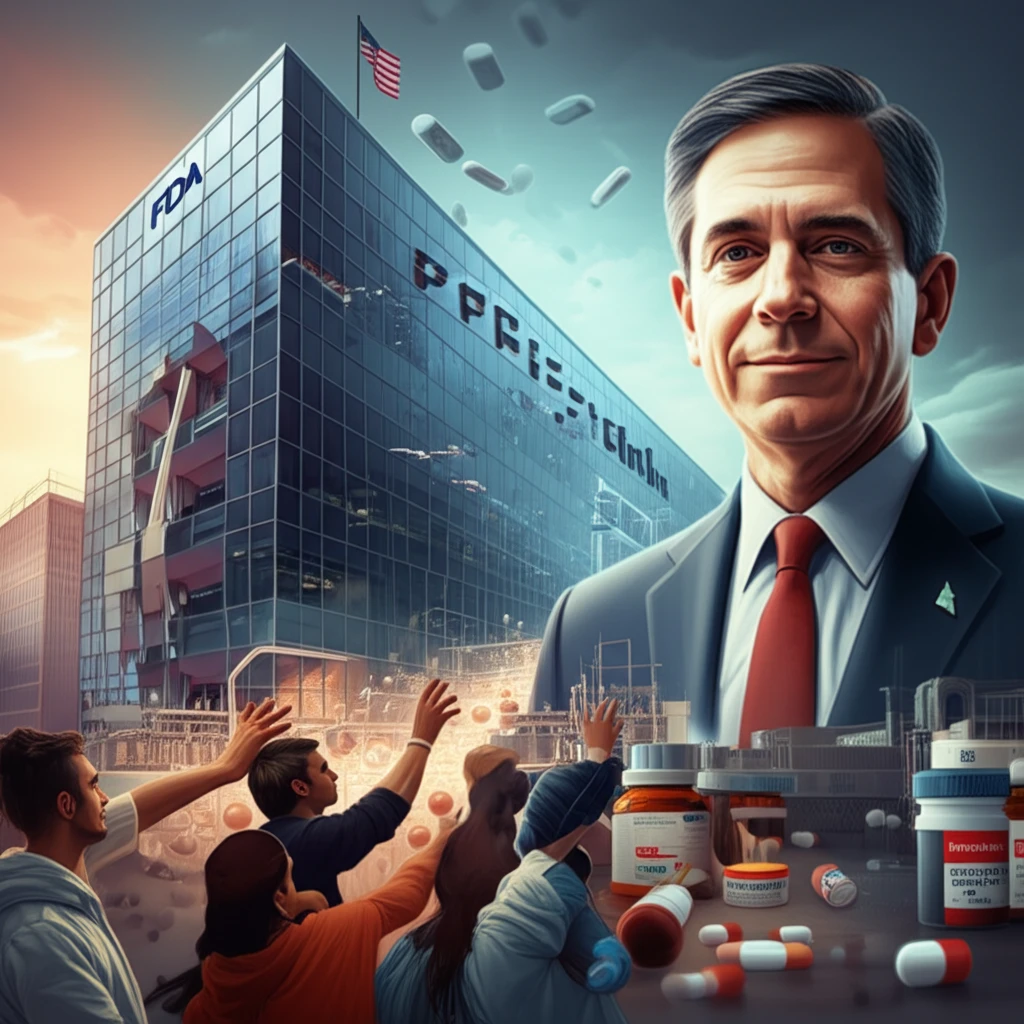
Trump's FDA Legacy: How Policy Shifts Impacted Pharma and the Future of Healthcare

"Examining the FDA's evolving role under the Trump administration, and its lasting effects on drug approvals, the pharmaceutical industry, and patient access to medicine."
The Food and Drug Administration (FDA), a pivotal agency in the U.S. healthcare system, underwent notable transformations during the Trump administration. These changes, driven by new leadership and policy shifts, had a ripple effect across the pharmaceutical industry and, ultimately, on the accessibility and affordability of medicines for American patients. From accelerating drug approvals to reevaluating regulatory standards, the FDA's activities during this period have sparked considerable debate and discussion.
One of the most significant appointments was Scott Gottlieb as FDA Commissioner. Gottlieb, a physician and a figure with deep industry connections, brought a new perspective to the agency, emphasizing the need to balance rigorous safety standards with the desire to expedite the approval process for new drugs. This approach, while praised by some for fostering innovation, also raised questions about potential conflicts of interest and the long-term implications for public health.
This article provides an in-depth analysis of these key policy decisions and their outcomes, exploring their influence on the pharmaceutical industry, from major corporations to generic drug manufacturers. Furthermore, it assesses the impact of these changes on patient access, drug costs, and the overall trajectory of healthcare in the United States, offering a comprehensive view of a transformative period in the FDA's history.
The Gottlieb Era: Fast-Tracking Drugs and Reshaping the FDA Landscape
Under Scott Gottlieb's leadership, the FDA took steps to accelerate the drug approval process. This included initiatives like the 21st Century Cures Act, aimed at streamlining the pathway for new medicines to reach the market. The agency also focused on implementing new guidelines and review processes to expedite the approval of generic drugs, with the goal of increasing competition and lowering drug prices. These actions were intended to foster innovation and ensure that patients had access to new and potentially life-saving treatments more quickly.
- Expedited Approval Pathways: Initiatives to fast-track the approval process for breakthrough therapies and drugs targeting unmet medical needs.
- Generic Drug Push: Efforts to increase the availability of generic drugs, aiming to drive down costs and increase competition.
- Biosimilar Development: Regulatory pathways to facilitate the development and approval of biosimilars, creating competition for expensive biologic drugs.
- Focus on Patient Access: Strategies to ensure that patients have timely access to new medications, including those for rare diseases.
Looking Ahead: The Enduring Impact of the Trump-Era FDA
The changes implemented during the Trump administration, particularly those under Commissioner Gottlieb, have left a lasting mark on the FDA and the pharmaceutical industry. The emphasis on expediting drug approvals, promoting generic competition, and modernizing regulatory processes has altered the landscape for drug development and patient care. As the healthcare industry continues to evolve, the legacy of these policy decisions will likely shape future discussions about drug safety, affordability, and the balance between innovation and regulation.