
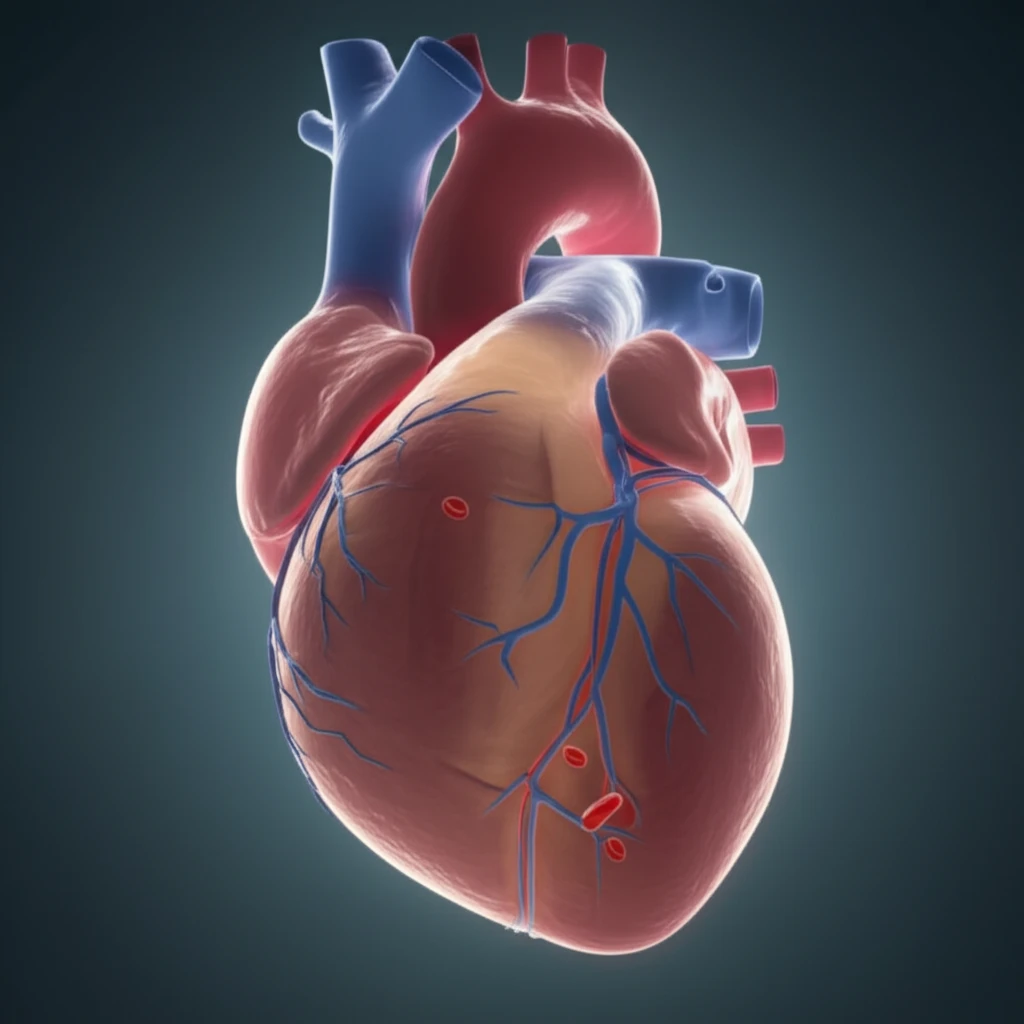
Illustration of a heart with microclots, symbolizing subclinical thrombotic events.

Troponin Release: Are Subclinical Clots the Culprit?

"Unraveling the mystery of troponin elevation in the absence of heart cell death and the potential role of micro-clots."


Elevated troponin levels are a red flag, often indicating heart damage. Doctors routinely check troponin levels when patients present with chest pain or other symptoms suggestive of a heart attack. However, sometimes, troponin levels rise even when there's no obvious damage to heart muscle cells, leaving doctors puzzled.

A recent study by Roos et al. highlighted this mystery, demonstrating that even slightly elevated troponin levels within the normal range are associated with increased cardiovascular risk. This raises a critical question: if the heart cells aren't dying, why is troponin being released?

One intriguing explanation gaining traction is the role of subclinical thrombotic events – tiny clots forming in the small vessels of the heart. These micro-clots might not cause a full-blown heart attack, but could they be enough to trigger troponin release?

The Micro-Clot Connection: How Tiny Blockages Can Cause Big Problems

Illustration of a heart with microclots, symbolizing subclinical thrombotic events.

The idea that small clots can lead to troponin release isn't entirely new. Researchers have observed that patients with higher levels of high-sensitivity troponin T (hs-TnT), even when their levels are considered within the normal range, often have increased coronary artery disease. This suggests that something is causing subtle damage, even without complete blockages.

Consider these key points regarding the potential impact of subclinical thrombotic events:

  • Micro-injury: Tiny clots can block small coronary vessels, leading to micro-injury and subsequent troponin release.
  • Plaque Erosion: Dislodgement of material from plaque erosion may cause localized thrombus formation.
  • Ischemia: Troponin can be released due to transient ischemia.
These findings suggest a potential domino effect: increased coronary atherosclerosis leads to the formation of small clots, which in turn cause the release of troponin. While the damage might not be extensive enough to cause noticeable symptoms, it's enough to trigger a warning signal that something isn't right.

What Does This Mean for Your Heart Health?

The growing understanding of subclinical thrombotic events highlights the importance of proactive heart health management. While more research is needed to fully understand the implications, the current evidence suggests that managing risk factors for atherosclerosis is crucial.

This includes maintaining a healthy lifestyle, managing cholesterol levels, controlling blood pressure, and avoiding smoking. By addressing these risk factors, you can reduce the likelihood of plaque formation and, consequently, the risk of subclinical thrombotic events.

Ultimately, further research into the mechanisms of troponin release and the role of micro-clots could lead to new diagnostic and therapeutic strategies for preventing cardiovascular events. Stay tuned as scientists continue to unravel the complexities of heart health.

About this Article -

This article was crafted using a human-AI hybrid and collaborative approach. AI assisted our team with initial drafting, research insights, identifying key questions, and image generation. Our human editors guided topic selection, defined the angle, structured the content, ensured factual accuracy and relevance, refined the tone, and conducted thorough editing to deliver helpful, high-quality information.See our About page for more information.

This article is based on research published under:

DOI-LINK: 10.1016/j.jacc.2017.11.073, Alternate LINK

Title: Subclinical Thrombotic Events As A Mechanism For Troponin Release?

Subject: Cardiology and Cardiovascular Medicine

Journal: Journal of the American College of Cardiology

Publisher: Elsevier BV

Authors: Eduard M. Laufer, Leonard Hofstra

Published: 2018-03-01

Everything You Need To Know

1

What is troponin, and why is it important?

Troponin is a protein released into the bloodstream when the heart muscle is damaged. It serves as a crucial biomarker for detecting heart damage, with elevated levels often indicating a heart attack or other cardiac issues. The significance of troponin lies in its ability to alert medical professionals to potential cardiac events, prompting further investigation and treatment. Elevated levels, even within the normal range, can indicate an increased risk of future cardiovascular problems.

2

What causes troponin to be elevated when there's no apparent heart cell death?

Elevated troponin levels, in the absence of apparent heart cell death, can be related to subclinical thrombotic events. These are tiny blood clots that form in the small vessels of the heart. While these micro-clots may not be significant enough to cause a full-blown heart attack, they can cause micro-injury. These tiny clots lead to micro-injury, plaque erosion, and transient ischemia, all of which trigger troponin release. This is significant because it indicates that even subtle damage can signal an increased risk of cardiovascular issues.

3

What are subclinical thrombotic events, and why are they significant?

Subclinical thrombotic events refer to the formation of small blood clots, or micro-clots, in the tiny blood vessels of the heart. These clots might not cause noticeable symptoms or a full heart attack. However, they can still cause localized damage, leading to the release of troponin. The implications of subclinical thrombotic events include the potential for subtle but continuous damage to the heart muscle, which increases the long-term risk of cardiovascular diseases. Moreover, these events can occur due to issues like plaque erosion or transient ischemia.

4

How do micro-clots lead to troponin release?

The link between micro-clots and troponin release involves a cascade of events. Tiny clots can block small coronary vessels, leading to micro-injury of the heart muscle. This injury, even if minor, can cause the heart cells to release troponin into the bloodstream. Researchers have also observed that plaque erosion can lead to local thrombus formation. The micro-injury and transient ischemia is enough to trigger the release of troponin. This process highlights that even small blockages can have significant implications for heart health.

5

Why is proactive heart health management important?

Managing heart health is vital because the formation of micro-clots and the subsequent troponin release are often linked to atherosclerosis and plaque erosion. This underscores the importance of controlling risk factors for atherosclerosis, like high cholesterol, high blood pressure, and smoking. The implications of managing risk factors are the ability to decrease the likelihood of clot formation. This helps to reduce the potential for troponin release and minimize the long-term risk of cardiovascular disease. This proactive approach is important for long term health.

Newsletter Subscribe

Subscribe to get the latest articles and insights directly in your inbox.