
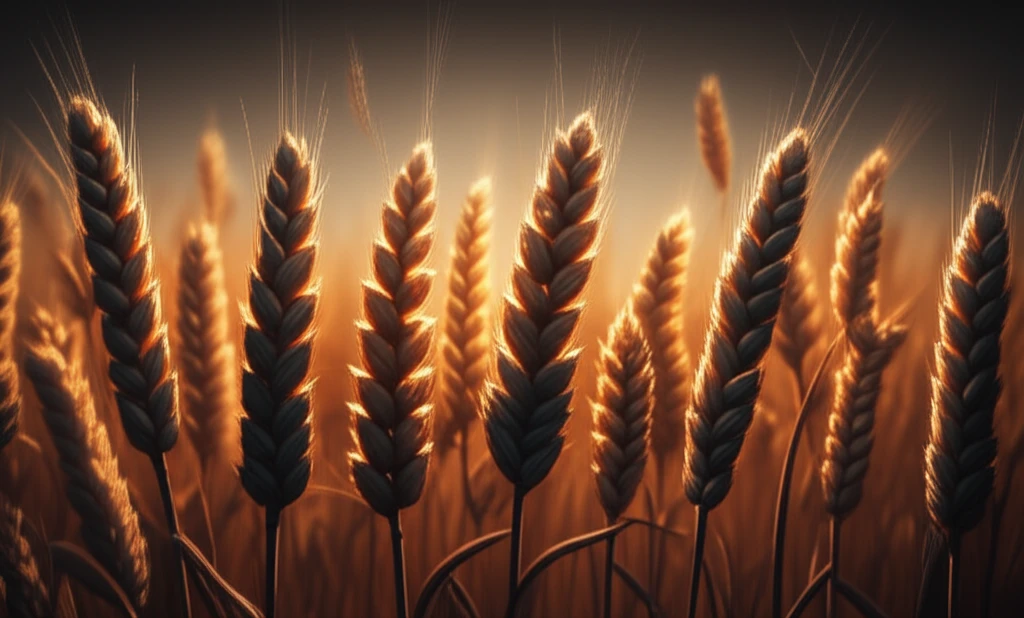
Triticale field, symbolizing health and nutritional benefits

Triticale: The Underappreciated Grain That Could Revolutionize Your Diet

"Unlock the nutritional powerhouse of triticale and discover how this hybrid grain stacks up against wheat in supporting gut health, weight management, and overall wellness."


In the quest for optimal nutrition, grains often find themselves under scrutiny. While wheat has long been a dietary staple, a lesser-known grain called triticale (pronounced trit-ih-KAY-lee) is emerging as a potential game-changer. This hybrid of wheat and rye combines the best traits of both parents, offering a unique nutritional profile that could benefit your health.

Triticale isn't exactly new; it was first developed in the late 19th century. However, it's only recently begun to gain traction as a viable crop and a nutritious food source. What makes triticale so special? It boasts a robust amino acid composition, offering more lysine—an essential amino acid often lacking in wheat—and greater overall protein usability. This makes it an attractive option for those looking to boost their protein intake, especially plant-based eaters.

But triticale's appeal extends beyond its protein content. Research suggests it may play a role in improving digestive health, supporting weight management, and providing a sustained release of energy. As we delve into the science behind this grain, you'll discover why triticale might just be the unsung hero of your next meal.

Triticale vs. Wheat: Why You Should Consider This Grain

Triticale field, symbolizing health and nutritional benefits

Wheat has long been the king of grains, forming the base of countless diets worldwide. However, triticale offers a compelling alternative with several advantages:

One of the key differences lies in the amino acid profile. Triticale generally contains more lysine, an essential amino acid that the body cannot produce on its own. Lysine is crucial for protein synthesis, hormone production, and immune function. A diet rich in lysine supports overall health and vitality.

  • Higher Protein Usability: Triticale's protein is often more digestible and usable by the body compared to wheat.
  • Enhanced Nutrient Profile: Triticale tends to offer a broader spectrum of vitamins and minerals.
  • Sustainable Qualities: Triticale is often able to grow in marginal areas where wheat may not thrive.
While wheat remains a versatile and readily available option, incorporating triticale into your diet can provide a nutritional upgrade. Whether you're seeking to increase your protein intake, improve your digestion, or simply diversify your grain sources, triticale offers a compelling and delicious alternative.

Ready to Try Triticale? Here’s How to Incorporate It Into Your Diet

Triticale's versatility makes it easy to add to your existing meals. You can find triticale flour, whole berries, and flakes in many health food stores and online retailers. Experiment with different forms to discover your favorite way to enjoy this nutritional powerhouse. With its robust nutritional profile and potential health benefits, triticale is more than just a grain—it's a valuable addition to a well-rounded diet.

About this Article -

This article was crafted using a human-AI hybrid and collaborative approach. AI assisted our team with initial drafting, research insights, identifying key questions, and image generation. Our human editors guided topic selection, defined the angle, structured the content, ensured factual accuracy and relevance, refined the tone, and conducted thorough editing to deliver helpful, high-quality information.See our About page for more information.

This article is based on research published under:

DOI-LINK: 10.2527/jas.2016.1238, Alternate LINK

Title: Variations In The Chemical Composition And Standardized Ileal Digestibility Of Amino Acids In Eight Genotypes Of Triticale Fed To Growing Pigs1,2

Subject: Genetics

Journal: Journal of Animal Science

Publisher: Oxford University Press (OUP)

Authors: E. J. P. Strang, M. Eklund, P. Rosenfelder, J. K. Htoo, R. Mosenthin

Published: 2017-04-01

Everything You Need To Know

1

What is triticale and how does it differ from wheat?

Triticale is a hybrid grain created by crossing wheat and rye. It distinguishes itself from wheat through a superior amino acid profile, notably with higher levels of lysine. This hybrid also often exhibits greater protein usability and a broader range of vitamins and minerals compared to wheat. Furthermore, triticale can thrive in environments where wheat may struggle, offering sustainable qualities that make it an attractive alternative.

2

How can triticale benefit my digestive health, and why is this important?

Research suggests that triticale can improve digestive health, though the specifics of how it achieves this aren't detailed in this text. However, improved digestion often leads to better nutrient absorption, reduced bloating, and overall gut wellness. Healthy digestion is crucial because it impacts the body's ability to extract nutrients from food, supporting immune function and overall health. Triticale's potential positive impact on digestion makes it a valuable component of a balanced diet.

3

Why is lysine in triticale important, and what role does it play in the body?

Lysine, an essential amino acid found in higher concentrations in triticale than in wheat, is crucial for several vital bodily functions. It is essential for protein synthesis, which is the process of building and repairing tissues. Additionally, lysine plays a role in hormone production and supports immune function. A sufficient intake of lysine, which triticale can provide, is therefore essential for maintaining overall health and vitality.

4

Besides protein, what other nutritional advantages does triticale offer over wheat?

Beyond its enhanced protein profile and higher lysine content, triticale also boasts a more comprehensive nutrient profile compared to wheat. It tends to offer a wider array of vitamins and minerals. These nutrients contribute to various bodily functions, further enhancing its role in a well-rounded diet. The specific vitamins and minerals aren't listed here, but the text highlights a generally superior nutritional content.

5

How can I start incorporating triticale into my diet, and where can I find it?

Triticale is available in various forms, including flour, whole berries, and flakes. You can find these at health food stores and online retailers. The versatility of triticale makes it easy to add to your existing meals. Experimenting with different forms will help you discover your favorite way to enjoy this grain, making it a simple yet effective addition to a healthy diet.

Newsletter Subscribe

Subscribe to get the latest articles and insights directly in your inbox.