
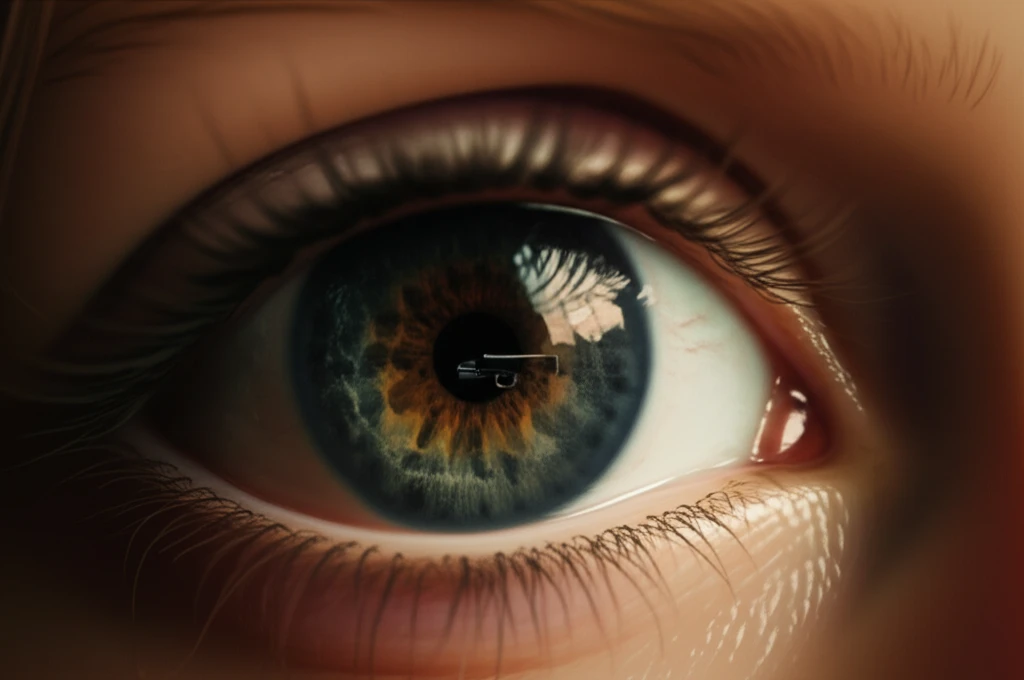
Child's eye reflecting a toy gun, symbolizing the risk of eye injuries.

Toy Gun Eye Injuries: Are Your Kids Protected?

"A new study reveals the serious risks of toy gun-related eye injuries and highlights the urgent need for better safety measures, especially for airsoft guns."


Toy guns, including airsoft guns and paintball markers, are a common source of fun for children and adults alike. However, these seemingly harmless toys can lead to severe eye injuries, with potentially long-lasting consequences. Airsoft guns, which closely resemble real firearms, shoot small plastic pellets at high speeds, posing a significant risk to the eyes. Paintball markers, while shooting larger balls filled with liquid, also carry a substantial risk of injury.

A recent study conducted at Helsinki University Eye Hospital investigated the epidemiology, clinical findings, treatment outcomes, and resource use associated with toy gun-related eye injuries. The study, which followed patients over several years, sheds light on the seriousness of these injuries and underscores the importance of preventative measures.

This article delves into the findings of the Helsinki ocular trauma study, exploring the types of injuries caused by toy guns, the long-term impact on vision, and practical steps parents and players can take to minimize the risk. We aim to provide a comprehensive overview of the dangers associated with toy guns and advocate for enhanced safety regulations and awareness.

Toy Gun Eye Injuries: What are the Risks?

Child's eye reflecting a toy gun, symbolizing the risk of eye injuries.

The Helsinki study revealed that toy guns caused 1% of all eye traumas treated at the hospital during the study period. A significant majority of the injured were male (93%), and children under 16 years old accounted for most cases. Airsoft guns were the most common culprit, responsible for 12 out of 15 injuries.

A staggering 73% of the injured patients were not wearing protective eyewear at the time of the accident, highlighting a critical gap in safety practices. Even among the few who did use protective eyewear, some discontinued use during the game, citing discomfort or issues with the equipment.

  • Blunt ocular trauma: The most common diagnosis, affecting 13 patients.
  • Corneal abrasion: Diagnosed in two patients.
  • Retinal findings: Observed in seven patients, indicating damage to the delicate tissue at the back of the eye.
Long-term follow-up revealed that over half of the patients had abnormal ocular findings, including artificial lens, iridodialysis, and retinal plomb. Many patients experienced permanent subjective impairment, such as pain, blurred vision, and difficulty focusing. These findings underscore the long-term morbidity associated with toy gun eye injuries.

Protecting Eyesight: How to Prevent Toy Gun Injuries

The Helsinki study underscores the serious nature of toy gun eye injuries and emphasizes the need for increased awareness and preventative measures. Proper use of toy guns and consistent use of protective eyewear are critical for both players and bystanders.

Based on the study's findings, it is recommend that regulations for airsoft guns be strengthened in Finland. This could involve classifying them under the Firearms Act to increase awareness of their potential hazards and ensure responsible handling.

Ultimately, the responsibility lies with parents, players, and manufacturers to prioritize safety and prevent these avoidable injuries. By promoting responsible play and advocating for better safety standards, we can help protect the eyesight of children and adults alike.

About this Article -

This article was crafted using a human-AI hybrid and collaborative approach. AI assisted our team with initial drafting, research insights, identifying key questions, and image generation. Our human editors guided topic selection, defined the angle, structured the content, ensured factual accuracy and relevance, refined the tone, and conducted thorough editing to deliver helpful, high-quality information.See our About page for more information.

This article is based on research published under:

DOI-LINK: 10.1111/aos.13948, Alternate LINK

Title: Toy Gun Eye Injuries – Eye Protection Needed Helsinki Ocular Trauma Study

Subject: Ophthalmology

Journal: Acta Ophthalmologica

Publisher: Wiley

Authors: Anna‐Kaisa Haavisto, Ahmad Sahraravand, Päivi Puska, Tiina Leivo

Published: 2018-11-02

Everything You Need To Know

1

What makes airsoft guns so dangerous in the context of eye injuries?

Airsoft guns are particularly risky due to their resemblance to real firearms and the high speed at which they shoot small plastic pellets. These pellets can cause severe eye injuries, including blunt ocular trauma, corneal abrasion, and retinal findings. The Helsinki study highlights that airsoft guns were the most common cause of injuries, underscoring their potential for significant harm to vision.

2

What was the main objective of the Helsinki study?

The Helsinki ocular trauma study investigated toy gun-related eye injuries. It examined the epidemiology, clinical findings, treatment outcomes, and resource use associated with these injuries. The study followed patients over several years to understand the seriousness and long-term impact of the injuries. The study found a significant proportion of eye injuries were caused by toy guns, particularly airsoft guns, highlighting the need for preventive measures. The study's data shows the types of injuries, the long-term impact on vision, and practical steps for prevention.

3

What were the key findings related to those injured by toy guns?

The Helsinki study found that a significant majority of injured individuals were male and under 16 years old. Also, 73% of the injured patients were not wearing protective eyewear. The study also observed that many patients experienced long-term visual impairment such as artificial lens, iridodialysis, and retinal plomb as well as subjective issues like blurred vision and difficulty focusing. These findings underscore the importance of using protective measures such as eyewear while playing with toy guns.

4

What types of eye injuries were most commonly reported in the Helsinki study?

Blunt ocular trauma was the most common diagnosis among patients with toy gun-related injuries, affecting 13 patients. This type of trauma indicates a direct impact to the eye, potentially causing internal damage. Other injuries included corneal abrasion, which is a scratch on the cornea, and retinal findings, which suggest damage to the retina, the light-sensitive tissue at the back of the eye. The Helsinki study highlights these injuries, showing the range of damage caused by toy guns.

5

What are the best ways to prevent eye injuries from toy guns?

To protect against toy gun-related eye injuries, the most important step is to consistently wear protective eyewear. The Helsinki study revealed a high percentage of injuries occurred because protective eyewear was not worn. Also, it's important to ensure that players and bystanders are aware of the risks and practice safe handling of toy guns, including following safety guidelines. Continuous use of protective eyewear should be the rule, not the exception, when playing with toy guns.

Newsletter Subscribe

Subscribe to get the latest articles and insights directly in your inbox.