
Total Knee Replacement Turned Scary: Spotting Fat Embolism Syndrome

"Learn about Fat Embolism Syndrome, its causes after orthopedic surgeries like total knee replacements, and how to recognize its signs early for prompt intervention."
Recovering from a total knee replacement can bring immense relief from chronic pain, restoring mobility and quality of life. For many, it’s a smooth journey. However, it's essential to be aware of potential complications that, while rare, can turn recovery into a challenging ordeal. One such complication is Fat Embolism Syndrome (FES), a condition that occurs when fat globules enter the bloodstream and cause a systemic inflammatory response. While often mild, FES can sometimes manifest as a severe, multi-organ dysfunction, requiring prompt recognition and intervention.
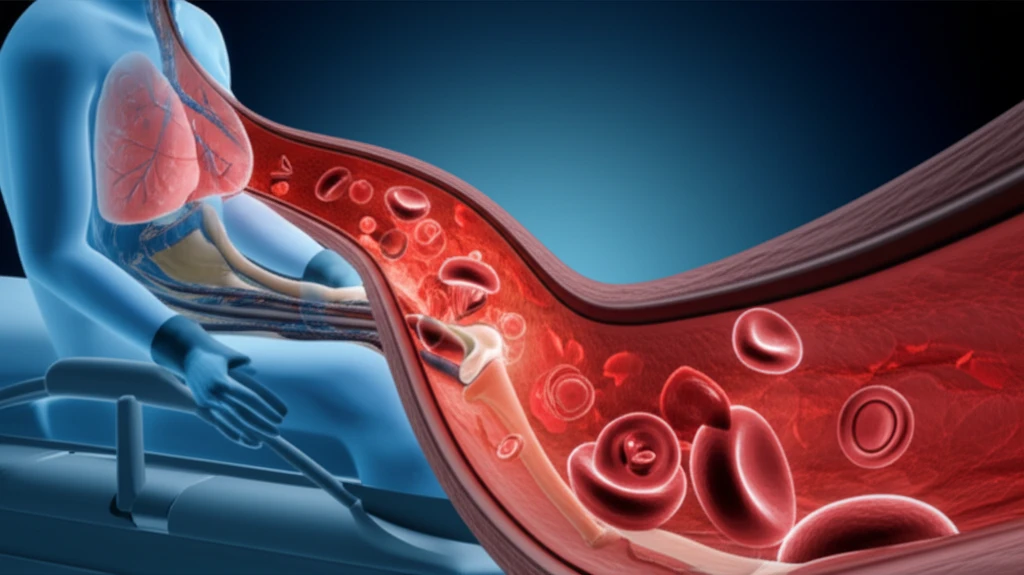
Fat embolism occurs when fat globules, released from the bone marrow during or after a long bone fracture or orthopedic surgery, make their way into the bloodstream. While minor fat embolisms are relatively common and often asymptomatic, a more severe form known as Fat Embolism Syndrome (FES) can develop. FES is characterized by a cascade of symptoms affecting multiple organ systems, most notably the lungs, brain, and skin. Recognizing the signs and symptoms of FES is critical for ensuring timely intervention and improving patient outcomes.
While the diagnosis of FES primarily relies on clinical evaluation, imaging techniques play a vital role in confirming the diagnosis and excluding other potential causes. A recent case study highlights the importance of recognizing FES following total knee replacement, emphasizing the characteristic findings observed on pulmonary computed tomography (CT) and brain magnetic resonance imaging (MRI). By understanding the underlying mechanisms, recognizing the clinical signs, and utilizing appropriate diagnostic tools, healthcare professionals can effectively manage FES and minimize its potential complications.
What is Fat Embolism Syndrome and Why Does It Happen After Knee Replacement?
Fat Embolism Syndrome (FES) is a complex condition that arises when fat globules are released into the bloodstream and travel to various organs, causing inflammation and dysfunction. Total knee replacement, like other orthopedic surgeries involving long bones, carries a risk of FES due to the disruption of bone marrow and the release of fat into the circulation.
- Mechanical Obstruction: Fat globules physically block small blood vessels in the lungs and brain, disrupting blood flow and oxygen delivery.
- Biochemical Injury: Free fatty acids, released from the breakdown of fat globules, trigger an inflammatory response, damaging the lining of blood vessels and causing further organ dysfunction.
Stay Informed and Advocate for Your Health
While Fat Embolism Syndrome is a rare complication, understanding its potential risks and recognizing its signs can empower you to take proactive steps in your healthcare journey. By staying informed, communicating openly with your healthcare team, and advocating for your well-being, you can contribute to a safer and more successful recovery after total knee replacement.