
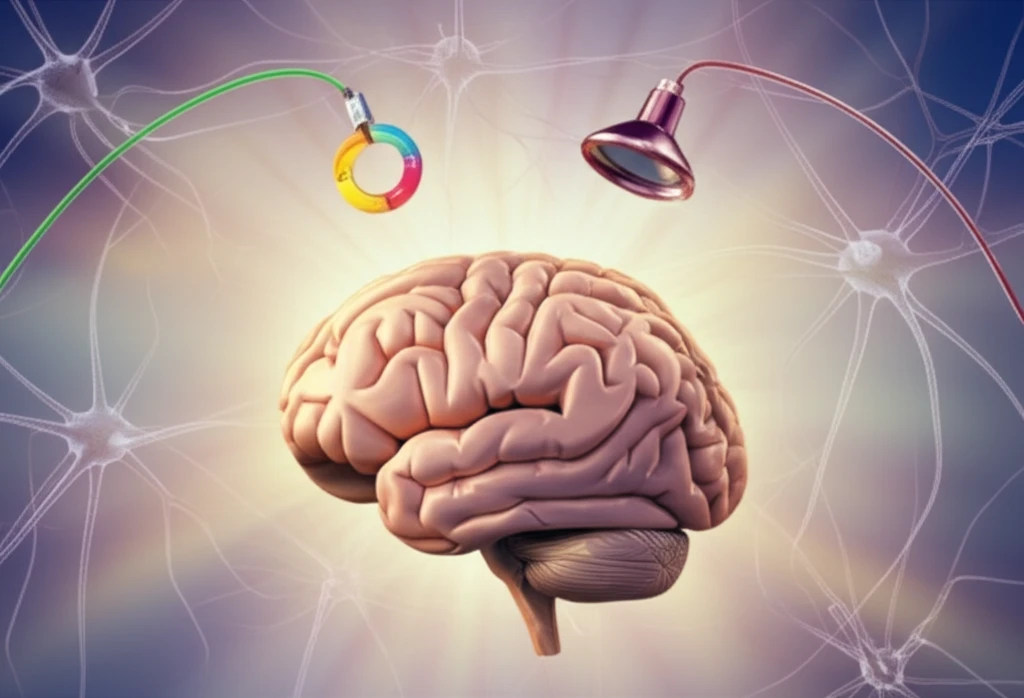
Illustration of a brain with two different TMS coils, representing new hope for depression treatment.

TMS for Depression: Could a Simple Coil Change Offer New Hope?

"Exploring the Impact of Different TMS Coil Designs on Treatment Outcomes for Refractory Depression"


In the relentless battle against depression, finding effective treatments is often a deeply personal journey. For many, the path leads to transcranial magnetic stimulation (TMS), a non-invasive procedure that uses magnetic fields to stimulate nerve cells in the brain. But what if the key to unlocking even greater success lies in a seemingly small detail – the design of the TMS coil itself? Recent research suggests this might be the case, opening up new avenues of hope for those who find traditional treatments less effective.

This article explores the nuances of TMS, specifically focusing on a comparison between two common coil designs: the figure-8 coil and the double-cone coil. We'll unpack the latest findings, the science behind these differences, and what they could mean for the future of depression treatment. Our goal is to provide you with clear, accessible information, empowering you to have informed conversations with your healthcare provider and to understand the potential benefits of different approaches.

This article focuses on a recent study, providing a clear, easy-to-understand overview of how different TMS coil designs can impact treatment for depression. We will explore the science behind the different coils and what these findings could mean for patients and their healthcare providers, always keeping the focus on helping the patient.

Figure-8 vs. Double-Cone Coils: What's the Difference, and Why Does It Matter?

Illustration of a brain with two different TMS coils, representing new hope for depression treatment.

At the heart of TMS lies the coil – the device placed against the scalp to generate magnetic pulses. The two main coil types, figure-8 and double-cone, differ significantly in their design and the way they interact with the brain. The figure-8 coil, known for its precision, targets a smaller, more focused area of the brain, making it ideal for specific applications. However, the double-cone coil, while less precise, can reach deeper brain structures and potentially stimulate a larger area.

A recent study has shed light on the motor threshold (MT) differences between these two coil types, using a method called repetitive transcranial magnetic stimulation (rTMS). The study measured the MT of each patient using both coil types, and then compared the results. The study found a significant difference in MTs between the two coil designs. Patients needed a higher intensity with the figure-8 coil to achieve the same effect as the double-cone coil. This difference suggests that the double-cone coil might be more efficient at stimulating the brain, particularly in deeper regions.

  • Motor Threshold (MT): The minimal intensity of stimulation needed to trigger a response (e.g., muscle movement).
  • Figure-8 Coil: Targets a smaller, more focused area; often requires higher intensity.
  • Double-Cone Coil: Stimulates a larger area; may reach deeper brain structures.
  • Study Findings: Double-cone coils may require a lower intensity than figure-8 coils to achieve the same effect.
  • Implications: These findings could influence treatment protocols and patient outcomes.
The research suggests that the choice of coil could influence not just the intensity of stimulation, but also the overall patient experience. For patients, the difference in MT could mean that the double-cone coil may cause less scalp pain. These are important factors to consider when tailoring TMS treatment plans to the individual needs of each patient, especially since patient comfort and adherence play a significant role in treatment success.

Looking Ahead: The Future of TMS and Depression Treatment

The findings comparing figure-8 and double-cone coils are a promising step toward personalized TMS treatment. While more research is needed to confirm these findings and explore their long-term impact, the study underscores the importance of considering every aspect of treatment. As research continues, we can expect to see even more refined approaches to TMS, helping more individuals find relief from the burden of depression. If you are considering TMS, discuss these findings with your doctor. The future of depression treatment is not one-size-fits-all – it’s about finding the right fit for you.

About this Article -

This article was crafted using a human-AI hybrid and collaborative approach. AI assisted our team with initial drafting, research insights, identifying key questions, and image generation. Our human editors guided topic selection, defined the angle, structured the content, ensured factual accuracy and relevance, refined the tone, and conducted thorough editing to deliver helpful, high-quality information.See our About page for more information.

This article is based on research published under:

DOI-LINK: 10.1016/j.ejpsy.2018.06.001, Alternate LINK

Title: Significant Differences In Motor Threshold Between Figure-8 And Double-Cone Coils For Repetitive Transcranial Magnetic Stimulation In Patients With Refractory Depression

Subject: Psychiatry and Mental health

Journal: The European Journal of Psychiatry

Publisher: Elsevier BV

Authors: Jean-Philippe Miron, Véronique Desbeaumes Jodoin, Léane Montplaisir, Paul Lespérance

Published: 2018-10-01

Everything You Need To Know

1

What is Transcranial Magnetic Stimulation (TMS), and how does it help with depression?

Transcranial Magnetic Stimulation, or TMS, is a non-invasive procedure that uses magnetic fields to stimulate nerve cells in the brain. It is employed as a treatment for depression, particularly when other treatments have proven less effective. The process involves placing a coil against the scalp to generate magnetic pulses, which in turn stimulate specific areas of the brain associated with mood regulation. While TMS is generally considered safe, it's essential to discuss potential side effects and its suitability with a healthcare provider. TMS differs from electroconvulsive therapy (ECT) in that it does not induce seizures and typically has fewer cognitive side effects. However, the long-term efficacy and durability of TMS effects are still areas of ongoing research.

2

What are the key differences between figure-8 coils and double-cone coils used in TMS, and why might the choice of coil matter for treating depression?

The primary difference lies in the design and how each coil interacts with the brain. The figure-8 coil delivers a more focused and precise stimulation to a smaller area of the brain, making it ideal for targeting specific cortical regions. Conversely, the double-cone coil stimulates a larger area and can reach deeper brain structures. The choice of coil matters because the motor threshold, or the intensity of stimulation needed to trigger a response, can vary significantly. Research indicates that double-cone coils may require lower intensity to achieve the same effect as figure-8 coils. This difference could influence patient comfort, potentially reducing scalp pain and improving adherence to the treatment plan. The selection of the most appropriate coil configuration requires a careful understanding of the patient's neurophysiological profile and the specific circuits that the clinician intends to modulate.

3

What is the 'motor threshold' (MT) in the context of TMS, and why is it important when comparing different TMS coils?

The motor threshold, or MT, is the minimal intensity of stimulation required to trigger a motor response, such as a muscle movement. It's crucial when comparing figure-8 coils and double-cone coils because it indicates how efficiently each coil stimulates the brain. Studies have shown that there are significant differences in MTs between coil designs; the double-cone coil often requires a lower intensity than the figure-8 coil to achieve the same effect. This can influence treatment protocols, patient comfort, and overall outcomes. Accounting for individual variations in motor threshold is vital to personalize TMS parameters. This can optimize the therapeutic impact and mitigate potential adverse effects. Further research is needed to determine whether the magnitude of MT influences the clinical response to TMS.

4

How could the use of double-cone coils in TMS potentially impact a patient's experience during depression treatment?

The use of double-cone coils in TMS could enhance a patient's experience due to the potential need for lower stimulation intensity compared to figure-8 coils. Since double-cone coils may require a lower motor threshold, patients might experience less scalp pain or discomfort during treatment sessions. Patient comfort and adherence are critical for successful TMS therapy, and reducing discomfort can improve the likelihood of patients completing the prescribed treatment course. However, it's also important to consider that while double-cone coils stimulate a larger area, this broader stimulation might lead to different or less predictable effects, requiring careful monitoring and adjustment of treatment parameters. Furthermore, the cognitive and emotional impact of stimulating deeper brain structures with double-cone coils is still under investigation.

5

What future research is needed to better understand the impact of TMS coil design on depression treatment, and what are the potential implications for patients?

Future research should focus on long-term studies comparing the efficacy and durability of treatment outcomes using figure-8 and double-cone coils. It is crucial to confirm initial findings and explore the effects of different coil designs on various patient populations and depression subtypes. Studies should also investigate the optimal stimulation parameters, such as frequency and intensity, for each coil type. Further research should incorporate neuroimaging techniques to visualize and quantify the neural effects of each coil design. This includes identifying the specific brain regions and networks engaged during TMS. The implications for patients are significant, as this research could lead to more personalized and effective TMS protocols, improving remission rates, reducing side effects, and ultimately enhancing the quality of life for individuals struggling with depression.

Newsletter Subscribe

Subscribe to get the latest articles and insights directly in your inbox.