
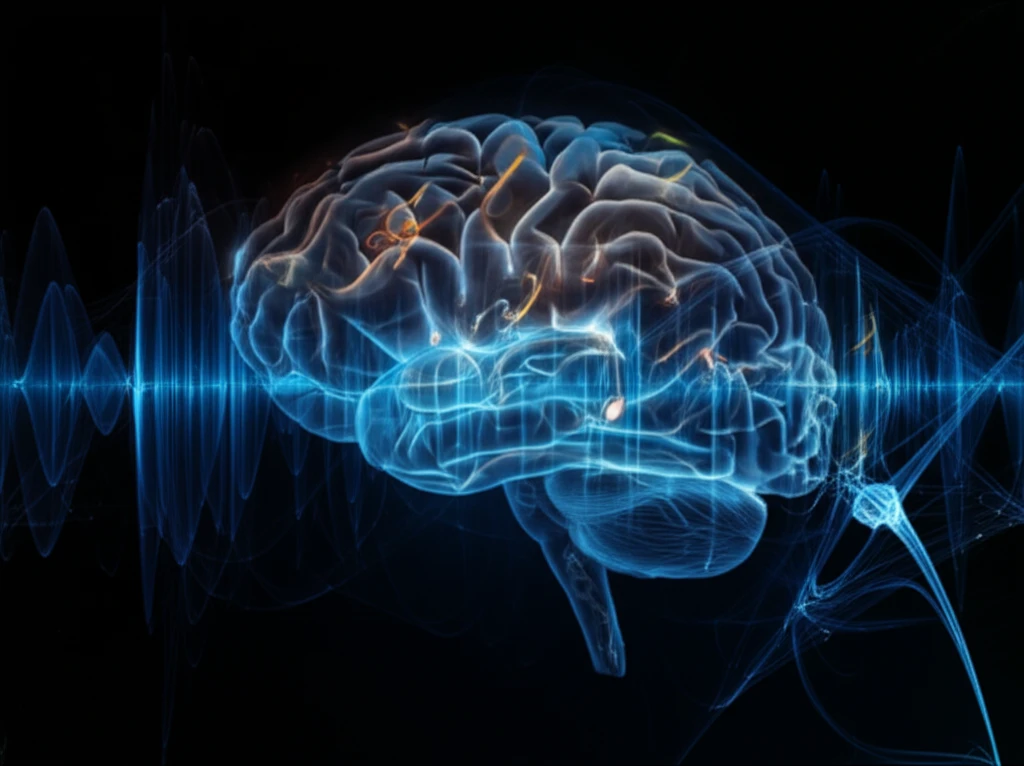
A digital illustration showing a brain with neural pathways. Sound waves and musical notes gently interact with the brain's surface, symbolizing neuroplasticity and tinnitus relief.

Tinnitus Troubles? Discovering the Power of Neuroplasticity to Find Relief

"Unlocking Your Brain's Potential: How Neuroplasticity is Revolutionizing Tinnitus Treatment"


Tinnitus, often described as a persistent ringing, buzzing, or hissing in the ears, affects millions worldwide. This condition can significantly impact quality of life, leading to sleep disturbances, anxiety, and difficulty concentrating. While there's no one-size-fits-all cure, recent advances in understanding the brain's plasticity have opened new avenues for managing and, in some cases, reducing tinnitus symptoms.

The concept of neuroplasticity, the brain's remarkable ability to reorganize itself by forming new neural connections throughout life, is at the heart of these advancements. This means that even with chronic conditions like tinnitus, the brain can adapt and potentially mitigate the bothersome sounds. This article delves into how neuroplasticity-focused therapies are changing the landscape of tinnitus treatment.

We will explore how treatments that harness the brain's plasticity can help retrain the auditory system and reduce the perception of tinnitus. We'll also examine lifestyle adjustments that can be integrated into a comprehensive approach to managing tinnitus and improving overall well-being. It's time to explore the potential of neuroplasticity and its role in tinnitus management.

Understanding Tinnitus: What's Happening in Your Brain?

A digital illustration showing a brain with neural pathways. Sound waves and musical notes gently interact with the brain's surface, symbolizing neuroplasticity and tinnitus relief.

Tinnitus isn't just a problem of the ears; it's often linked to changes in the way the brain processes sound. These changes can occur due to various factors, including hearing loss, exposure to loud noises, head injuries, or certain medical conditions. When the auditory system is damaged or compromised, the brain may compensate by creating the phantom sounds we recognize as tinnitus.

The brain's auditory pathways can become overly sensitive and generate these persistent sounds. Neuroplasticity plays a critical role here because it is the brain's capacity to adapt and rewire itself. Therapies that focus on neuroplasticity aim to help the brain relearn and re-process sound, effectively reducing the prominence of tinnitus.

  • Hearing Loss: Often a primary cause, as the brain tries to compensate for the lack of auditory input.
  • Loud Noise Exposure: Damages hair cells in the inner ear, triggering tinnitus.
  • Head Injuries: Can disrupt the auditory pathways.
  • Medical Conditions: Such as Meniere's disease or temporomandibular joint (TMJ) disorders, can also lead to tinnitus.
By understanding these underlying mechanisms, individuals can better appreciate how neuroplasticity-based treatments are designed to target the root causes of tinnitus, offering hope for long-term relief and improved quality of life.

Embracing a Future of Hope and Relief

The journey with tinnitus can be challenging, but the advancements in neuroplasticity offer a promising path toward relief. By combining innovative therapies, lifestyle adjustments, and a supportive network, individuals can gain control over their tinnitus symptoms and improve their overall quality of life. The future of tinnitus management is bright, and with ongoing research and advancements, more effective solutions are on the horizon. Embrace the potential of neuroplasticity and take the first steps towards a life with less ringing and more peace.

About this Article -

This article was crafted using a human-AI hybrid and collaborative approach. AI assisted our team with initial drafting, research insights, identifying key questions, and image generation. Our human editors guided topic selection, defined the angle, structured the content, ensured factual accuracy and relevance, refined the tone, and conducted thorough editing to deliver helpful, high-quality information.See our About page for more information.

Everything You Need To Know

1

What exactly is neuroplasticity, and how does it relate to tinnitus?

Neuroplasticity is the brain's ability to reorganize itself by forming new neural connections throughout life. In the context of tinnitus, this means the brain can adapt and potentially mitigate the phantom sounds associated with the condition. Therapies focused on neuroplasticity aim to help the brain relearn and re-process sound, effectively reducing the prominence of tinnitus. This involves retraining the auditory system, helping it to compensate for changes caused by factors like hearing loss or noise exposure. While neuroplasticity offers hope, it's important to note that it's not a cure-all, and its effectiveness can vary depending on individual circumstances and the specific therapies employed.

2

What are some of the primary causes of tinnitus, and how do they affect the brain?

Tinnitus is often linked to changes in how the brain processes sound, rather than being solely a problem of the ears. Primary causes include hearing loss, exposure to loud noises, head injuries, and certain medical conditions like Meniere's disease or temporomandibular joint (TMJ) disorders. Hearing loss can cause the brain to compensate for the lack of auditory input, while loud noise exposure can damage hair cells in the inner ear, triggering tinnitus. Head injuries can disrupt the auditory pathways. These factors can lead the brain's auditory pathways to become overly sensitive, generating the persistent phantom sounds we recognize as tinnitus. Understanding these causes is crucial for targeting treatments effectively.

3

How can lifestyle adjustments complement neuroplasticity-focused therapies in managing tinnitus?

Lifestyle adjustments play a significant role in managing tinnitus alongside neuroplasticity-focused therapies. While specific adjustments aren't detailed, they generally include strategies to reduce stress, improve sleep, and protect hearing. Reducing exposure to loud noises, managing stress through relaxation techniques, and ensuring adequate sleep can positively influence the brain's ability to adapt and reduce the perception of tinnitus. Lifestyle adjustments, combined with neuroplasticity-based treatments, offer a comprehensive approach to managing tinnitus and improving overall well-being. A combination of therapies and lifestyle changes provide the best approach.

4

Are there specific types of therapies that harness neuroplasticity to treat tinnitus, and how do they work to retrain the auditory system?

The treatments leverage neuroplasticity to retrain the auditory system and reduce the perception of tinnitus. These therapies aim to help the brain relearn and re-process sound, effectively reducing the prominence of tinnitus. These therapies likely involve techniques that stimulate the auditory cortex and encourage the formation of new neural connections that can dampen or inhibit the phantom sounds. While specific examples of these therapies aren't detailed here, they represent a promising avenue for long-term relief by directly targeting the brain's response to tinnitus.

5

Given that tinnitus is linked to changes in the brain, what implications does this have for future research and treatment approaches?

The understanding that tinnitus is linked to changes in the brain, particularly through neuroplasticity, has significant implications for future research and treatment approaches. It suggests that treatments targeting the brain's auditory pathways and its ability to adapt are more likely to be effective. Future research may focus on developing more refined therapies that specifically promote beneficial neuroplasticity, while inhibiting maladaptive changes that contribute to tinnitus. This could lead to personalized treatment plans tailored to individual brain characteristics and responses. As understanding of neuroplasticity deepens, the development of novel interventions that harness the brain's inherent capacity for change will become more promising.

Newsletter Subscribe

Subscribe to get the latest articles and insights directly in your inbox.