
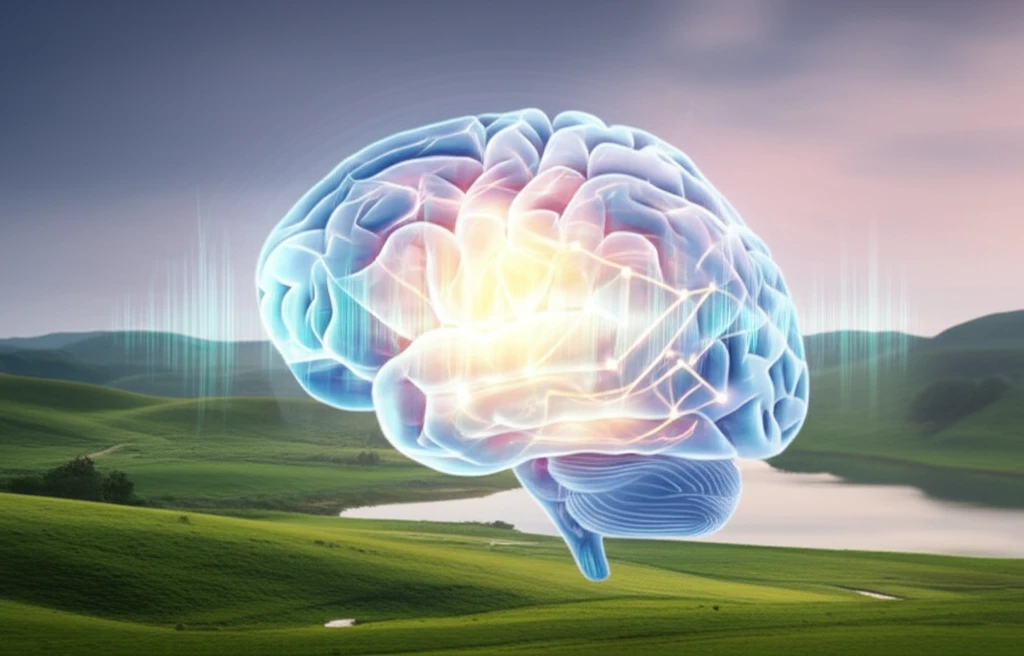
Brain with glowing neural pathways, representing neuroplasticity and tinnitus relief

Tinnitus Breakthrough: How Neuroplasticity Offers New Hope for Relief

"Emerging therapies leverage the brain's ability to adapt, paving the way for personalized tinnitus treatments."


For many, tinnitus is more than just a ringing in the ears; it's a persistent, often debilitating condition that significantly impacts quality of life. Traditional treatments have often fallen short, leaving sufferers searching for effective relief.

But now, exciting advancements in neuroscience are offering a fresh perspective on how to manage and potentially alleviate chronic tinnitus. The key lies in understanding neuroplasticity—the brain's remarkable ability to reorganize itself by forming new neural connections throughout life.

This article delves into the groundbreaking research on neuroplasticity and tinnitus, exploring how innovative therapies are harnessing the brain's adaptability to provide lasting relief. We'll examine the latest approaches, offering practical insights and hope for those seeking a way to quiet the noise.

Understanding Neuroplasticity: The Key to Tinnitus Relief

Brain with glowing neural pathways, representing neuroplasticity and tinnitus relief

Neuroplasticity refers to the brain's ability to modify its structure and function in response to experience or injury. This dynamic process allows the brain to compensate for damage, adapt to new situations, and learn new skills. In the context of tinnitus, neuroplasticity plays a crucial role in how the brain processes and perceives sound.

Research suggests that chronic tinnitus can arise from maladaptive neuroplastic changes in the auditory cortex, the part of the brain responsible for processing sound. When the auditory system is damaged, such as through noise exposure or age-related hearing loss, the brain may try to compensate by increasing neural activity in the affected area. This can lead to the perception of phantom sounds, or tinnitus.

  • Cognitive Behavioral Therapy (CBT): Helps patients change negative thought patterns and behaviors associated with tinnitus, reducing distress and improving coping mechanisms.
  • Neurofeedback: A technique that trains individuals to regulate their brain activity, potentially reducing the neural hyperactivity associated with tinnitus.
  • Frequency-Adapted Music Therapy: Involves listening to customized music designed to target specific frequencies related to the individual's tinnitus, aiming to retrain the auditory system.
  • Retraining Methods: Techniques such as Tinnitus Retraining Therapy (TRT) combine sound therapy with counseling to habituate patients to their tinnitus, reducing its perceived loudness and annoyance.
  • Physical Activity: Regular exercise can improve blood flow to the brain and reduce stress, both of which can positively impact tinnitus symptoms.
These therapies share a common goal: to encourage the brain to reorganize itself in a way that reduces the perception and impact of tinnitus. By targeting the maladaptive neuroplastic changes underlying the condition, these approaches offer the potential for long-term relief.

The Future of Tinnitus Treatment: Personalized Approaches

As research into neuroplasticity continues to advance, the future of tinnitus treatment looks promising. Personalized therapies that target the specific neural mechanisms underlying an individual's tinnitus are becoming increasingly feasible. By combining a deeper understanding of the brain with innovative therapeutic techniques, we can offer new hope for lasting relief from this challenging condition.

About this Article -

This article was crafted using a human-AI hybrid and collaborative approach. AI assisted our team with initial drafting, research insights, identifying key questions, and image generation. Our human editors guided topic selection, defined the angle, structured the content, ensured factual accuracy and relevance, refined the tone, and conducted thorough editing to deliver helpful, high-quality information.See our About page for more information.

Everything You Need To Know

1

What is neuroplasticity, and how does it relate to tinnitus?

Neuroplasticity is the brain's ability to change and adapt by forming new neural connections throughout life. In the context of tinnitus, neuroplasticity is crucial because chronic tinnitus can result from maladaptive changes within the auditory cortex. When the auditory system is damaged, the brain may increase neural activity, leading to the perception of phantom sounds or tinnitus. Understanding neuroplasticity offers a new perspective on managing and potentially alleviating tinnitus, since therapies can target these maladaptive changes.

2

How does Cognitive Behavioral Therapy (CBT) help with tinnitus?

Cognitive Behavioral Therapy (CBT) is a therapeutic approach that helps patients modify negative thought patterns and behaviors associated with tinnitus. It aims to reduce the distress and improve coping mechanisms related to the condition. By addressing the psychological impact of tinnitus, CBT assists individuals in managing their reactions to the perceived sounds and improving their overall quality of life.

3

What are some innovative therapies that use neuroplasticity to treat tinnitus?

Several innovative therapies leverage neuroplasticity for tinnitus treatment. These include Cognitive Behavioral Therapy (CBT) to address psychological aspects, Neurofeedback to regulate brain activity, Frequency-Adapted Music Therapy to retrain the auditory system, Retraining Methods like Tinnitus Retraining Therapy (TRT) which combines sound therapy and counseling for habituation, and Physical Activity to improve blood flow and reduce stress. These therapies target the brain's ability to reorganize itself, aiming to reduce the impact of tinnitus.

4

Can you explain how Frequency-Adapted Music Therapy helps with tinnitus?

Frequency-Adapted Music Therapy involves listening to customized music specifically designed to target the specific frequencies related to an individual's tinnitus. The goal is to retrain the auditory system and reduce the perception of tinnitus. By exposing the brain to tailored sound patterns, this therapy aims to help the brain adapt and reduce the neural hyperactivity associated with tinnitus, thereby alleviating symptoms.

5

What does the future of tinnitus treatment look like, and how is neuroplasticity involved?

The future of tinnitus treatment appears promising, with a focus on personalized approaches. As research into neuroplasticity advances, therapies that target the specific neural mechanisms underlying an individual's tinnitus are becoming more feasible. These personalized treatments will combine a deeper understanding of the brain with innovative techniques, potentially offering lasting relief from this challenging condition. The core of these advancements lies in harnessing the brain's neuroplasticity to adapt and reduce the impact of tinnitus.

Newsletter Subscribe

Subscribe to get the latest articles and insights directly in your inbox.