
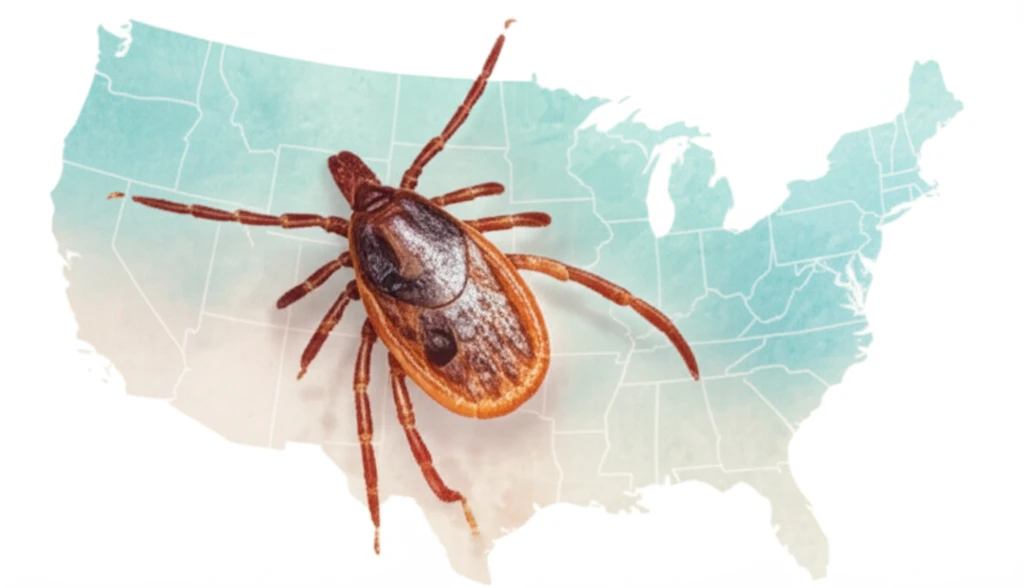
Tick-Borne Diseases: Are You at Risk? Understanding Ehrlichia ewingii and Its Expanding Reach

"New research reveals a higher prevalence of Ehrlichia ewingii infections, challenging previous assumptions about its geographic distribution and potential dangers."
Ehrlichiosis, a bacterial infection transmitted through tick bites, is a growing concern in the United States. While Ehrlichia chaffeensis has been recognized as the primary culprit, recent studies highlight the increasing presence and wider distribution of another species: Ehrlichia ewingii. This lesser-known bacterium is now appearing in regions where it was previously considered rare, prompting a reassessment of its potential impact on public health.
A recent study published in Emerging Infectious Diseases sheds light on this evolving situation. Researchers retrospectively analyzed data from an 18-month study of ehrlichiosis cases across the country. Their findings revealed that Ehrlichia ewingii was present in a significant percentage of cases, surpassing previous estimates. Even more surprising, the infection was identified in patients from New Jersey and Indiana, states not traditionally associated with this particular disease.
This discovery raises important questions about the true prevalence of Ehrlichia ewingii infections in the U.S. and underscores the need for greater awareness among healthcare providers and the public. Understanding the symptoms, risk factors, and diagnostic challenges associated with this emerging threat is crucial for timely diagnosis and effective treatment.
What is Ehrlichia ewingii and Why Should You Care?
Ehrlichia ewingii is a type of bacteria that lives inside the cells of its host. It's primarily spread through the bite of the lone star tick (Amblyomma americanum), a common species found throughout the eastern and southeastern United States. The bacteria infect white blood cells, leading to a range of symptoms that can often be mistaken for other illnesses.
- Fever: Often the first and most common symptom.
- Headache: Can range from mild to severe.
- Muscle Aches (Myalgia): Pain and stiffness in muscles.
- Malaise: A general feeling of discomfort, illness, or lack of well-being.
- Thrombocytopenia: A decrease in platelets, which are essential for blood clotting. This can lead to easy bruising or bleeding.
- Leukopenia: A decrease in white blood cells, which are crucial for fighting infection.
Staying Safe: Prevention and Actionable Steps
The increasing prevalence and expanding geographic range of Ehrlichia ewingii highlight the importance of taking preventive measures to avoid tick bites. When spending time outdoors, especially in wooded or grassy areas, remember to wear long sleeves and pants, use insect repellent containing DEET, and perform thorough tick checks on yourself, your children, and your pets. If you develop symptoms of ehrlichiosis after a tick bite, seek medical attention promptly. Early diagnosis and treatment with antibiotics are crucial for a full recovery.