
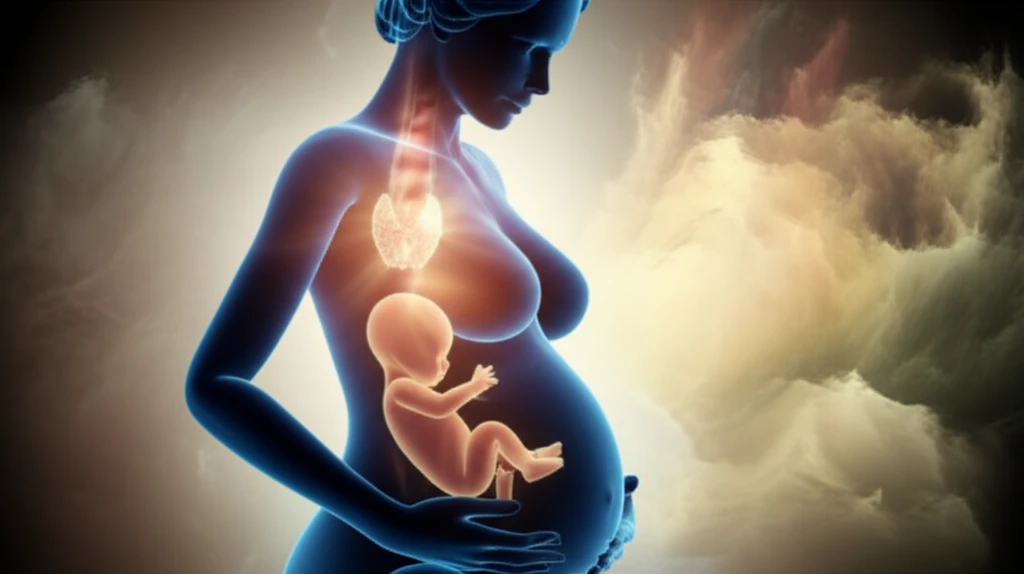
Surreal digital illustration of a pregnant woman with a glowing thyroid gland, symbolizing the link between maternal thyroid health and fetal development.

Thyroid Troubles and Tiny Triumphs: Unpacking the Link Between Pregnancy, Thyroid Health, and Cerebral Palsy

"New research sheds light on how maternal thyroid health during pregnancy could impact a child's risk of cerebral palsy, offering crucial insights for expectant mothers."


Pregnancy is a transformative journey, but it's also a period of heightened vulnerability. Among the many health considerations, maternal thyroid health has emerged as a critical factor. Recent research has highlighted a potential link between thyroid disorders during pregnancy and the risk of cerebral palsy in children. This groundbreaking study, published in BMC Pediatrics, delves into this connection, offering valuable insights for expectant mothers.

Cerebral palsy (CP) is a neurological disorder that affects movement, coordination, and posture. While the causes of CP are complex and multifactorial, prenatal factors are increasingly recognized as playing a significant role. Thyroid hormones, essential for fetal brain development, are particularly important, and disruptions during pregnancy could have significant consequences.

This article examines the key findings of the study, exploring the association between maternal thyroid disorders—specifically, hypothyroidism and hyperthyroidism—and the risk of cerebral palsy. We'll unpack the research methods, the study's conclusions, and the implications for both current and future pregnancies. Our goal is to provide clear, accessible information, empowering readers with knowledge to make informed decisions about their health and the well-being of their children.

Decoding the Study: Unveiling the Link Between Maternal Thyroid Health and Cerebral Palsy Risk

Surreal digital illustration of a pregnant woman with a glowing thyroid gland, symbolizing the link between maternal thyroid health and fetal development.

The study, a population-based cohort study, involved a large dataset of over a million children born in Denmark between 1979 and 2007, and a second cohort of nearly 200,000 children from the Danish National Birth Cohort and the Norwegian Mother and Child Cohort Study. Researchers examined the relationship between maternal thyroid disorders, diagnosed during pregnancy or in the years leading up to it, and the incidence of cerebral palsy in the children.

The study found that maternal thyroid disorder, in general, wasn't linked to a specific type of cerebral palsy called bilateral spastic cerebral palsy. However, there was an association between maternal thyroid disorder identified during pregnancy and increased risk of unilateral spastic cerebral palsy. Unilateral spastic cerebral palsy affects one side of the body.

  • Maternal thyroid disorders during pregnancy may be associated with an elevated risk of unilateral spastic cerebral palsy.
  • The study found no connection between maternal thyroid disorder and bilateral spastic cerebral palsy.
  • The research highlights the importance of early diagnosis and management of thyroid disorders in pregnant women.
The study's findings prompt further investigation and emphasize the need for studies that include blood samples to accurately measure thyroid hormone levels. The implications of this research are far-reaching, underscoring the importance of maternal health during pregnancy and the potential impact on a child's neurological development. This link also offers an opportunity for proactive health management and intervention.

Looking Ahead: Empowering Mothers with Knowledge and Proactive Healthcare

The study's insights are a stepping stone, offering crucial information for mothers and healthcare providers alike. By recognizing the potential impact of maternal thyroid health on a child's neurological development, expectant parents can proactively address their health needs. The research underscores the importance of early diagnosis, appropriate treatment, and regular monitoring of thyroid function during pregnancy. This proactive approach can empower women to make informed decisions about their health and the well-being of their children, ensuring a healthy start for both mother and child.

About this Article -

This article was crafted using a human-AI hybrid and collaborative approach. AI assisted our team with initial drafting, research insights, identifying key questions, and image generation. Our human editors guided topic selection, defined the angle, structured the content, ensured factual accuracy and relevance, refined the tone, and conducted thorough editing to deliver helpful, high-quality information.See our About page for more information.

Everything You Need To Know

1

What is the potential link between maternal thyroid disorders and cerebral palsy?

Research suggests a potential association between maternal thyroid disorders during pregnancy, specifically hypothyroidism and hyperthyroidism, and an increased risk of cerebral palsy (CP) in children. The study showed an elevated risk of unilateral spastic cerebral palsy, which affects one side of the body. This connection highlights the crucial role of thyroid hormones in fetal brain development and the potential consequences of disruptions during pregnancy.

2

Which specific types of cerebral palsy were examined in the study, and what were the findings?

The study specifically examined the link between maternal thyroid disorders and two types of cerebral palsy: bilateral spastic cerebral palsy and unilateral spastic cerebral palsy. The research found no connection between maternal thyroid disorder and bilateral spastic cerebral palsy. However, the study did find an association between maternal thyroid disorders during pregnancy and an increased risk of unilateral spastic cerebral palsy, which impacts one side of the body.

3

What were the key methodologies used in the study to investigate the relationship between maternal thyroid health and cerebral palsy?

The study employed a population-based cohort design, analyzing data from a large dataset of over a million children born in Denmark between 1979 and 2007, as well as a second cohort from the Danish National Birth Cohort and the Norwegian Mother and Child Cohort Study. Researchers examined the connection between maternal thyroid disorders, diagnosed during pregnancy or in the years leading up to it, and the incidence of cerebral palsy in the children. This approach allowed for a comprehensive analysis of the potential link between maternal thyroid health and the risk of cerebral palsy.

4

Why is maternal thyroid health considered a crucial factor during pregnancy, and what are the implications of thyroid disorders?

Maternal thyroid health is critical during pregnancy because thyroid hormones are essential for fetal brain development. Disruptions to these hormones, such as in hypothyroidism or hyperthyroidism, can have significant consequences, potentially increasing the risk of cerebral palsy in children. The study's findings underscore the importance of early diagnosis, appropriate treatment, and regular monitoring of thyroid function during pregnancy to support healthy neurological development in the fetus.

5

How can expectant mothers use the insights from this research to improve their health management and ensure the well-being of their children?

Expectant mothers can use the study's insights by proactively addressing their thyroid health. This involves seeking early diagnosis, appropriate treatment, and regular monitoring of thyroid function during pregnancy. By recognizing the potential impact of maternal thyroid health on a child's neurological development, women can make informed decisions about their health. They should discuss any concerns with their healthcare providers and follow recommended guidelines to ensure a healthy start for both mother and child, possibly preventing unilateral spastic cerebral palsy.

Newsletter Subscribe

Subscribe to get the latest articles and insights directly in your inbox.