
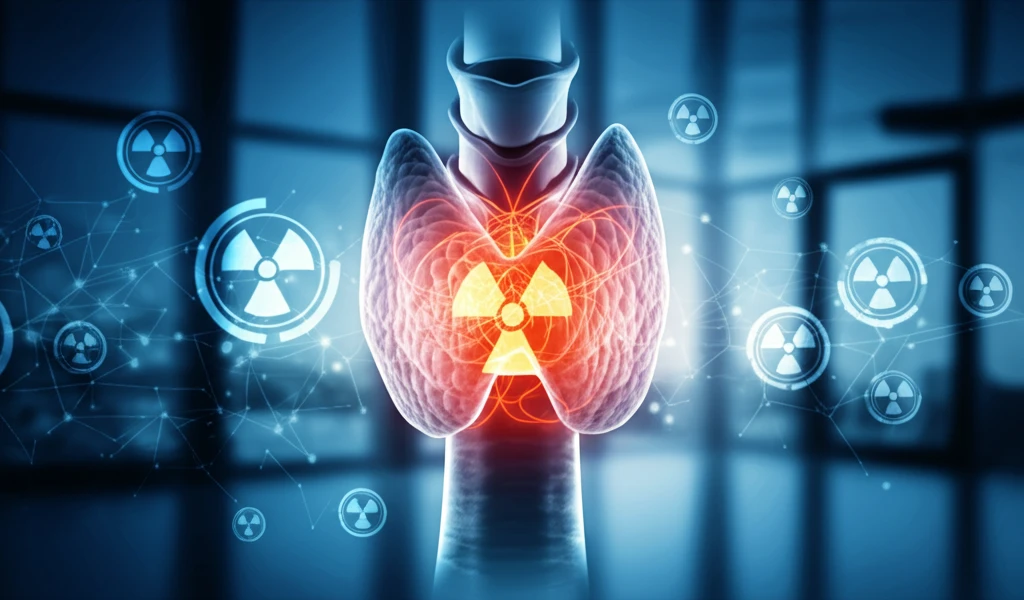
Thyroid Cancer and Radiation Exposure: What You Need to Know

"A Case Study Reveals the Link Between Occupational Radiation and a Rare Thyroid Cancer"
Thyroid cancer is a relatively rare malignancy, but its incidence has been increasing in recent years. While several factors can contribute to its development, including genetics and iodine deficiency, exposure to radiation is a well-established risk factor. A recent case study highlights the potential link between occupational radiation exposure and a rare and aggressive form of thyroid cancer known as epithelioid angiosarcoma (EAS).
Angiosarcoma of the thyroid is an extremely rare tumor, accounting for less than 1% of all thyroid malignancies. It is characterized by its aggressive behavior and poor prognosis. While the exact cause of thyroid angiosarcoma is unknown, it has been associated with iodine deficiency and, notably, radiation exposure.
This article delves into a fascinating case study that explores this connection, offering insights into risk factors, diagnosis, treatment, and potential preventative measures.
Thyroid Cancer & Radiation: The Basics
Thyroid cancer develops when cells in the thyroid gland grow abnormally, and radiation exposure is a well-established risk factor for this disease. The thyroid is particularly vulnerable to radiation because it absorbs iodine to produce hormones, and radioactive iodine can accumulate in thyroid tissue. While thyroid cancer is relatively uncommon compared to other cancers, its incidence has been rising in recent decades. Early detection and treatment generally lead to good outcomes, though the relationship between radiation dose and cancer risk remains an area of ongoing study.
Understanding the Thyroid
The thyroid is a butterfly-shaped endocrine gland located in the neck below the Adam's apple, consisting of two connected lobes joined by a thin band of tissue called the isthmus (Wikipedia). Its primary function is to produce and release hormones that control metabolism — how the body uses energy (Cleveland Clinic). Thyroid disease is an umbrella term for conditions affecting thyroid function, with hypothyroidism (underactive) and hyperthyroidism (overactive) being the two main types (Cleveland Clinic). Understanding these basic thyroid functions is essential for grasping how radiation exposure can disrupt hormonal balance and contribute to thyroid disorders (WebMD).
Recognizing Thyroid Symptoms Early
Thyroid conditions can manifest through various symptoms that may be easy to overlook, making early detection challenging. Spotting these symptoms early can lead to better diagnosis and treatment outcomes for patients. Common signs include fatigue, unexplained weight changes, neck swelling, and changes in heart rate. Awareness of these symptoms has been a key milestone in improving thyroid health outcomes over time.
Unveiling the Case: Radiation Exposure and Thyroid Cancer
Researchers reported the case of a 63-year-old interventional cardiologist who developed primary epithelioid angiosarcoma of the thyroid. What made this case particularly interesting was the patient's 15-year history of working in an angiographic room, exposing him to occupational radiation. The patient, who lived in a non-iodine-deficient area and had no prior history of thyroid disease, presented with rapid onset of dyspnea and dysphonia.
- Diagnosis and Staging: The patient's diagnosis involved a combination of imaging techniques (CT scans) and pathological examination of tissue samples obtained through fine-needle aspiration and surgery. Staging revealed that the tumor was confined to the thyroid, with no evidence of lymph node metastases.
- Treatment: Following surgery, the patient received chemotherapy with Epirubicin and Ifosfamide. However, treatment was discontinued after four cycles due to significant bone marrow toxicity.
- Follow-up: Remarkably, the patient remained alive and free of disease 62 months after the initial diagnosis. Follow-up CT scans of the neck, chest, abdomen, and pelvis revealed no signs of metastases.
Emerging Research on Radiation & Thyroid Cancer
Scientific understanding of the link between radiation exposure and thyroid cancer continues to evolve through ongoing research and clinical studies. Researchers are examining different types of radiation exposure, including medical imaging, nuclear incidents, and environmental sources, to better understand their respective impacts on thyroid cancer risk. While progress has been made in identifying at-risk populations, many questions remain about optimal screening protocols and long-term monitoring strategies.
Challenges in Establishing Causation
Establishing a direct causal relationship between radiation exposure and thyroid cancer presents several scientific challenges. Individual variation in radiation sensitivity, confounding genetic factors, and the long latency period between exposure and disease development complicate research efforts. Some studies have produced conflicting results regarding dose-response relationships, highlighting the complexity of this field.
Comparing Risk Factors & Outcomes
When analyzing thyroid cancer risk factors, radiation exposure must be considered alongside other variables such as family history, gender, age, and iodine intake. Different populations exposed to radiation — whether through medical treatment, occupational hazards, or environmental incidents — show varying rates of thyroid cancer development. These comparisons help researchers identify which groups may benefit most from enhanced screening and prevention strategies.
The Takeaway: Awareness and Prevention
While this case study provides valuable insights into the link between occupational radiation exposure and thyroid angiosarcoma, further research is needed to fully understand the underlying mechanisms and identify effective preventative strategies. Raising awareness among healthcare professionals and individuals working in potentially hazardous environments is crucial for early detection and prevention.
Expert Perspectives on Radiation & Thyroid Health
Medical experts generally agree that radiation exposure is a significant risk factor for thyroid cancer, particularly when the thyroid gland is directly exposed. The medical community emphasizes the importance of balancing the benefits of radiation-based medical procedures against potential thyroid cancer risks. Ongoing expert dialogue continues to refine clinical guidelines for thyroid monitoring in radiation-exposed individuals.
Advancing Thyroid Cancer Prevention & Treatment
Future research directions include developing more sensitive screening tools for early thyroid cancer detection in radiation-exposed populations. Advances in genetic research may help identify individuals with heightened susceptibility to radiation-induced thyroid cancer. Personalized medicine approaches could eventually allow for tailored prevention and treatment strategies based on individual risk profiles.
Public Health Considerations
Addressing thyroid cancer risk from radiation exposure requires coordinated public health efforts across multiple sectors. Balancing the necessity of radiation in medical diagnostics and treatment with cancer prevention remains an ongoing societal challenge. Access to thyroid screening and specialized care varies significantly across different healthcare systems and geographic regions.
Living with Thyroid Cancer Risk
For individuals who have experienced radiation exposure, the psychological burden of cancer risk can be significant and should not be underestimated. Support systems and patient education play crucial roles in helping at-risk individuals navigate screening schedules and treatment decisions. The human impact of thyroid cancer extends beyond medical outcomes, affecting quality of life, mental health, and daily functioning.