
The Ultimate Guide to CT Scan Safety: How to Reduce Radiation Exposure and Ensure Regulatory Compliance

"Navigating Joint Commission Standards and Optimizing CT Protocols for a Healthier Future"
In an era where medical imaging has become a cornerstone of diagnostics, Computed Tomography (CT) scans have emerged as a powerful tool for healthcare professionals. However, with great power comes great responsibility. The radiation emitted during CT scans has raised concerns about potential long-term health effects, leading to increased scrutiny from regulatory bodies and a growing awareness among patients and healthcare providers alike.
Radiation exposure from CT scans now constitutes a large part of the annual population exposure, which puts pressure on national healthcare systems to keep tabs on the issue, monitoring the levels to protect patients and reduce long-term effects. Moreover, the challenge lies in maintaining consistent radiation doses across various institutions and even within the same health system. Variability in equipment, protocols, and patient demographics adds complexity to this task. New guidelines and standards are often put in place to improve practices.
The Joint Commission, a leading healthcare accreditation organization, now mandates that accredited institutions meticulously track dose indices for all CT examinations. Additionally, these institutions are required to conduct regular reviews of their CT protocols, analyzing examinations where radiation dose indices exceed predetermined thresholds. Identifying, investigating, and mitigating instances of excessive radiation exposure have become essential components of modern healthcare quality assurance.
CT Scan Overview
CT scans, or computed tomography scans, are diagnostic imaging tests that combine X-rays with computer processing to create detailed pictures of the inside of the body. These scans are widely used in healthcare for diagnosing conditions, guiding treatments, and monitoring disease progression. The technology provides cross-sectional images that offer more detail than standard X-rays alone. CT scanning has become a fundamental tool in emergency medicine, oncology, and many other medical specialties.
How CT Scans Work
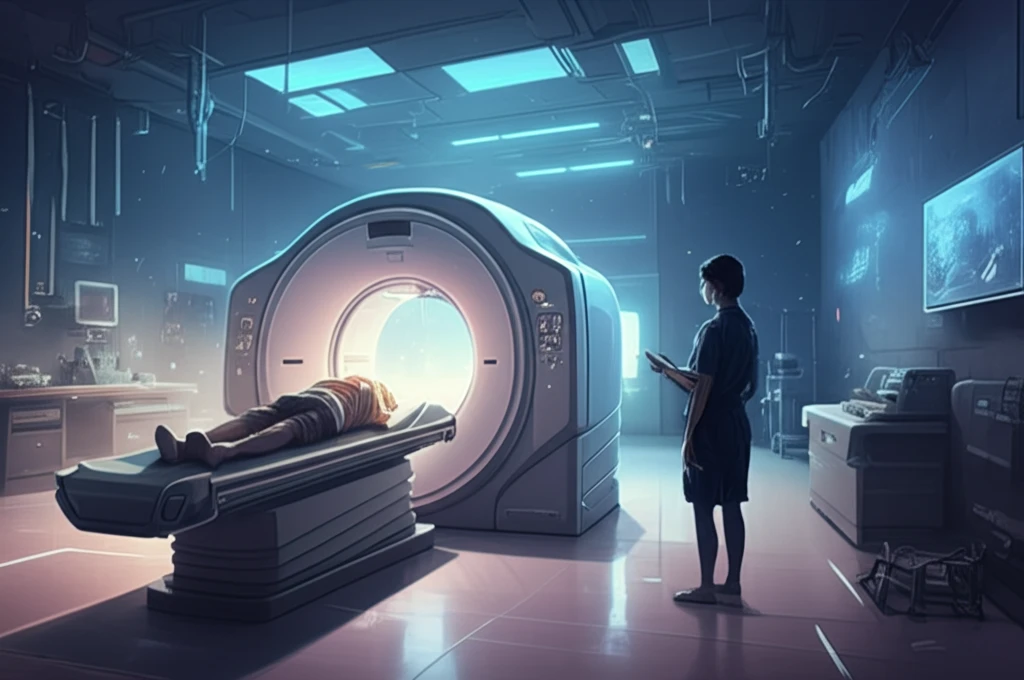
CT scans use X-rays taken from multiple angles around the body, which are then processed by computers to create detailed cross-sectional images. The procedure typically involves lying on a table that slides through a ring-shaped scanner. While CT scans provide valuable diagnostic information, they do involve exposure to ionizing radiation. Medical professionals must weigh the diagnostic benefits against potential radiation risks when ordering CT scans.
Development of CT Technology
CT scanning technology has evolved significantly since its initial development. The technology was first introduced in the early 1970s and has undergone continuous refinement. Modern CT scanners can produce images much faster and with greater detail than earlier generations. The advancement from single-slice to multi-slice CT technology has been particularly transformative for medical imaging.
Decoding Joint Commission Requirements for CT Scans
The Joint Commission's standards for CT imaging are designed to ensure patient safety and minimize unnecessary radiation exposure. These standards revolve around several key components:
- Establishing Thresholds: Institutions must establish predetermined thresholds for radiation dose indices. These thresholds serve as benchmarks for identifying potentially excessive radiation exposure.
- Protocol Reviews: Regular reviews of CT protocols are mandatory. These reviews involve analyzing examinations where radiation dose indices exceed established thresholds.
- Mitigation Strategies: When excessive dose exposures are identified, institutions must implement strategies to mitigate future occurrences. This may involve adjusting imaging parameters, optimizing protocols, or providing additional training to staff.
Current CT Scan Applications
CT scanning continues to be a vital diagnostic tool in modern medicine. Research and clinical practice have expanded the applications of CT technology across numerous medical specialties. Ongoing developments focus on improving image quality while reducing radiation exposure. Medical institutions regularly evaluate CT scan protocols to optimize patient outcomes.
Limitations and Considerations
While CT scans are valuable diagnostic tools, there are inherent limitations to consider. The use of ionizing radiation requires careful risk-benefit analysis for each patient. Alternative imaging modalities may be appropriate in certain clinical situations. Healthcare providers must consider factors such as patient age, condition being evaluated, and available alternatives when ordering CT scans.
CT vs Other Imaging Methods
CT scans offer advantages over other imaging techniques in certain clinical scenarios. Compared to standard X-rays, CT provides more detailed cross-sectional images. However, other imaging modalities such as MRI and ultrasound may be preferred for certain conditions. The choice of imaging method depends on the specific clinical question, patient factors, and available resources.
Optimizing CT Scan Safety: A Collective Responsibility
Reducing radiation exposure from CT scans requires a collaborative effort involving healthcare providers, regulatory agencies, and technology vendors. By embracing standardized protocols, investing in dose-tracking software, and fostering a culture of continuous improvement, healthcare systems can minimize radiation risks while maintaining the diagnostic benefits of CT imaging.
Professional Perspective on CT Usage
Healthcare professionals recognize CT scanning as an essential diagnostic tool when used appropriately. Medical organizations provide guidelines to help clinicians make informed decisions about CT scan utilization. The key is balancing diagnostic accuracy with patient safety considerations. Ongoing education helps ensure that CT scans are ordered and interpreted correctly.
Advancing CT Technology
CT scanning technology continues to evolve with improvements in speed, resolution, and dose reduction. Future developments may further enhance the diagnostic capabilities while minimizing patient exposure. Research into new applications and techniques suggests continued growth in CT utilization. The integration of artificial intelligence may play an increasing role in CT image analysis and interpretation.
Healthcare System Considerations
The widespread availability of CT scanning has transformed diagnostic medicine but also presents system-level challenges. Healthcare systems must balance access to CT technology with appropriate utilization. Training and quality assurance programs are important components of CT service delivery. Cost considerations and resource allocation remain ongoing factors in CT scan accessibility.
Patient Experience with CT Scans
For patients, CT scans are generally quick and non-invasive diagnostic procedures. Understanding the purpose and process of CT scanning can help reduce patient anxiety. Healthcare providers play an important role in explaining CT scan procedures and addressing patient concerns. The information obtained from CT scans often plays a crucial role in guiding patient care decisions.