
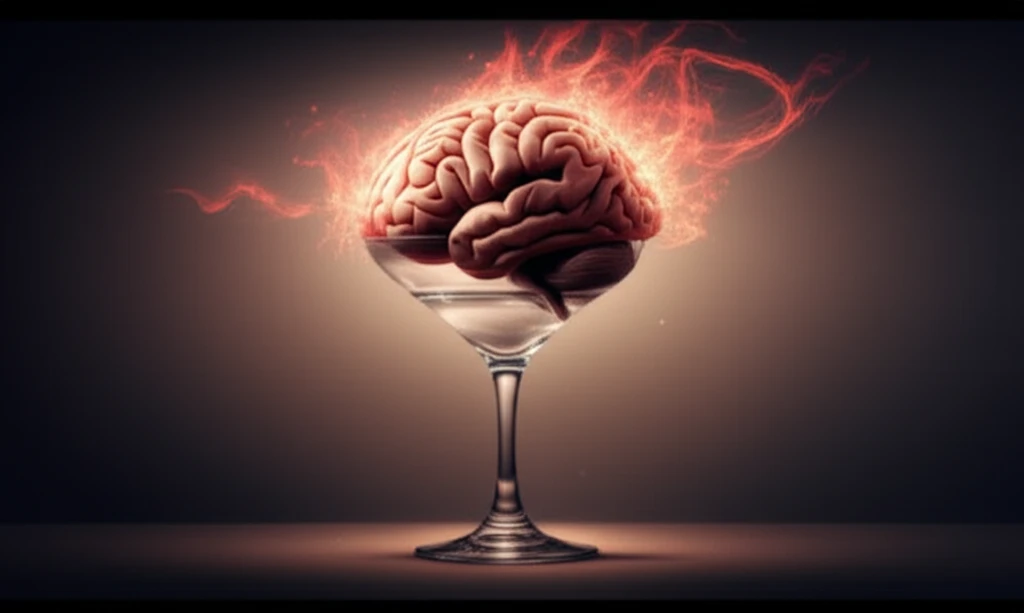
Brain in a cocktail glass, symbolizing alcohol-induced inflammation.

The Surprising Link Between Alcohol, Inflammation, and Your Brain: What You Need to Know

"Uncover how alcohol-induced inflammation affects your brain and behavior, and what this means for your health and well-being."


Alcohol, a common fixture in social gatherings and personal relaxation, carries a more complex story than many realize. Beyond the immediate effects of intoxication, alcohol consumption sets off a cascade of biological events, particularly within our immune system and brain. Understanding this interplay is crucial for anyone who enjoys an occasional drink or is concerned about the long-term impacts of alcohol on their health.

Recent research has illuminated a fascinating link between alcohol, inflammation, and changes in brain function. Studies show that alcohol can trigger inflammatory responses in the brain, potentially leading to altered behavior and increased susceptibility to neurological issues. The key player in this complex interaction is a group of substances called cytokines—specifically, interleukin-6 (IL-6)—which are instrumental in the body's immune response.

This article delves into the groundbreaking findings of a study that investigated the effects of IL-6 on behavior following alcohol consumption. By exploring this research, we aim to provide you with a clear understanding of how alcohol-induced inflammation affects the brain, what behavioral changes to watch out for, and what steps you can take to mitigate potential harm.

How Does Alcohol Trigger Inflammation in the Brain?

Brain in a cocktail glass, symbolizing alcohol-induced inflammation.

When you consume alcohol, your body recognizes it as a foreign substance and activates the immune system. This activation leads to the release of cytokines, including IL-6, which act as messengers, signaling the presence of a threat. While inflammation is a natural response designed to protect and heal, excessive or prolonged inflammation can be harmful, especially in the delicate environment of the brain.

The study focused on how increased levels of IL-6 in the brain influence behavior related to alcohol intoxication. Researchers conducted experiments on adult male rats, examining the effects of manipulating IL-6 levels on two key measures of alcohol sensitivity: loss of righting reflex (LORR) and conditioned taste aversion (CTA). LORR measures how long it takes for an animal to lose its ability to right itself after alcohol consumption, while CTA assesses whether an animal develops an aversion to a taste (in this case, sucrose) after it has been paired with alcohol.

  • Loss of Righting Reflex (LORR): Measures the sedative effects of alcohol.
  • Conditioned Taste Aversion (CTA): Indicates whether alcohol consumption leads to a learned dislike of a specific taste.
  • Cytokines: Proteins that regulate immune and inflammatory responses.
  • Interleukin-6 (IL-6): A specific cytokine studied for its role in alcohol-related behavioral changes.
The researchers explored how different doses of IL-6 and a substance called AG490 (a JAK/STAT inhibitor, which reduces IL-6 signaling) affected the rats' responses to alcohol. They observed the rats' behavior, measured their blood alcohol levels, and analyzed how these factors correlated with changes in their alcohol sensitivity.

What Does This Mean for You?

Understanding the role of IL-6 and inflammation in alcohol-related behaviors opens new avenues for mitigating the harmful effects of alcohol. While this study primarily focused on animal models, the findings suggest that managing inflammation could be a key strategy for reducing alcohol's impact on the brain. Further research is needed to determine how these results translate to humans, but the implications are promising for developing targeted interventions.

About this Article -

This article was crafted using a human-AI hybrid and collaborative approach. AI assisted our team with initial drafting, research insights, identifying key questions, and image generation. Our human editors guided topic selection, defined the angle, structured the content, ensured factual accuracy and relevance, refined the tone, and conducted thorough editing to deliver helpful, high-quality information.See our About page for more information.

Everything You Need To Know

1

How does alcohol consumption lead to inflammation in the brain?

When alcohol is consumed, the body recognizes it as a foreign substance, activating the immune system. This activation leads to the release of cytokines, including Interleukin-6 (IL-6). While inflammation is a natural protective response, excessive or prolonged inflammation, particularly in the brain, can be harmful. This process can alter brain function and potentially lead to neurological issues. It's important to note that while inflammation is a protective mechanism, unchecked inflammation can have negative consequences, highlighting the delicate balance within the body's immune response.

2

What role does Interleukin-6 (IL-6) play in the relationship between alcohol and changes in behavior?

Interleukin-6 (IL-6) is a cytokine, a type of protein that acts as a messenger in the immune system. When alcohol triggers inflammation in the brain, IL-6 levels increase. This increase in IL-6 can influence behavior related to alcohol intoxication. Studies using animal models have explored how manipulating IL-6 levels affects measures of alcohol sensitivity, such as loss of righting reflex (LORR) and conditioned taste aversion (CTA). Understanding IL-6's role opens potential avenues for mitigating the harmful effects of alcohol on the brain.

3

What is 'loss of righting reflex' (LORR), and how is it related to alcohol consumption in studies?

Loss of righting reflex (LORR) is a measure used to assess the sedative effects of alcohol. In studies, it refers to the time it takes for an animal, such as a rat, to lose its ability to right itself after alcohol consumption. LORR is one indicator of alcohol sensitivity. Studies examining the role of Interleukin-6 (IL-6) in alcohol-related behaviors often use LORR as a key measure to understand how inflammation affects the brain's response to alcohol.

4

What is 'conditioned taste aversion' (CTA), and what does it indicate in studies about alcohol consumption?

Conditioned taste aversion (CTA) is a phenomenon where an animal develops an aversion to a specific taste (like sucrose) after it has been paired with alcohol consumption. It indicates whether alcohol consumption leads to a learned dislike of that specific taste. Researchers use CTA to assess the aversive effects of alcohol and how factors like Interleukin-6 (IL-6) influence this learning process. It's an important measure to understand the negative associations formed with alcohol intake.

5

How might understanding the link between alcohol, Interleukin-6 (IL-6), and brain inflammation lead to new interventions for alcohol-related harm?

Understanding the role of Interleukin-6 (IL-6) and inflammation in alcohol-related behaviors suggests that managing inflammation could be a key strategy for reducing alcohol's impact on the brain. Although current studies are primarily in animal models, the findings hold promise for developing targeted interventions in humans. Future research could explore ways to modulate IL-6 signaling or reduce inflammation to mitigate the neurological and behavioral effects of alcohol consumption. This could potentially lead to new therapies or preventative measures to protect brain health in individuals who consume alcohol.

Newsletter Subscribe

Subscribe to get the latest articles and insights directly in your inbox.