
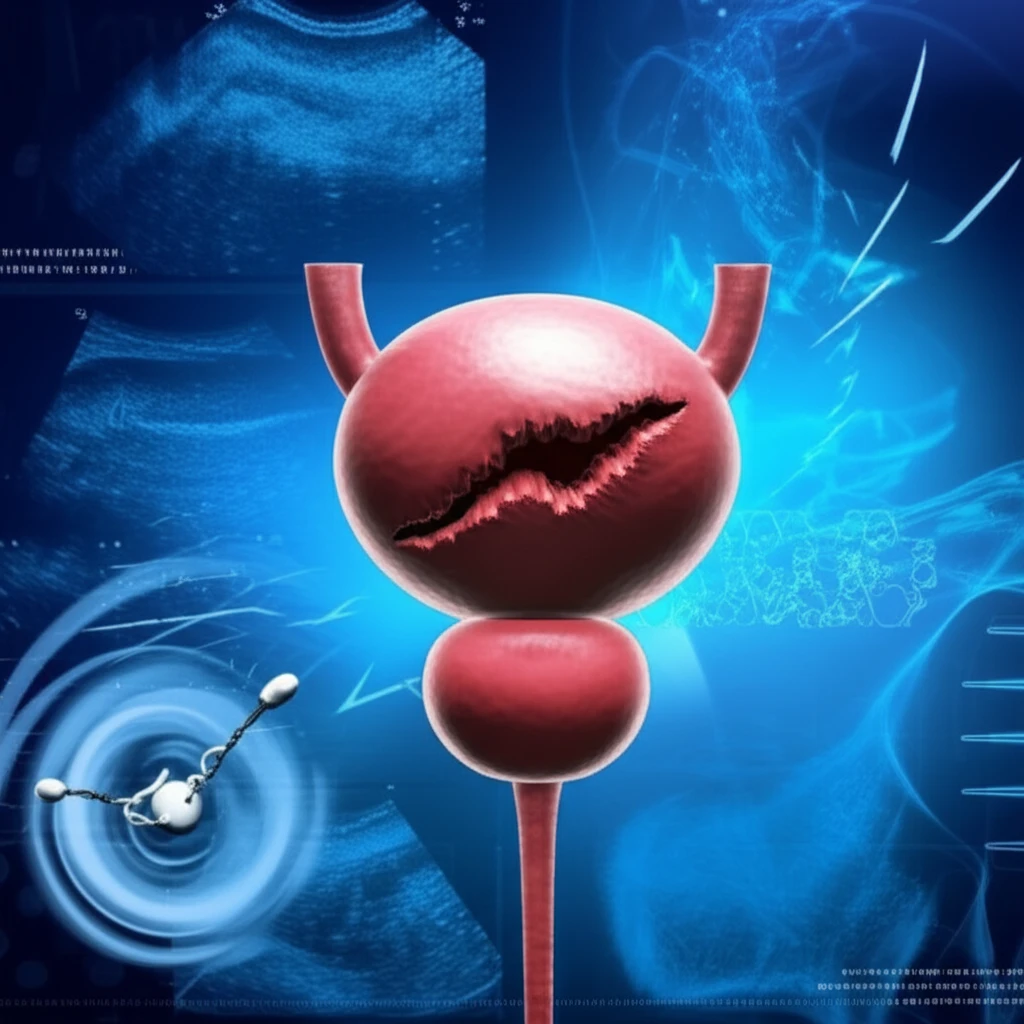
Illustration depicting spontaneous urinary bladder rupture, with medical symbols and diagnostic tools.

The Silent Threat: Unmasking the Rare Danger of Spontaneous Bladder Rupture

"Understanding a Rare Condition and Why Early Detection Matters"


Imagine a scenario where you experience sudden, severe abdominal pain, a feeling that something is terribly wrong. This could be due to a wide range of issues, but what if the cause was something incredibly rare: a spontaneous rupture of your urinary bladder? While not a common occurrence, this condition, known as idiopathic urinary bladder rupture, can present significant diagnostic challenges and requires immediate attention. This article delves into this uncommon medical issue, shedding light on its causes, symptoms, diagnostic hurdles, and the critical importance of early detection and treatment.

Idiopathic urinary bladder rupture is, as the name suggests, a spontaneous tear in the bladder wall, occurring without any obvious external trauma or pre-existing condition. This rarity makes it difficult to diagnose, as symptoms can mimic more common ailments like gastrointestinal issues. The consequences of a missed or delayed diagnosis can be severe, emphasizing the need for a thorough understanding of this condition.

In this comprehensive guide, we will explore the complexities of spontaneous bladder rupture, drawing upon medical insights and research to provide a clear, informative overview. Whether you're a healthcare professional, a patient, or simply someone interested in understanding rare medical conditions, this article aims to equip you with the knowledge necessary to appreciate the seriousness of this condition and the importance of timely medical intervention.

Deciphering Spontaneous Bladder Rupture: Causes, Symptoms, and Diagnosis

Illustration depicting spontaneous urinary bladder rupture, with medical symbols and diagnostic tools.

Spontaneous urinary bladder rupture, though rare, often presents a complex puzzle for medical professionals. The rupture, or tear, in the bladder wall can lead to urine leakage into the abdominal cavity, causing a range of symptoms. The causes behind this are often idiopathic, meaning they have no clear, identifiable origin, or can be related to underlying factors such as bladder wall weakness, chronic bladder conditions, or previous abdominal surgeries.

The symptoms of this condition can be quite varied, making accurate diagnosis a challenge. Common symptoms include:

  • Sudden, severe abdominal pain that may be constant or intermittent.
  • Abdominal swelling and tenderness, often accompanied by signs of peritonitis (inflammation of the abdominal lining).
  • Difficulty or inability to urinate (oliguria or anuria).
  • Blood in the urine (hematuria).
  • Changes in laboratory values, such as elevated levels of urea and creatinine.
Diagnosis requires a combination of careful medical history, physical examination, and diagnostic tests. Medical professionals must rule out other conditions that may present similar symptoms. Imaging tests, like abdominal X-rays, ultrasounds, and CT scans, are crucial for visualizing the bladder and identifying the rupture. In some cases, cystography, a procedure involving the use of contrast dye, may be necessary to confirm the diagnosis. The key lies in recognizing the potential for this rare condition and proceeding with a thorough diagnostic approach.

Taking Action: Prompt Treatment and Ongoing Support

Spontaneous urinary bladder rupture is a medical emergency that requires prompt diagnosis and treatment. If you or someone you know experiences symptoms suggestive of this condition, immediate medical evaluation is crucial. Early detection, combined with timely interventions such as surgical repair of the bladder and supportive care, can significantly improve outcomes. Remember, increased awareness and understanding of rare conditions like spontaneous bladder rupture are essential for better patient care and improved healthcare outcomes.

About this Article -

This article was crafted using a human-AI hybrid and collaborative approach. AI assisted our team with initial drafting, research insights, identifying key questions, and image generation. Our human editors guided topic selection, defined the angle, structured the content, ensured factual accuracy and relevance, refined the tone, and conducted thorough editing to deliver helpful, high-quality information.See our About page for more information.

This article is based on research published under:

DOI-LINK: 10.2478/pjs-2013-0111, Alternate LINK

Title: Spontaneous, Idiopathic Urinary Bladder Perforation – Case Report

Subject: General Medicine

Journal: Polish Journal of Surgery

Publisher: Index Copernicus

Authors: Maria Wieloch, Kamila Bazylińska, Piotr Ziemniak

Published: 2013-01-01

Everything You Need To Know

1

What exactly is spontaneous urinary bladder rupture, and why is it considered a diagnostic challenge?

Spontaneous urinary bladder rupture refers to a tear in the bladder wall that occurs without any external trauma or pre-existing condition, making it idiopathic in many cases. It poses a diagnostic challenge because its symptoms, such as sudden abdominal pain, can mimic more common ailments like gastrointestinal issues. This rarity means medical professionals must consider it among a range of possibilities, requiring thorough investigation to avoid delays in treatment. A missed or delayed diagnosis of spontaneous urinary bladder rupture can lead to severe consequences due to urine leakage into the abdominal cavity, leading to peritonitis and other complications.

2

What are the most common symptoms associated with spontaneous urinary bladder rupture that should prompt someone to seek immediate medical attention?

The symptoms of spontaneous urinary bladder rupture can vary, but some of the most common include sudden, severe abdominal pain, abdominal swelling and tenderness, difficulty or inability to urinate (oliguria or anuria), and blood in the urine (hematuria). Changes in laboratory values, like elevated urea and creatinine levels, are also indicators. Experiencing these symptoms should prompt immediate medical evaluation because spontaneous urinary bladder rupture is a medical emergency requiring prompt intervention to prevent further complications, such as peritonitis or sepsis.

3

How do medical professionals diagnose spontaneous urinary bladder rupture, and what imaging techniques are typically used?

Diagnosing spontaneous urinary bladder rupture involves a combination of careful medical history review, physical examination, and diagnostic tests. Medical professionals must rule out other conditions with similar symptoms. Imaging tests are crucial, including abdominal X-rays, ultrasounds, and CT scans, to visualize the bladder and identify any rupture. In some cases, cystography, a procedure using contrast dye, may be necessary to confirm the diagnosis. The diagnostic process aims to differentiate spontaneous urinary bladder rupture from other abdominal emergencies and confirm the presence and extent of the bladder tear.

4

What are some potential underlying factors or pre-existing conditions that could contribute to spontaneous urinary bladder rupture, even if the cause is often idiopathic?

While spontaneous urinary bladder rupture is often idiopathic, meaning it has no clear, identifiable origin, certain underlying factors can contribute to its occurrence. These include bladder wall weakness, chronic bladder conditions, or previous abdominal surgeries that might compromise the integrity of the bladder. Understanding these potential factors helps medical professionals assess a patient's risk and consider spontaneous urinary bladder rupture as a possibility in patients with relevant medical histories. Recognizing such associations can aid in earlier diagnosis and intervention.

5

What is the significance of early detection and prompt treatment, such as surgical repair, in managing spontaneous urinary bladder rupture, and what are the potential long-term implications of delayed intervention?

Early detection and prompt treatment, including surgical repair of the bladder and supportive care, are crucial for significantly improving outcomes in cases of spontaneous urinary bladder rupture. Delayed intervention can lead to severe complications like peritonitis (inflammation of the abdominal lining), sepsis, and even death due to the leakage of urine into the abdominal cavity. Long-term implications of delayed treatment may include chronic abdominal pain, recurrent infections, and impaired bladder function. Therefore, increased awareness and understanding of spontaneous bladder rupture are essential for better patient care and improved healthcare outcomes.

Newsletter Subscribe

Subscribe to get the latest articles and insights directly in your inbox.