
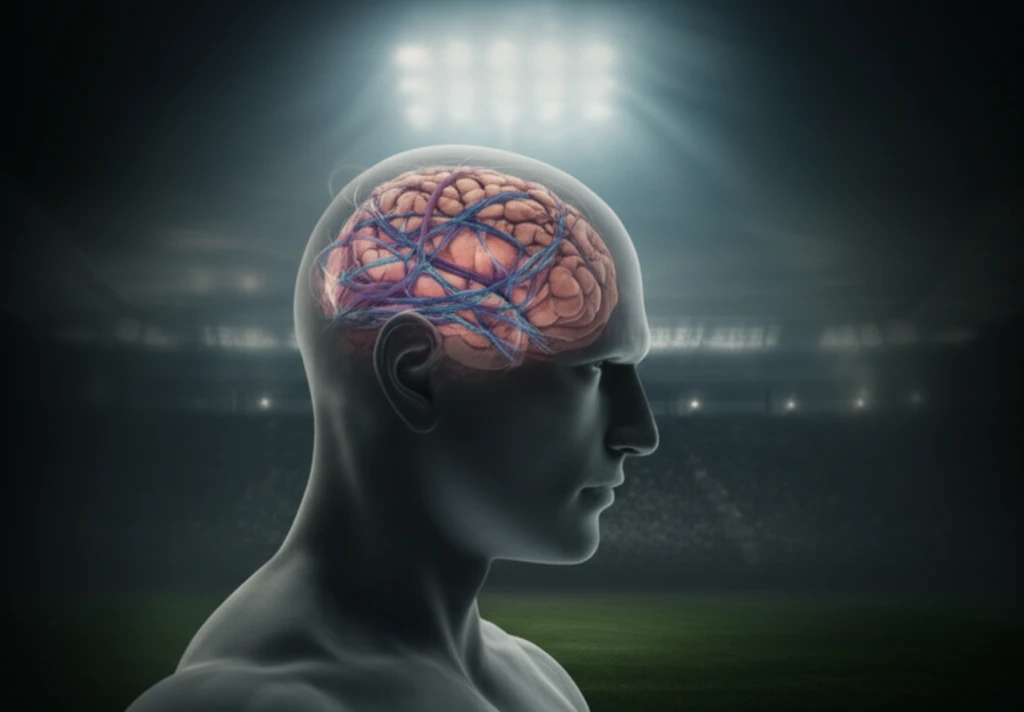
The Silent Game: Unmasking CTE and Its Impact on Football Players

"Unraveling the Complexities of Chronic Traumatic Encephalopathy (CTE) and Its Devastating Effects on Professional Football Players"
The roar of the crowd, the thrill of the game, and the camaraderie of the team are all part of the allure of professional football. Yet, beneath the surface of this beloved sport lies a silent threat: Chronic Traumatic Encephalopathy (CTE). This progressive neurodegenerative disease, linked to repeated head trauma, has cast a long shadow over the gridiron, raising critical questions about player safety and long-term health.
Recent studies have brought CTE into sharp focus, revealing the prevalence of this condition among former football players. Understanding the science behind CTE, its potential causes, and the impact on athletes' lives is more important than ever. This article dives into the latest research, providing insights into the prevalence of CTE, the risks involved, and the ongoing efforts to protect those who play the game.
This in-depth exploration aims to provide a clear and comprehensive understanding of CTE, from the science of the disease to the challenges faced by those affected. By examining the latest research, we hope to shed light on the complexities of CTE and the steps needed to safeguard the well-being of athletes and promote a healthier future for the sport.
Unveiling CTE: What You Need to Know
Chronic Traumatic Encephalopathy (CTE) is a progressive brain condition associated with a history of repetitive head trauma. It is characterized by the degeneration of brain tissue, which can lead to a variety of cognitive, behavioral, and mood disturbances. These symptoms often emerge years or even decades after the head injuries occur, making the disease particularly insidious.
- Cognitive Impairments: Memory loss, difficulty with executive functions, and problems with attention and concentration.
- Mood Disorders: Depression, anxiety, and increased irritability.
- Behavioral Changes: Aggression, impulsivity, and difficulties with social interactions.
- Motor Disturbances: Problems with balance, coordination, and speech.
Looking Ahead: Protecting the Future of Football
The journey to fully understand and combat CTE is ongoing, with research and awareness continuously evolving. As we learn more about this devastating condition, it's crucial to support initiatives that promote player safety, such as improved helmet technology, rule changes to reduce head impacts, and enhanced medical protocols. By prioritizing the health and well-being of athletes, we can work towards a future where the game can be enjoyed without the long-term threat of CTE.