
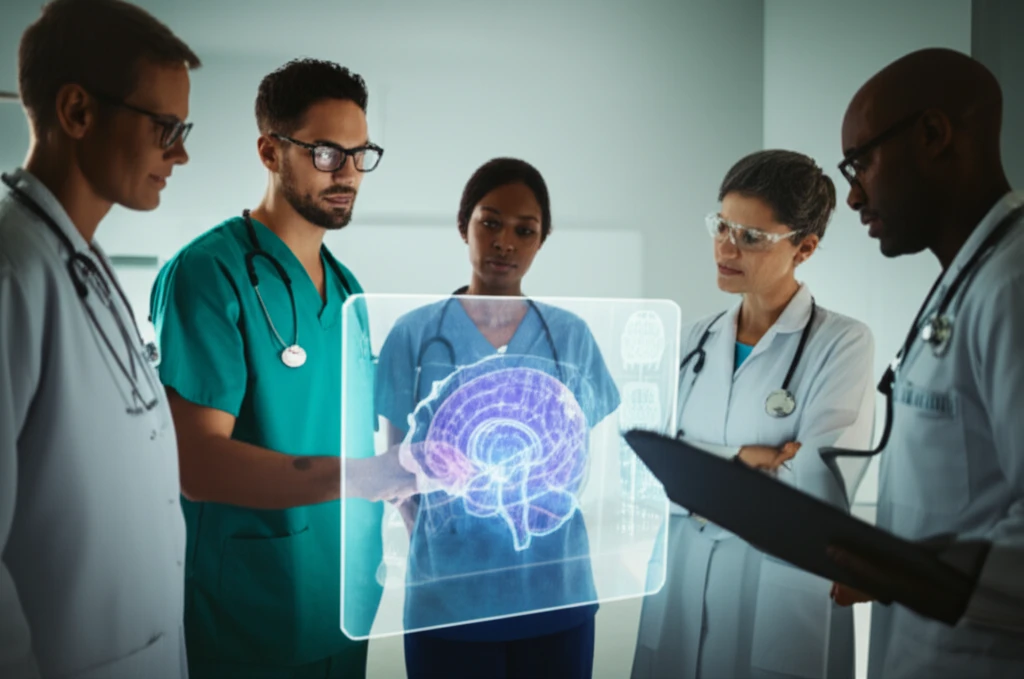
The Power of Teamwork: How Multidisciplinary Teams are Revolutionizing CNS Infection Treatment

"Discover how collaborative medical teams are improving diagnosis and treatment outcomes for complex central nervous system infections."
Central nervous system (CNS) infections pose a significant threat to global health, ranking among the most devastating and challenging diseases to manage. According to the World Health Organization, a staggering 700,000 individuals contracted meningitis in 2004 alone, with nearly half succumbing to the illness. These infections can arise from a multitude of pathogens, including viruses, bacteria, fungi, parasites, and mycobacteria, making accurate diagnosis and effective treatment particularly complex.
Ordinarily, the blood-brain barrier (BBB) serves as a robust defense, shielding the central nervous system from infection. However, this protective barrier can weaken with age and in individuals with conditions like AIDS, diabetes, cardiovascular disease, or those undergoing immunosuppressive therapies. The rise in international travel further complicates matters, expanding both the number and variety of infections affecting the nervous system. This convergence of factors creates a growing pool of high-risk patients, demanding innovative approaches to care.
CNS infections manifest through a range of symptoms, such as headaches, fever, altered mental states, and behavioral changes. In severe cases, inflammation can lead to brain edema and increased intracranial pressure. However, because different CNS infections often present with similar clinical traits, pinpointing the precise cause can be challenging for doctors. In many instances, imaging results alone are insufficient for a definitive diagnosis, and some infections defy detection even with extensive laboratory testing. Fortunately, advances in diagnostics and management are steadily improving our ability to combat these infections.
Why Multidisciplinary Teams are Essential for Treating CNS Infections
Multidisciplinary teams (MDTs) represent a collaborative approach where professionals from various healthcare disciplines unite to discuss and determine the best course of action for a patient. This team-based strategy, where experts independently contribute their knowledge, has proven effective in managing various conditions, notably cancer. Improved survival rates and enhanced treatment outcomes have been observed in breast, gastric, and lung cancer patients managed by MDTs. This collaborative model extends beyond oncology, benefiting individuals with Parkinson's disease and diabetes.
- Improved Diagnostic Accuracy: Combining diverse expertise leads to more accurate and timely diagnoses.
- Evidence-Based Decisions: Treatment plans are based on the latest research and collective clinical experience.
- Optimized Treatment Planning: Customized treatment strategies address the unique needs of each patient.
- Comprehensive Care Delivery: Integrated care ensures all aspects of the patient's condition are managed effectively.
The Financial and Emotional Benefits of MDTs
Patients with neuroinfectious diseases often require extensive diagnostic evaluations, prolonged antimicrobial therapy, lengthy hospitalizations, and extended rehabilitation. These factors can lead to significant financial burdens and emotional distress. Multidisciplinary collaboration helps streamline the treatment process, potentially reducing costs and improving the overall patient experience. By providing comprehensive and coordinated care, MDTs offer not only medical benefits but also financial and emotional support, making them an indispensable component of CNS infection management.