
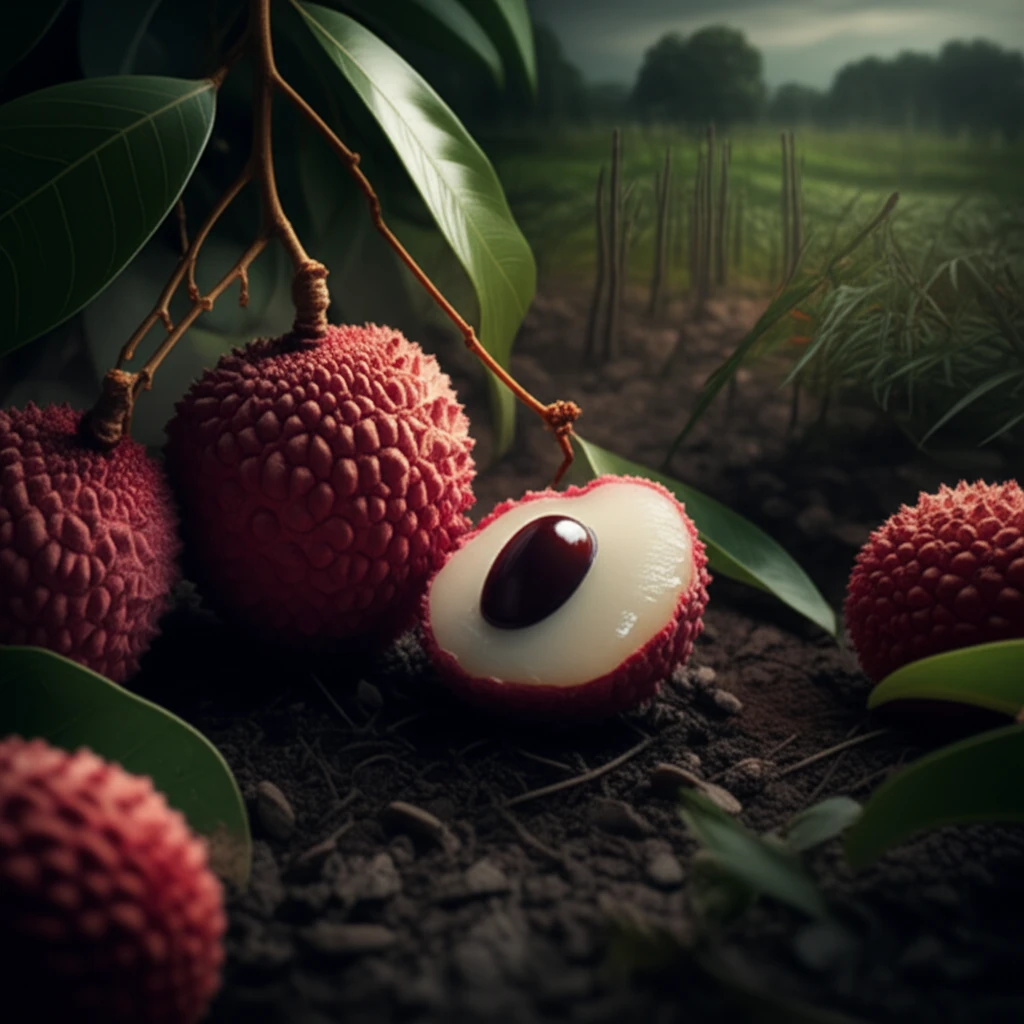
The Litchi Fruit Encephalopathy Mystery: Is a Natural Toxin to Blame?

"Unraveling the truth behind the Muzaffarpur outbreaks and the surprising role of methylenecyclopropyl glycine (MCPG)"
Every year, the recurring outbreaks of hypoglycemic encephalopathy in Muzaffarpur and neighboring areas of Bihar, India, present a serious health challenge. These outbreaks, characterized by acute viral encephalitis that baffled researchers for years, have now been linked to a mysterious cause. For many years, a specific clinical diagnosis eluded medical experts, giving rise to what was known as a mystery disease.
Scientists have considered various explanations for the seasonal disease. Some of these explanations supported the diagnosis of AES, including viruses and contaminations. However, it became clear that the underlying cause was acute hypoglycemic encephalopathy. Researchers then noticed a connection between the disease and Vietnam and Bangladesh outbreaks. This sparked speculation that viruses or pesticides were to blame. Further investigation revealed that the cerebrospinal fluid of affected patients was free of viruses, prompting scientists to investigate pesticides as a probable culprit.
Interestingly, the outbreaks occurred during the litchi harvest season. There was a correlation between case numbers and the amount of litchi harvested in the affected regions. The symptoms of the puzzling Muzaffarpur acute hypoglycemic encephalopathy mirrored Jamaican Vomiting Sickness (JVS), which is also an acute hypoglycemic encephalopathy. Methylenecyclopropyl-alanine (MCPA), or hypoglycin A, is a poisonous chemical present in unripe ackee fruit that causes this disease.
MCPG: The Unexpected Culprit in Litchi Fruit
Ackee fruit (Blighia sapida, family Sapindaceae) is known to cause acute encephalopathy, also called JVS, according to research. (Tanaka et al., 1976). According to reports, unripe ackee fruit has a higher concentration of MCPA than ripe ackee fruit (Brown et al., 1992). Experts in phytotoxicology have also discovered a lower analog of hypoglycin A known as methylenecyclopropyl-glycine (MCPG) in Asian Litchi seeds (Litchi sinensis, Family Sapindaceae) (Gray and Fowden, 1962).
- Malathion (0.18–0.19 µg/g) and p'-p'-DDT (0.022–0.023 µg/g) were found on the fruit cover of ripe and semi-ripe litchi.
- There were no pesticide residues found in the pulp of ripe or semi-ripe litchi.
- MCPG was discovered in litchi pulp, which could contribute to hypoglycemic encephalopathy.
- MCPG's hypoglycemic impact was validated in vivo using preliminary weight and glucose measurements.
A Path Forward in Protecting Vulnerable Populations
The study highlights that litchi fruit containing MCPG has more adverse effects to undernourished children than healthier ones. This situation can deplete the already compromised levels of glucose in the body, leading to the low levels of glucose in the brain. In order to raise awareness among farmers and their families, they must feed youngsters a cooked meal before night. If children start to exhibit symptoms of acute encephalopathy, giving them a 10% dextrose solution may also save the lives of the undernourished (Shah and John 2014). MCPG is the culprit in acute hypoglycemic encephalopathy, not pesticide exposure, as evidenced by dextrose therapy's restoration from the hypoglycemic condition. Raising awareness about the condition and ensuring prompt treatment may help lower morbidity and mortality rates among affected children.