
The High Cost of Medical Progress: When More Isn't Always Better

"A poignant look at how medical advancements can sometimes overshadow a patient's true needs and desires, leading to a life prolonged but not necessarily enriched."
In our relentless pursuit of medical breakthroughs, it's easy to assume that more treatment always equals a better outcome. We celebrate advancements that extend life, often without fully considering the individual's experience of that extended life. The story of Jane, a 39-year-old woman battling lymphoma, offers a sobering reflection on this assumption.
Jane's journey, detailed in a medical journal, highlights the profound impact of medical technology on a patient's final years. While modern medicine offered her prolonged life, it also tethered her to a system that sometimes seemed to prioritize procedures over her personal well-being and wishes. Her story compels us to question whether the gains always outweigh the costs.
This article delves into the complexities of Jane's case, examining how medical progress, while undeniably valuable, can inadvertently diminish the very essence of what makes life meaningful. It's a call to re-evaluate our approach to end-of-life care, emphasizing the importance of patient-centered decisions and a more holistic understanding of well-being.
The Illusion of Choice: Trapped Between Hope and Reality
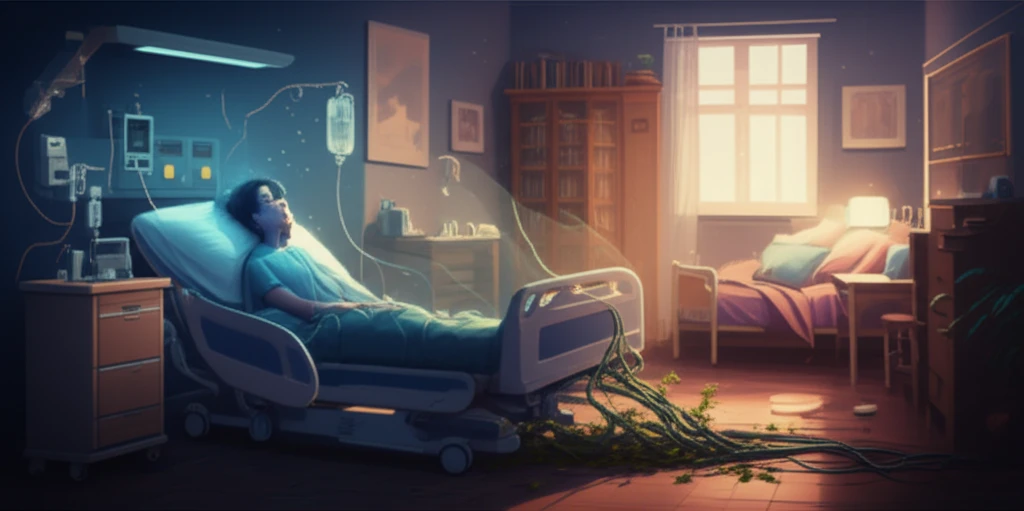
Jane's experience reveals a stark reality: despite the array of medical options available, her choices were increasingly limited. Diagnosed with lymphoma, she spent a significant portion of her life navigating the hospital system, enduring treatments, and grappling with the physical and emotional toll of her illness. The metastasis of her lymphoma, leading to respiratory failure, further complicated her situation, leaving her dependent on a ventilator.
- Loss of Autonomy: Jane's reliance on medical technology confined her to the hospital or long-term care facility, stripping away her ability to make simple choices, such as going home.
- Erosion of Comfort: The sterile environment of medical facilities contrasted sharply with her desire for the familiar comforts of home during her final days.
- Focus on Quantity over Quality: The emphasis on prolonging life overshadowed her need for emotional support and the opportunity to create lasting memories with her daughter.
Reclaiming Humanity in the Face of Medical Progress
Jane's story serves as a powerful reminder that medical progress must be tempered with compassion and a deep respect for individual values. It calls for a shift in perspective, from solely focusing on extending life to prioritizing the quality of that life, particularly in the face of terminal illness.
To truly honor patients like Jane, we must embrace a more holistic approach to healthcare, one that values open communication, shared decision-making, and a willingness to challenge the status quo. This includes exploring options like hospice care, which focuses on providing comfort and support during the final stages of life, allowing patients to spend their remaining days in a familiar and meaningful environment.
Ultimately, Jane's legacy lies in her courage to voice her desires and her unwavering commitment to living life on her own terms. By listening to her story and learning from her experiences, we can strive to create a healthcare system that truly puts patients first, ensuring that medical progress serves to enhance, not diminish, the human experience.