
The Hidden Link: How Trafficking in Persons Fuels HIV Risk and What We Can Do About It

"Unveiling the Complex Relationship Between Human Trafficking and the Spread of HIV in Tanzania: A Deep Dive"
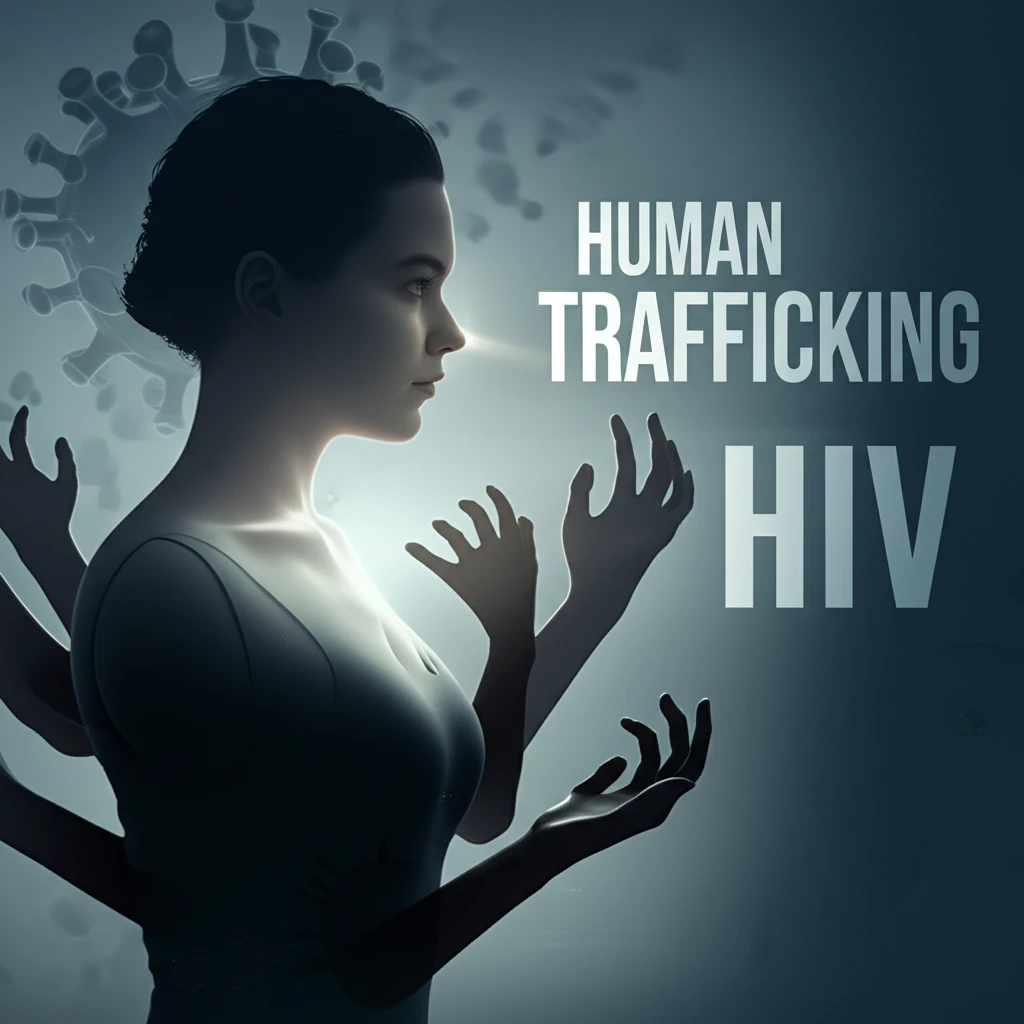
Human trafficking, a global crime affecting millions, often has devastating consequences far beyond the initial act of exploitation. In Tanzania, a country grappling with the challenges of poverty, inequality, and public health crises, the link between trafficking and the spread of HIV is a particularly urgent concern. This article delves into this complex relationship, examining the vulnerabilities of trafficked individuals, the health risks they face, and potential interventions to mitigate these risks.
The magnitude of human trafficking in Tanzania is difficult to ascertain, but the impact on individuals and communities is undeniable. Trafficked persons are often subjected to various forms of exploitation, including forced labor, sexual exploitation, and domestic servitude. These experiences not only violate fundamental human rights but also create conditions that significantly increase the risk of HIV infection and other sexually transmitted infections (STIs).
This exploration draws on research conducted in Tanzania, offering insights into the challenges faced by survivors and the broader implications for public health. By understanding the intricate connections between trafficking and HIV, we can better develop and implement effective strategies to protect vulnerable populations, provide essential support services, and ultimately work towards a future where human dignity is upheld, and health is prioritized.
Understanding the Dual Threat: How Trafficking Elevates HIV Risk
Trafficking in persons creates a perfect storm for HIV transmission. Victims often experience a combination of factors that heighten their vulnerability. These include: forced or coerced sexual activity, exposure to violence, lack of access to healthcare, and living in environments with poor sanitation and hygiene. These conditions undermine their ability to protect themselves from HIV and other infections. Additionally, the trauma associated with trafficking can lead to increased risk-taking behaviors, such as substance abuse, further exacerbating the risk.
- Forced Sexual Activity: Trafficked individuals, particularly those in situations of sexual exploitation, are often subjected to forced sex, increasing their exposure to HIV and other STIs.
- Lack of Access to Healthcare: Trafficked persons often lack access to medical care, including HIV testing, treatment, and prevention services.
- Exploitative Labor Conditions: Poor living and working conditions, including overcrowding, long hours, and exposure to injury and disease, can weaken the immune system and increase vulnerability to infection.
- Substance Abuse: Trafficked individuals may turn to drugs and alcohol as a coping mechanism, increasing their risk of HIV transmission through unsafe injection practices or risky sexual behaviors.
Moving Forward: Strengthening Prevention and Support
The fight against human trafficking and HIV requires a comprehensive approach. This includes strengthening law enforcement, providing support services for survivors, and addressing the underlying social and economic factors that make individuals vulnerable. By investing in education, healthcare, and economic opportunities, and empowering communities, we can create a society where everyone has the opportunity to live a healthy and dignified life. The challenges are significant, but the potential for positive change is even greater.