
The Hidden Dangers in Your Food: Unraveling the Mystery of Aflatoxins and Why You Should Care

"From the Pantry to Your Plate: Discovering the Silent Threat of Aflatoxins and How They Impact Your Health"
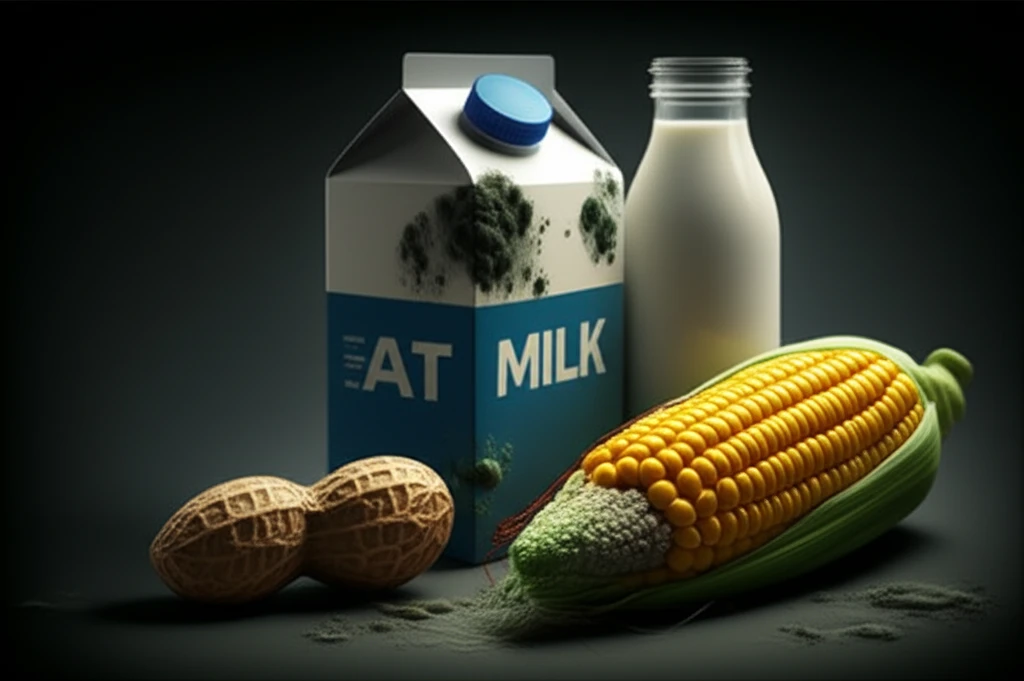
Have you ever paused to consider the journey of your food, from its origins to your plate? We often focus on taste, appearance, and price, but there's an invisible world of potential hazards lurking within. Among these, aflatoxins stand out as particularly insidious threats. These toxins, produced by molds, can contaminate various food products, from staples like peanuts and corn to spices and even dairy products. Despite their prevalence and potency, aflatoxins often remain hidden, making them a significant concern for human health.
This article aims to pull back the curtain on aflatoxins. We'll explore their origins, the science behind their formation, and the potential health implications. Our goal is to empower you with the knowledge to make informed choices and safeguard your well-being. Understanding aflatoxins is not just about scientific jargon; it's about taking control of your health and making choices that align with a longer, healthier life.
As we delve into this complex topic, we'll also highlight the role of regulatory bodies and food safety measures. We'll provide practical advice on how to minimize exposure, enabling you to navigate the food supply with greater confidence. By the end of this exploration, you'll have a clearer understanding of the risks associated with aflatoxins and the steps you can take to protect yourself and your loved ones.
What Are Aflatoxins? Unveiling the Invisible Threat
Aflatoxins are a group of mycotoxins, which are toxic compounds produced by certain molds (fungi) that grow on crops. The primary culprits are molds of the Aspergillus species, particularly Aspergillus flavus and Aspergillus parasiticus. These molds thrive in warm, humid environments and can contaminate a wide range of food products, both during growth and storage. The toxins are not visible to the naked eye and can persist even after the mold is removed, making detection a critical challenge.
- Aflatoxin B1 (AFB1): The most potent and widely studied aflatoxin, frequently found in peanuts, corn, and tree nuts.
- Aflatoxin B2: Similar to AFB1 but less potent.
- Aflatoxin G1 and G2: Often found in grains and other crops.
- Aflatoxin M1 and M2: Metabolites of AFB1 and B2, found in milk and dairy products.
Protecting Yourself: Steps You Can Take
Staying informed is key to minimizing your exposure to aflatoxins. By understanding the risks and taking proactive steps, you can make safer food choices and protect your health. Continued research and vigilance from regulatory bodies will further help in safeguarding our food supply, but individual awareness remains essential. By being informed and taking action, you can reduce your risk and enjoy a healthier life. Consider also supporting research and advocacy efforts related to food safety to help ensure a safer food supply for everyone.