
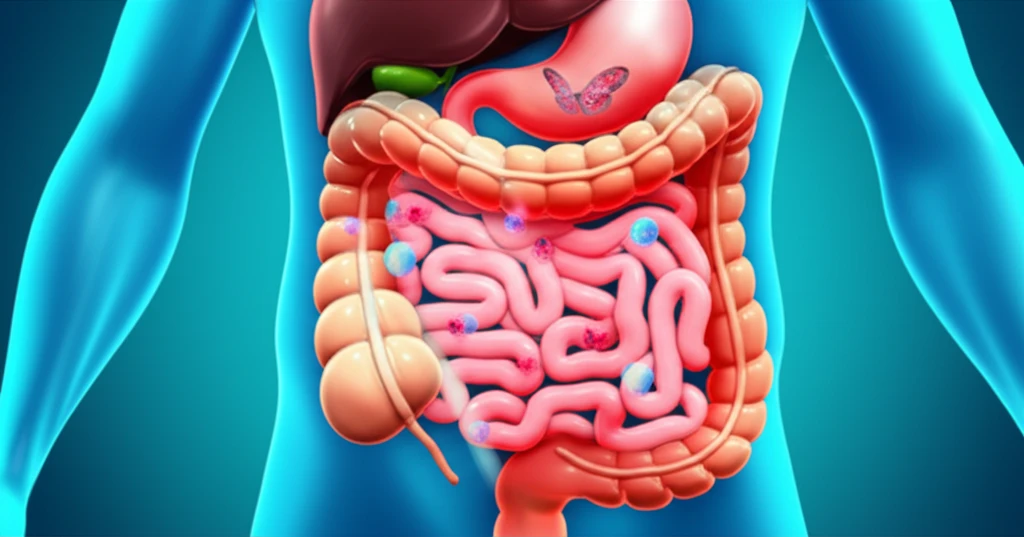
Illustration of the gut-lupus connection, showing a healthy and an inflamed digestive system interacting with the immune system.

The Gut-Lupus Connection: How Your Gut Health Could Be Key to Managing Lupus Symptoms

"Unveiling the intricate link between gut health and systemic lupus erythematosus (SLE), and how understanding this connection can empower women and men to better manage their condition."


In the complex world of autoimmune diseases, systemic lupus erythematosus (SLE), often simply referred to as lupus, stands out as a multifaceted condition. It's a disease where the body's immune system, designed to protect against foreign invaders, mistakenly attacks its own tissues and organs. While lupus can affect anyone, it disproportionately impacts women, making up about 90% of the cases.

As we delve deeper into the intricacies of lupus, new research is spotlighting a critical player in the disease's narrative: the gut. This surprisingly complex link between our digestive system and the immune system is opening up new avenues for understanding and managing lupus. This article will explore the role of gut health in lupus, offering insights and practical advice for those living with the condition.

This article aims to provide a comprehensive overview of the gut-lupus connection. We'll break down the science, explore the latest findings, and offer actionable strategies. Whether you're newly diagnosed or have been managing lupus for years, this article will provide you with valuable knowledge.

Understanding the Gut-Lupus Connection

Illustration of the gut-lupus connection, showing a healthy and an inflamed digestive system interacting with the immune system.

The gut, often called our 'second brain,' is home to trillions of microorganisms, collectively known as the gut microbiota. These bacteria, viruses, fungi, and other microbes play a crucial role in our overall health. They aid in digestion, boost nutrient absorption, and, most importantly, educate and modulate our immune system. When the gut microbiota is balanced, it contributes to a well-functioning immune system. However, when this balance is disrupted, it can lead to inflammation and immune dysfunction. This imbalance, known as dysbiosis, has been implicated in various autoimmune diseases, including lupus.

In lupus, the immune system is constantly on high alert, attacking the body's own cells. This chronic inflammation can be exacerbated by factors like an imbalanced gut microbiota. Recent research suggests that gut dysbiosis can trigger or worsen lupus symptoms. In particular, the gut's permeability (or 'leaky gut') can allow harmful substances, like bacteria and their byproducts, to leak into the bloodstream. This can trigger inflammation throughout the body, potentially worsening lupus flares.

  • Dysbiosis and Inflammation: An imbalance in gut bacteria can lead to chronic inflammation, which is a hallmark of lupus.
  • Leaky Gut: Increased gut permeability allows substances to enter the bloodstream, potentially triggering or worsening lupus symptoms.
  • Immune System Modulation: The gut microbiota plays a key role in training the immune system; imbalances can lead to immune dysregulation.
It is important to note that the exact mechanisms behind the gut-lupus connection are still being studied. However, emerging evidence points to a significant interplay between the gut microbiota, the immune system, and the development and progression of lupus. Further research is needed to fully understand this intricate relationship, but the current findings provide a foundation for exploring potential therapeutic strategies.

Empowering Yourself in the Face of Lupus

The gut-lupus connection highlights the importance of a holistic approach to managing this complex disease. By focusing on gut health, alongside conventional treatments, individuals with lupus can potentially alleviate symptoms and improve their quality of life. As research continues to unveil the intricate links between the gut and autoimmune diseases, it is hoped that we will have even more effective and personalized treatment strategies in the future.

About this Article -

This article was crafted using a human-AI hybrid and collaborative approach. AI assisted our team with initial drafting, research insights, identifying key questions, and image generation. Our human editors guided topic selection, defined the angle, structured the content, ensured factual accuracy and relevance, refined the tone, and conducted thorough editing to deliver helpful, high-quality information.See our About page for more information.

Everything You Need To Know

1

What is systemic lupus erythematosus (SLE) and how is it related to the immune system?

Systemic lupus erythematosus, or lupus, is an autoimmune disease where the body's immune system mistakenly attacks its own tissues and organs. Instead of protecting against foreign invaders, the immune system becomes dysregulated. This immune dysregulation leads to chronic inflammation and can affect various parts of the body, making lupus a complex and multifaceted condition. Its important to note that genetics and environmental factors play a role in lupus.

2

What role does the gut microbiota play in the context of lupus, and what is dysbiosis?

The gut microbiota, comprising trillions of microorganisms in the gut, plays a critical role in overall health, including educating and modulating the immune system. Dysbiosis refers to an imbalance in the gut microbiota. In the context of lupus, dysbiosis can lead to inflammation and immune dysfunction, potentially triggering or worsening lupus symptoms. This is because the gut microbiota helps to train the immune system and keep it in check, when this balance is disrupted, the immune system can become hyperactive and contribute to the autoimmune response seen in lupus.

3

How does increased gut permeability, or 'leaky gut,' potentially worsen lupus symptoms?

Increased gut permeability, or 'leaky gut,' allows harmful substances like bacteria and their byproducts to leak into the bloodstream. In individuals with lupus, this can trigger systemic inflammation, potentially exacerbating lupus flares. The introduction of these substances into the bloodstream activates the immune system, leading to a heightened inflammatory response. Addressing leaky gut through diet and lifestyle changes may help to reduce the trigger of inflammation.

4

What is the significance of the 'gut-lupus connection,' and how can focusing on gut health potentially benefit individuals with lupus?

The 'gut-lupus connection' highlights the intricate relationship between gut health, the immune system, and the development/progression of lupus. By focusing on gut health alongside conventional treatments, individuals with lupus can potentially alleviate symptoms and improve their quality of life. A healthy gut can help to modulate the immune system, reduce inflammation, and prevent harmful substances from entering the bloodstream, all of which can contribute to better disease management. Personalized treatment strategies and interventions may be required to have an effect.

5

Considering the ongoing research into the gut-lupus connection, what future therapeutic strategies might emerge for managing lupus?

As research continues to unveil the intricate links between the gut and autoimmune diseases, it is hoped that more effective and personalized treatment strategies will emerge for managing lupus. Future therapies might include targeted interventions to restore gut microbiota balance, strategies to repair and maintain gut barrier function, and personalized dietary and lifestyle recommendations based on an individual's unique gut microbiome profile. Additionally, a deeper understanding of the specific mechanisms driving the gut-lupus connection could lead to the development of novel drugs that target these pathways, offering more precise and effective treatments for lupus.

Newsletter Subscribe

Subscribe to get the latest articles and insights directly in your inbox.