
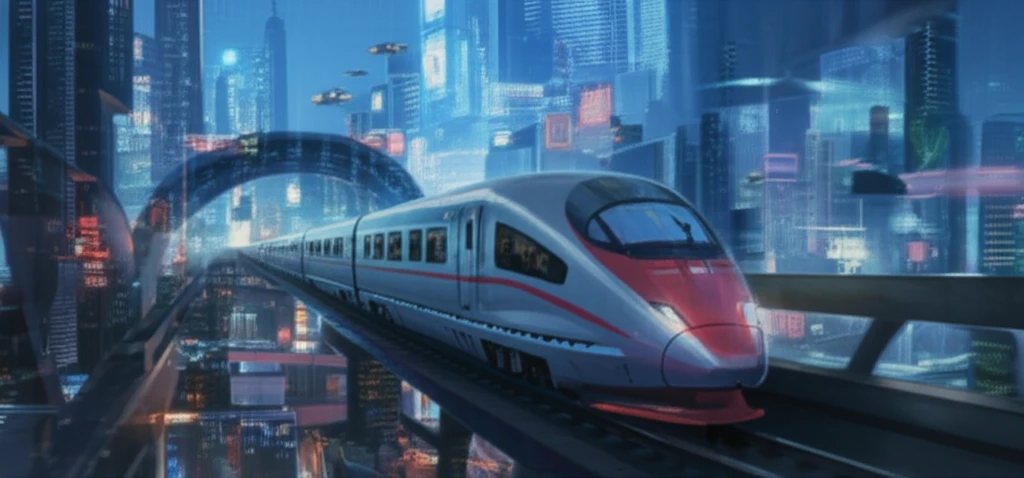
Futuristic high-speed train

The Future of Train Travel: How Logistics are Revolutionizing Passenger Rail

"Discover how modern logistics are making train travel more efficient, comfortable, and reliable for passengers worldwide."


In today's fast-paced world, efficient transportation is more critical than ever. Logistics, traditionally associated with freight, now plays a pivotal role in revolutionizing passenger rail transport. By optimizing processes and integrating technology, logistics is transforming how we experience train travel, making it smoother, more reliable, and more enjoyable.

The relationship between logistics and transport is intertwined. Transport ensures the physical relocation of products and people from one place to another. Logistics elevates this process by incorporating planning, optimization, and real-time management. It's about getting passengers to their destinations efficiently and comfortably, ensuring every aspect of the journey is carefully orchestrated.

Consider logistics as the conductor of an orchestra, where every instrument (train, station, staff, and schedule) must harmonize to create a seamless performance. The goal is to meet and exceed passenger expectations by focusing on punctuality, comfort, safety, and cost-effectiveness. This transformation enhances the overall travel experience and contributes to a more sustainable transportation ecosystem.

What Exactly Does Logistics Do for Passenger Rail?

Futuristic high-speed train

Logistics in passenger rail transport involves a wide array of functions, all geared towards enhancing the efficiency and quality of the travel experience. It goes far beyond merely moving people from point A to point B. It’s about creating a holistic system that addresses every aspect of the journey, from the moment a passenger books a ticket to their arrival at the destination.

Here are the key functions logistics brings to passenger rail:

  • Optimized Scheduling and Routing: Logistics ensures trains run on time and follow the most efficient routes, minimizing delays and maximizing punctuality.
  • Efficient Resource Allocation: It manages the allocation of resources such as trains, staff, and maintenance, ensuring everything is in the right place at the right time.
  • Enhanced Passenger Comfort: Logistics considers passenger comfort by ensuring cleanliness, comfortable seating, and a pleasant environment throughout the journey.
  • Real-time Information and Communication: Passengers are kept informed with real-time updates on schedules, delays, and platform information, enhancing transparency and reducing anxiety.
  • Seamless Integration with Other Transport Modes: Logistics facilitates easy transfers between trains, buses, and other modes of transport, creating a seamless travel chain.
  • Cost-Effectiveness: By optimizing operations and reducing waste, logistics helps to keep ticket prices affordable, making train travel an attractive option for a wider range of passengers.
For example, advanced analytics can predict passenger traffic volume, allowing rail operators to adjust the number of trains and seating capacity accordingly. This prevents overcrowding and ensures a comfortable ride for everyone. Moreover, logistics helps in managing disruptions, such as unexpected delays, by quickly re-routing trains and informing passengers, minimizing the impact of unforeseen events.

All Aboard the Future of Rail!

Modernizing passenger rail through logistics is not just about improving efficiency; it's about enhancing the entire travel experience. By focusing on punctuality, comfort, real-time information, and seamless integration, logistics ensures that train travel remains a competitive and attractive option in the modern transportation landscape. As technology advances and logistics strategies evolve, the future of passenger rail promises to be more efficient, comfortable, and passenger-focused than ever before.

About this Article -

This article was crafted using a human-AI hybrid and collaborative approach. AI assisted our team with initial drafting, research insights, identifying key questions, and image generation. Our human editors guided topic selection, defined the angle, structured the content, ensured factual accuracy and relevance, refined the tone, and conducted thorough editing to deliver helpful, high-quality information.See our About page for more information.

Everything You Need To Know

1

How does logistics improve punctuality and reliability in passenger rail transport?

Logistics optimizes scheduling and routing to ensure trains run on time, minimizing delays. By efficiently managing resources such as trains, staff, and maintenance, logistics ensures everything is in the right place at the right time. Real-time information and communication also play a key role, providing passengers with updates on schedules and delays, which helps reduce anxiety and improve the overall travel experience. These elements work together to significantly enhance punctuality and reliability in passenger rail operations.

2

In what ways does logistics enhance the passenger experience beyond just getting from point A to B?

Logistics in passenger rail goes far beyond simply transporting people. It creates a holistic system that addresses every aspect of the journey. This includes ensuring passenger comfort through cleanliness and comfortable seating, providing real-time information to keep passengers informed, and facilitating seamless integration with other transport modes. Logistics also contributes to cost-effectiveness, which helps keep ticket prices affordable. All these factors combine to make the travel experience smoother, more reliable, and more enjoyable.

3

What are the key functions of logistics in modernizing passenger rail?

The key functions of logistics in modernizing passenger rail include optimized scheduling and routing, efficient resource allocation, enhanced passenger comfort, real-time information and communication, seamless integration with other transport modes, and cost-effectiveness. Logistics ensures trains run on time via the most efficient routes. It manages the allocation of resources like trains, staff, and maintenance and considers passenger comfort. It also keeps passengers informed with real-time updates and facilitates easy transfers with other transport modes while keeping ticket prices affordable.

4

How does logistics contribute to a more sustainable transportation ecosystem in the context of train travel?

By optimizing operations and reducing waste, logistics helps to make train travel more cost-effective. This can lead to lower ticket prices, which in turn, makes train travel more attractive to a wider range of passengers. This shift towards rail can reduce reliance on other transport modes like cars and airplanes, which often have a higher carbon footprint. The improved efficiency of train operations, facilitated by logistics, also minimizes environmental impact, contributing to a more sustainable transportation ecosystem overall. Furthermore, a well-managed system also leads to better resource utilization, which decreases waste.

5

Can you provide an example of how advanced analytics are used within logistics to improve the passenger rail experience?

Advanced analytics play a significant role in logistics by enabling rail operators to predict passenger traffic volume accurately. This prediction allows operators to adjust the number of trains and seating capacity accordingly. The application of advanced analytics prevents overcrowding and ensures a comfortable ride for everyone. Beyond this, logistics also helps in managing disruptions, such as unexpected delays. It does this by quickly re-routing trains and informing passengers, thereby minimizing the impact of unforeseen events and enhancing the overall passenger experience. These proactive measures showcase how technology and data analysis combine to create more efficient and passenger-focused rail services.

Newsletter Subscribe

Subscribe to get the latest articles and insights directly in your inbox.