
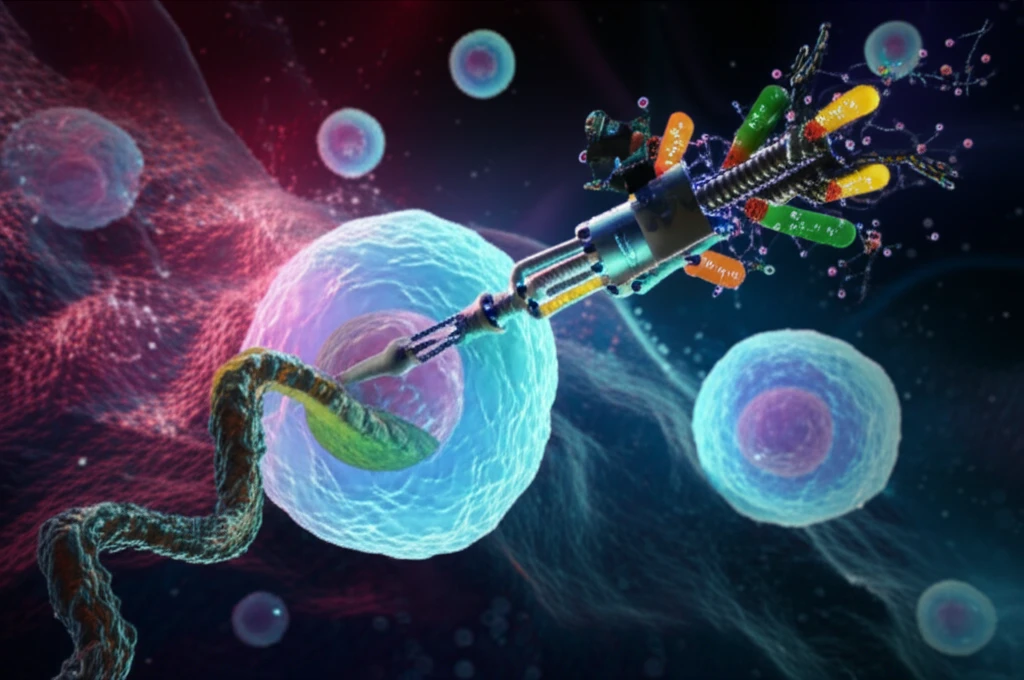
The Future of Medicine? Decoding the Promise and Challenges of siRNA Nanotherapeutics

"From Lab to Life: Exploring How siRNA Technology Could Revolutionize Treatment for Diseases"
The world of medicine is constantly evolving, with scientists and researchers relentlessly pursuing innovative treatments for diseases that have long plagued humanity. Among the most promising advancements is the field of RNA interference (RNAi) therapeutics, particularly small interfering RNA (siRNA) nanotherapeutics. This technology offers a revolutionary approach to treating diseases by targeting and silencing specific genes within the body.
siRNA nanotherapeutics has emerged as a potential game-changer in the medical landscape, offering the potential to treat diseases at their genetic root. By specifically targeting and silencing genes, scientists hope to develop treatments for a wide range of conditions, from cancer and genetic disorders to viral infections.
However, the path from scientific breakthrough to clinical application is rarely smooth. While the potential of siRNA nanotherapeutics is undeniable, numerous challenges must be overcome to realize its full potential. This article will delve into the science behind siRNA, explore its current applications, and examine the hurdles that researchers and clinicians face as they work to translate this promising technology into life-saving treatments.
The Science of Silence: Understanding How siRNA Works
At its core, siRNA technology harnesses the natural processes of RNA interference. RNA interference is a biological process in which RNA molecules inhibit gene expression or translation, by neutralizing targeted mRNA molecules. This method is used in many biological processes, including development, innate immunity, and viral defense.
- Targeted Action: siRNA molecules are designed to specifically target and silence genes, reducing off-target effects.
- Precision: The process of RNA interference allows for precise gene silencing, providing a high degree of control over gene expression.
- Versatility: siRNA technology can be adapted to target a wide range of genes, making it a versatile tool for treating various diseases.
- Potential for Personalized Medicine: The ability to target specific genes opens the door to personalized medicine, where treatments are tailored to an individual's genetic makeup.
The Road Ahead: Overcoming Challenges and Realizing the Promise of siRNA
siRNA nanotherapeutics hold immense promise for the future of medicine, offering the potential to revolutionize the treatment of a wide range of diseases. As research progresses and the challenges of delivery and safety are addressed, this innovative technology may pave the way for new and effective therapies that improve the lives of countless people.