
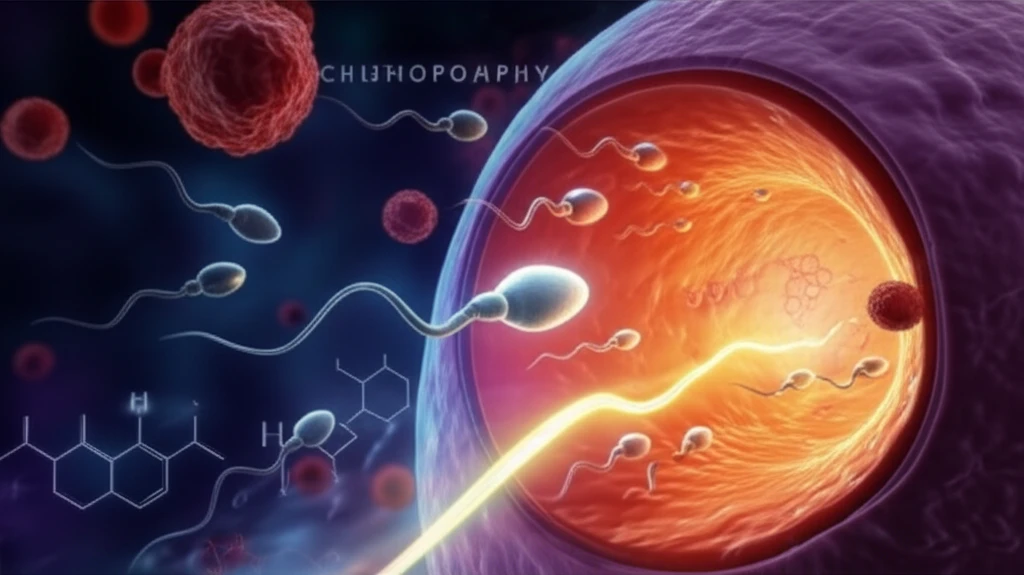
Illustration depicting a microscopic view of a testicle with leukemia cells and chemotherapy symbols.

The Fertility Fight: How Leukemia Can Impact Men's Reproductive Health and What It Means for the Future

"Unpacking the Complex Relationship Between Leukemia, Male Infertility, and the Hope for Future Treatments"


Leukemia, a form of cancer affecting the blood and bone marrow, is a diagnosis that brings fear and uncertainty. While much of the focus is understandably on immediate survival, the long-term effects of leukemia and its treatments can extend to areas often less discussed: fertility. For men, the diagnosis can raise questions about their reproductive health, both during and after treatment.

This article delves into the complex connection between leukemia and male infertility. We'll explore the scientific mechanisms that may be at play, the current challenges faced by men diagnosed with leukemia who want to have children, and the potential for future developments in treatment and fertility preservation.

Understanding the impact of leukemia on male fertility is crucial for informed decision-making. It is important to explore options, discuss concerns with healthcare providers, and plan for the future. We will examine the science of how leukemia and its treatment can disrupt the delicate process of sperm production and highlight the importance of proactive steps and ongoing research.

Deciphering the Science: How Leukemia Affects Sperm Production

Illustration depicting a microscopic view of a testicle with leukemia cells and chemotherapy symbols.

Spermatogenesis, the process by which sperm are produced in the testicles, is a highly regulated process. It is influenced by hormones, the immune system, and the delicate environment within the testes. Leukemia and its treatments can disrupt this process in several ways, leading to decreased sperm production, reduced sperm motility (ability to move), and abnormal sperm morphology (shape).

Leukemia's impact isn't just about the cancer itself. Chemotherapy, radiation, and other treatments used to fight the disease can also damage sperm-producing cells. Moreover, the hormonal imbalances that often occur during leukemia treatment can negatively affect sperm production. These disruptions can be temporary or, in some cases, lead to permanent infertility.

  • Hormonal Imbalance: Leukemia can affect the hormones involved in sperm production (testosterone, FSH, LH).
  • Chemotherapy and Radiation: These treatments can directly damage sperm-producing cells, leading to reduced sperm count and motility.
  • Testicular Environment: Changes in the testicular microenvironment, including inflammation and immune cell activity, can disrupt sperm development.
The research shows that leukemia patients often experience a decline in semen quality. While some studies show similar sperm parameters in cancer patients, other studies show that sperm motility of leukemia patients was the lowest compared to other cancer patients. Further research aims to uncover how leukemia cells directly influence the complex interplay of cells and factors within the testes.

Looking Ahead: Hope for Fertility Preservation and Future Treatments

The journey through leukemia and its effects on fertility can be daunting, but there is hope. Current research focuses on a deeper understanding of the mechanisms by which leukemia affects sperm production and the development of targeted therapies to protect or restore fertility. In the meantime, cryopreservation (sperm banking) offers a valuable option for men who want to preserve their fertility before starting treatment. Ongoing research and advancements in fertility preservation will provide crucial support for men undergoing leukemia treatment. These advancements can help safeguard their ability to father children.

About this Article -

This article was crafted using a human-AI hybrid and collaborative approach. AI assisted our team with initial drafting, research insights, identifying key questions, and image generation. Our human editors guided topic selection, defined the angle, structured the content, ensured factual accuracy and relevance, refined the tone, and conducted thorough editing to deliver helpful, high-quality information.See our About page for more information.

This article is based on research published under:

DOI-LINK: 10.1080/10428194.2018.1533126, Alternate LINK

Title: Leukemia And Male Infertility: Past, Present, And Future

Subject: Cancer Research

Journal: Leukemia & Lymphoma

Publisher: Informa UK Limited

Authors: Yulia Michailov, Eitan Lunenfeld, Joseph Kapelushnik, Mahmoud Huleihel

Published: 2018-12-03

Everything You Need To Know

1

How does leukemia impact a man's ability to have children?

Leukemia and its treatments can significantly affect male fertility by disrupting spermatogenesis, the process of sperm production. Leukemia treatments such as chemotherapy and radiation can directly damage sperm-producing cells, leading to decreased sperm count, reduced sperm motility (the ability of sperm to move properly), and abnormal sperm morphology (shape). Furthermore, hormonal imbalances, specifically affecting testosterone, Follicle-Stimulating Hormone (FSH), and Luteinizing Hormone (LH) during leukemia treatment, can negatively affect sperm production, potentially leading to temporary or permanent infertility.

2

What specific treatments for leukemia pose the greatest risk to male fertility?

Chemotherapy and radiation are the primary treatments for leukemia that pose a significant risk to male fertility. These treatments can directly damage the sperm-producing cells in the testicles, leading to reduced sperm count and motility. The severity of the impact depends on the type and dosage of the treatments, as well as individual factors. Hormonal imbalances stemming from leukemia or its treatment, which impact testosterone, FSH, and LH levels can also play a significant role in fertility issues.

3

What is spermatogenesis, and how does leukemia interfere with this process?

Spermatogenesis is the process by which sperm are produced in the testicles. This highly regulated process is influenced by hormones like testosterone, Follicle-Stimulating Hormone (FSH), and Luteinizing Hormone (LH), the immune system, and the delicate environment within the testes. Leukemia and its treatments, like chemotherapy and radiation, can disrupt this process in several ways. These include hormonal imbalances, direct damage to sperm-producing cells from chemotherapy and radiation, and changes in the testicular microenvironment, leading to decreased sperm production, reduced sperm motility, and abnormal sperm morphology. The interplay of these factors can either temporarily or permanently impair spermatogenesis.

4

What options are available for men with leukemia to preserve their fertility before undergoing treatment?

Cryopreservation, commonly known as sperm banking, offers a valuable option for men who want to preserve their fertility before starting leukemia treatment. This process involves collecting and freezing sperm samples before treatment begins, allowing the man to potentially father children in the future using assisted reproductive technologies like in vitro fertilization (IVF). This is particularly important because treatments like chemotherapy and radiation can cause irreversible damage to sperm-producing cells. Consulting with fertility specialists to explore and understand this option is crucial for informed decision-making.

5

What future advancements in leukemia treatment and fertility preservation offer hope for men diagnosed with leukemia?

Current research focuses on a deeper understanding of the mechanisms by which leukemia affects spermatogenesis and the development of targeted therapies to protect or restore fertility. Ongoing research and advancements in fertility preservation techniques also offer hope for men undergoing leukemia treatment. These advancements aim to minimize the harmful effects of treatments like chemotherapy and radiation on sperm-producing cells, potentially leading to the development of protective agents or therapies that can be administered alongside leukemia treatments. This will provide crucial support for men undergoing leukemia treatment, safeguarding their ability to father children.

Newsletter Subscribe

Subscribe to get the latest articles and insights directly in your inbox.