
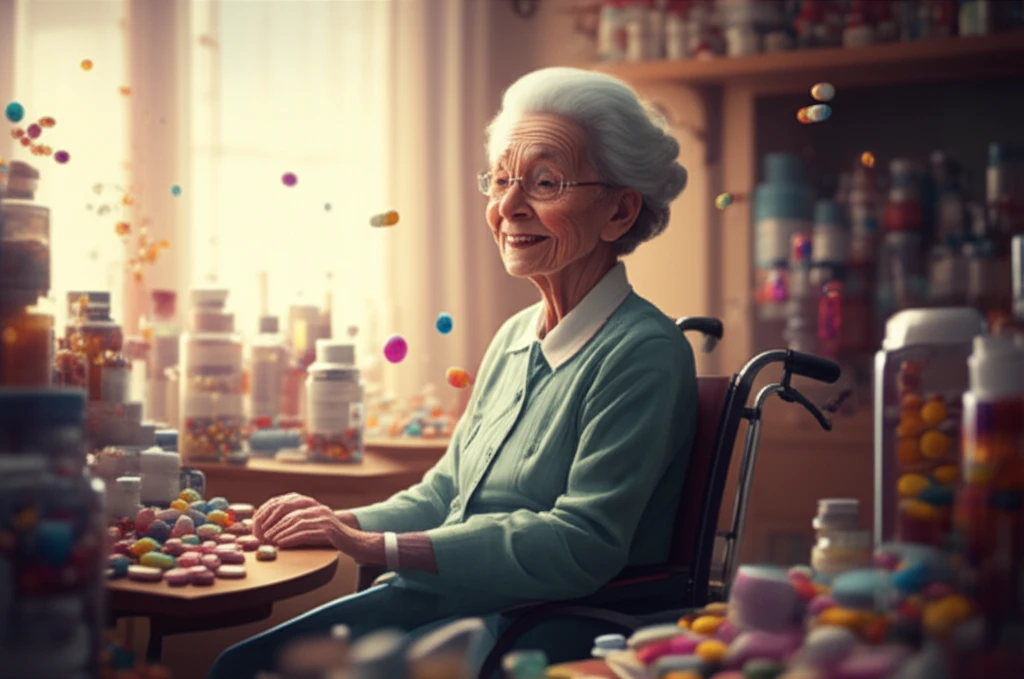
The Elderly & Their Meds: A Guide to Safe Prescriptions in Long-Term Care

"Navigating Medication Safety: How to Protect Elderly Loved Ones from Potentially Harmful Prescriptions"
As we age, our bodies undergo changes that can make us more vulnerable to medication side effects. This is especially true for elderly individuals residing in long-term care facilities, where multiple medications (polypharmacy) are often prescribed to manage various health conditions. However, this can increase the risk of potentially inappropriate medications (PIMs) and dangerous drug interactions (PHDIs), impacting their health and well-being.
This article delves into the crucial aspects of medication safety for the elderly, focusing on identifying and mitigating the risks associated with PIMs and PHDIs. We'll explore the prevalence of these issues, the factors that contribute to them, and the vital role of pharmaceutical interventions in promoting safer, more effective treatment plans. This information will assist you in understanding the challenges, advocating for loved ones, and ensuring the highest quality of care.
This is a deep dive into a complex but crucial topic, with the goal of empowering readers with the knowledge and tools they need to advocate for the medication safety of their elderly loved ones. We'll discuss the importance of health professionals, pharmaceutical interventions, and the changes needed to protect the health of the elderly.
Understanding the Risks: PIMs, PHDIs, and Polypharmacy
In long-term care settings, the elderly often take numerous medications. While each drug might address a specific health issue, the combination can create new problems. PIMs are medications where the risks of use outweigh the benefits, often leading to adverse drug reactions (ADRs). PHDIs occur when two or more drugs interact, increasing side effects or reducing effectiveness.
- Beers Criteria: Developed by a panel of experts, Beers Criteria identifies drugs to avoid in older adults due to potential risks.
- World Health Organization (WHO) Guidelines: These guidelines help identify and classify drug interactions based on severity and potential harm.
- Risk Factors: Several factors contribute to PIM and PHDI, including: multiple health conditions, prescribing cascade (new drugs prescribed to treat side effects of other drugs), and lack of medication review.
Empowering a Safer Future
Ensuring medication safety for the elderly requires ongoing vigilance, education, and collaboration between healthcare professionals, caregivers, and the elderly themselves. By understanding the risks, advocating for regular medication reviews, and supporting pharmaceutical interventions, we can significantly improve the quality of life for our aging loved ones. This proactive approach not only protects their health but also promotes their independence and overall well-being. Remember, knowledge is power, and in this case, it's the power to protect the health and safety of those we care for most.