
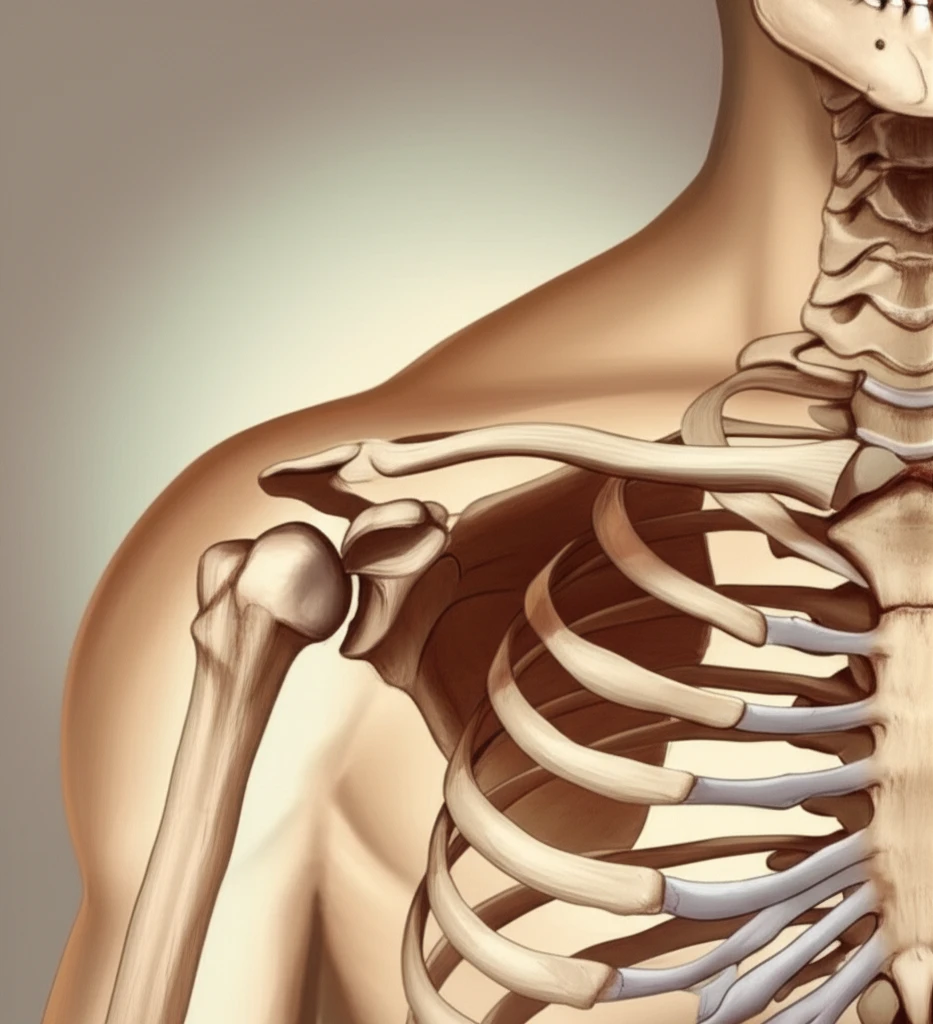
Illustration of clavicle duplication showing a split or duplicated collarbone, showcasing the medical condition.

The Clavicle Conundrum: Decoding Clavicle Duplication After Injury

"Unraveling the Mysteries of a Rare Skeletal Variation: Causes, Symptoms, and Management of Clavicle Duplication"


Ever heard of a bone in your shoulder duplicating itself? While it sounds like something out of a science fiction movie, it's a real, albeit rare, phenomenon known as clavicle duplication. This condition, where a person has an extra or split collarbone, often arises following an injury, particularly in children. This article delves into the intricacies of clavicle duplication, providing an in-depth understanding of its causes, symptoms, diagnosis, and available treatment options.

Clavicle duplication isn't just a quirky medical anomaly; it presents unique challenges and considerations for those affected. Often triggered by trauma, this condition can manifest in various ways, impacting the shoulder's structure and function. Understanding the nuances of this condition is crucial for effective management and ensuring the best possible outcomes for those who experience it.

This comprehensive guide aims to demystify clavicle duplication, offering a clear and accessible explanation of the condition. We'll explore the science behind it, the experiences of those affected, and the latest advancements in treatment. Whether you're a patient, a healthcare professional, or simply curious, this article will equip you with the knowledge you need to navigate this intriguing and often misunderstood condition.

What is Clavicle Duplication? Unveiling the Science Behind the Condition

Illustration of clavicle duplication showing a split or duplicated collarbone, showcasing the medical condition.

Clavicle duplication refers to a condition where an individual has an extra or split clavicle (collarbone). This can manifest in several forms, including a completely separate second clavicle or a split in the existing clavicle. While the exact cause isn't always clear, it's often linked to trauma, particularly during the bone's development in childhood. The clavicle is unique because it undergoes a complex ossification process, making it vulnerable to unusual formations during injury. The condition is rare, with only a limited number of cases reported, making it a subject of considerable interest in medical circles.

The collarbone, or clavicle, is essential for supporting the shoulder and arm, playing a critical role in everyday movements. When a duplication occurs, it can alter the shoulder's structure and function. While some individuals may not experience any symptoms, others might face discomfort, limited range of motion, or cosmetic concerns. The severity of the symptoms often depends on the extent of the duplication and the specific impact on the shoulder joint.

  • Bifurcation: This is when the clavicle splits into two parts.
  • Complete Duplication: This is when there is a fully formed second clavicle.
  • Fusion Issues: Sometimes, the duplicated clavicle may fuse with other bones in the shoulder area.
Understanding the different types of clavicle duplication is crucial for diagnosis and treatment. These variations affect how the shoulder functions and influence the approach medical professionals take to manage the condition. The rarity of clavicle duplication makes each case a unique puzzle, requiring tailored care based on individual circumstances and symptoms.

Living with Clavicle Duplication: A Path to Recovery and Well-being

Clavicle duplication, though rare, is a condition that can be successfully managed with the right approach. From understanding the causes and recognizing the symptoms to seeking appropriate medical care, there's a clear path to recovery and improved quality of life. By staying informed, proactive, and connected with medical professionals, individuals with clavicle duplication can regain shoulder function and live fulfilling lives. Continued research and advancements in medical understanding promise even better outcomes for this fascinating condition.

About this Article -

This article was crafted using a human-AI hybrid and collaborative approach. AI assisted our team with initial drafting, research insights, identifying key questions, and image generation. Our human editors guided topic selection, defined the angle, structured the content, ensured factual accuracy and relevance, refined the tone, and conducted thorough editing to deliver helpful, high-quality information.See our About page for more information.

This article is based on research published under:

DOI-LINK: 10.1007/s00276-018-2151-9, Alternate LINK

Title: Clavicle Duplication Following Physeal Injury

Subject: Radiology, Nuclear Medicine and imaging

Journal: Surgical and Radiologic Anatomy

Publisher: Springer Science and Business Media LLC

Authors: Sedat Giray Kandemirli, Feyza Kabar, Guzin Cakir Kandemirli, Nadide Basak Gulleroglu, Zeynep Yazici

Published: 2018-12-08

Everything You Need To Know

1

What is Clavicle Duplication, and how does it manifest in the body?

Clavicle duplication is a rare condition where an individual has an extra or split clavicle, also known as the collarbone. This can present in several forms. One is complete duplication, where a fully formed second clavicle exists. Another is bifurcation, where the clavicle splits into two parts. It can also manifest as fusion issues, where the duplicated clavicle may fuse with other bones in the shoulder area. The manifestation depends on the specifics of the injury and the individual's bone development. Each case is unique, affecting the shoulder's structure and function differently.

2

What causes Clavicle Duplication, and why is it often linked to childhood injuries?

The exact cause of clavicle duplication isn't always clear. However, it is frequently linked to trauma, especially during the bone's development in childhood. The clavicle undergoes a complex ossification process, making it vulnerable to unusual formations during injury. This makes the condition more likely to occur in children, although it can affect individuals of any age. The impact and nature of the injury play a crucial role in triggering this condition, particularly when it interferes with the normal bone growth process.

3

How does Clavicle Duplication impact the shoulder's structure and function, and what symptoms might one experience?

Clavicle duplication can alter the shoulder's structure and function because the clavicle, or collarbone, is essential for supporting the shoulder and arm, playing a critical role in everyday movements. The impact varies depending on the duplication type. Individuals might not experience any symptoms. Others might face discomfort, limited range of motion, or cosmetic concerns. The severity of symptoms often depends on the extent of the duplication and its specific impact on the shoulder joint, highlighting the individualized nature of this condition.

4

What are the different types of Clavicle Duplication, and how do these variations influence treatment approaches?

There are several types of clavicle duplication, including bifurcation (split clavicle), complete duplication (fully formed second clavicle), and fusion issues (duplicated clavicle fusing with other bones). Understanding these variations is crucial for diagnosis and treatment because they affect how the shoulder functions. Each case presents unique challenges. Medical professionals tailor care based on individual circumstances and symptoms, requiring a comprehensive understanding of the specific form of duplication present.

5

What can individuals with Clavicle Duplication expect in terms of recovery and long-term well-being?

Individuals with clavicle duplication can successfully manage their condition with the right approach. This includes understanding the causes, recognizing symptoms, and seeking appropriate medical care. While the details of recovery depend on the severity and type of duplication, the path to recovery involves regaining shoulder function and improving quality of life. Continued research and advancements in medical understanding promise even better outcomes, emphasizing the importance of staying informed and connected with medical professionals for proactive management.

Newsletter Subscribe

Subscribe to get the latest articles and insights directly in your inbox.