
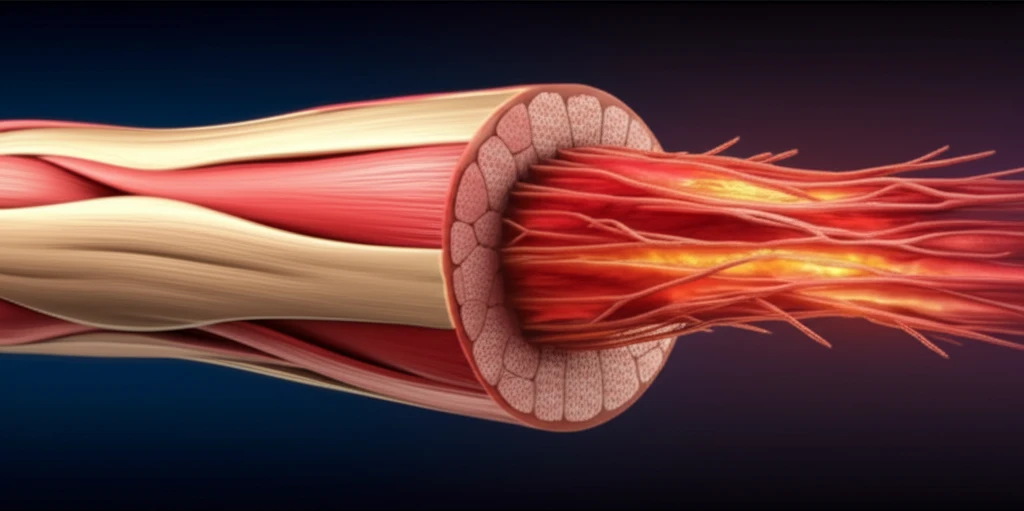
Illustration comparing healthy tendon tissue with tendinitis and tendinosis damage.

Tendinopathy: Decoding the Pain – Understanding the Differences Between Tendinitis and Tendinosis

"Unraveling the Mysteries of Tendon Pain: Why Knowing the Difference Matters for Your Recovery and Well-being."


Tendon pain can be a debilitating issue, often sidelining us from the activities we love. But did you know that not all tendon issues are created equal? The terms 'tendinitis' and 'tendinosis' are frequently used interchangeably, yet they represent distinct conditions with different underlying causes and, importantly, require different approaches to treatment. Understanding the difference is critical to effective management and recovery, allowing you to get back to your active lifestyle sooner.

This article aims to demystify these conditions, providing clarity on the key distinctions between tendinitis and tendinosis. We'll explore their causes, symptoms, and the most appropriate treatment options. This knowledge empowers you to make informed decisions about your health and work with healthcare professionals to receive the best possible care.

Whether you're an athlete, a weekend warrior, or someone experiencing everyday aches and pains, this information is for you. By understanding the nuances of tendinopathy, you can take proactive steps toward healing, preventing future injuries, and maintaining optimal tendon health.

Tendinitis vs. Tendinosis: What's the Real Difference?

Illustration comparing healthy tendon tissue with tendinitis and tendinosis damage.

The core difference lies in the nature of the problem. Tendinitis is characterized by inflammation of the tendon. It often arises from acute overload or sudden, excessive force on the tendon. Think of it as a response to micro-tears that occur when the tendon is pushed beyond its current capacity. On the other hand, tendinosis represents degeneration of the tendon. It's a chronic condition resulting from repetitive overuse and the failure of the tendon to heal properly over time. This leads to structural changes within the tendon, weakening it and making it more susceptible to further injury.

While both conditions cause pain and discomfort, their underlying mechanisms differ significantly. Recognizing these differences is crucial for healthcare professionals in making accurate diagnoses and prescribing effective treatment plans. Misdiagnosis can lead to ineffective treatments, prolonging suffering and potentially worsening the condition.

  • Tendinitis: Inflammation of the tendon due to acute overload.
  • Tendinosis: Degeneration of the tendon due to chronic overuse.
  • Treatment: Tendinitis focuses on reducing inflammation. Tendinosis aims to promote healing and restore tendon structure.
It's also worth noting that the prevalent belief that tendinitis always precedes tendinosis is increasingly challenged by research. While tendinitis may sometimes occur alongside tendinosis, evidence suggests that tendinosis often exists without active inflammation. This understanding shifts the focus toward addressing the underlying degenerative changes in the tendon to achieve lasting relief.

Take Charge of Your Tendon Health

By understanding the distinctions between tendinitis and tendinosis, you can take proactive steps to protect your tendon health. Whether you're seeking treatment or looking to prevent future issues, informed decision-making is key. Consult with healthcare professionals, follow recommended treatment plans, and prioritize proper care to ensure optimal tendon health and a return to an active, pain-free life.

About this Article -

This article was crafted using a human-AI hybrid and collaborative approach. AI assisted our team with initial drafting, research insights, identifying key questions, and image generation. Our human editors guided topic selection, defined the angle, structured the content, ensured factual accuracy and relevance, refined the tone, and conducted thorough editing to deliver helpful, high-quality information.See our About page for more information.

Everything You Need To Know

1

What is the fundamental difference between tendinitis and tendinosis, and why is it important to differentiate between them?

The core difference lies in the nature of the tendon issue. Tendinitis is characterized by inflammation of the tendon, often resulting from acute overload or sudden excessive force. Tendinosis, on the other hand, involves the degeneration of the tendon due to chronic overuse and the tendon's failure to heal properly over time. Distinguishing between them is crucial because tendinitis treatment focuses on reducing inflammation, while tendinosis treatment aims to promote healing and restore tendon structure. Misdiagnosis can lead to ineffective treatments and prolonged suffering.

2

How does acute overload contribute to tendinitis, and what type of activities are more likely to cause it?

Acute overload, or sudden excessive force on a tendon, can cause micro-tears, leading to inflammation, which characterizes tendinitis. Activities that involve sudden bursts of high-impact or unaccustomed strain are more likely to cause tendinitis. Examples include sprinting, heavy lifting without proper warm-up, or a sudden increase in exercise intensity. Engaging in activities that push the tendon beyond its current capacity without adequate preparation or conditioning heightens the risk of developing tendinitis.

3

What role does chronic overuse play in the development of tendinosis, and what are the long-term consequences if left unaddressed?

Chronic overuse is a primary factor in the development of tendinosis. When a tendon is subjected to repetitive strain over an extended period, it may fail to heal correctly, leading to structural changes and degeneration within the tendon. This degeneration weakens the tendon, making it more susceptible to further injury and chronic pain. If left unaddressed, tendinosis can lead to a decreased range of motion, persistent discomfort, and an increased risk of tendon rupture, significantly impacting one's ability to perform daily activities and participate in sports.

4

Is it always the case that tendinitis precedes tendinosis, and how has recent research changed our understanding of this relationship?

The traditional belief that tendinitis always precedes tendinosis is increasingly challenged by research. While tendinitis may sometimes occur alongside tendinosis, evidence suggests that tendinosis often exists without active inflammation. This understanding shifts the focus toward addressing the underlying degenerative changes in the tendon to achieve lasting relief, rather than solely focusing on reducing inflammation. Therefore, treatments should be tailored to address the specific condition present, whether it is primarily inflammation (tendinitis) or degeneration (tendinosis).

5

What proactive steps can individuals take to protect their tendon health, and how does understanding the difference between tendinitis and tendinosis empower them in this process?

Individuals can take several proactive steps to protect their tendon health, including proper warm-up before exercise, gradual increases in exercise intensity, using appropriate techniques, and ensuring adequate rest and recovery. Understanding the difference between tendinitis and tendinosis empowers individuals to make informed decisions about their care. For example, someone with tendinitis may focus on reducing inflammation through rest and ice, while someone with tendinosis may prioritize exercises that promote tendon healing and strengthening. Consulting with healthcare professionals and following recommended treatment plans are also key to maintaining optimal tendon health and preventing future issues.

Newsletter Subscribe

Subscribe to get the latest articles and insights directly in your inbox.