
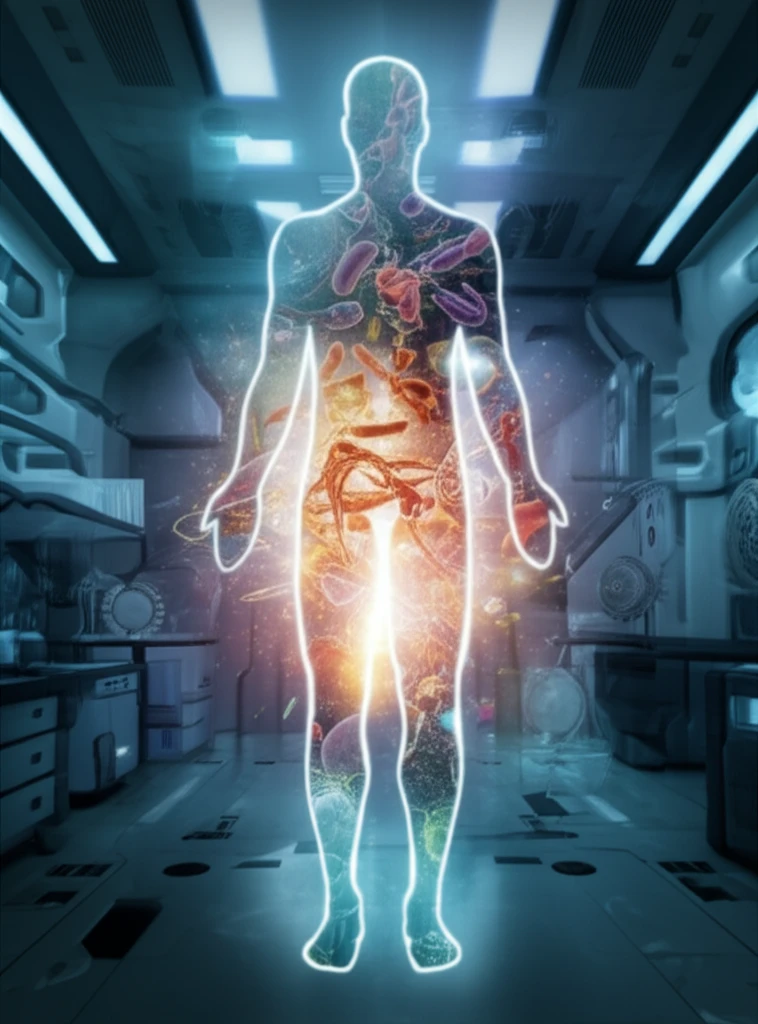
Glowing silhouette filled with galaxies of bacteria, representing the microbiome.

Tech Tackles the Tiny: How Microbe Research is Revolutionizing Health

"IBM and Google Dive Deep into the Microbiome to Unlock New Treatments for Autoimmune Diseases and More"


Our bodies are home to trillions of bacteria, fungi, viruses, and other microorganisms, collectively known as the microbiome. This complex ecosystem plays a crucial role in our health, influencing everything from digestion and immunity to mental well-being. Scientists are only beginning to understand the intricate relationships between the microbiome and various diseases, but the potential for groundbreaking discoveries is immense.

Recently, tech giants like IBM and Google have joined the quest to unravel the secrets of the microbiome. With their vast computing power and innovative approaches, they are accelerating research and paving the way for new diagnostic tools and therapies. These efforts promise to transform how we understand and treat a wide range of conditions.

This article explores the cutting-edge research being conducted by IBM, Google, and other institutions, highlighting the potential impact of microbiome studies on autoimmune diseases, diabetes, cancer, and beyond. We'll delve into the methods used, the challenges faced, and the exciting possibilities that lie ahead.

Decoding the Microbiome: What's the Big Deal?

Glowing silhouette filled with galaxies of bacteria, representing the microbiome.

The human microbiome is incredibly diverse, with each person hosting a unique community of microorganisms. This community is shaped by various factors, including genetics, diet, environment, and lifestyle. While some microbes are harmful, the vast majority are beneficial, helping us digest food, synthesize vitamins, and fight off pathogens.

When the balance of the microbiome is disrupted—a state known as dysbiosis—it can lead to a variety of health problems. Autoimmune diseases, such as type 1 diabetes, Crohn's disease, and ulcerative colitis, have been linked to specific changes in the gut microbiome. Researchers are now exploring how to restore a healthy balance and potentially prevent or treat these conditions.

  • Digestive Health: The microbiome aids in breaking down complex carbohydrates and synthesizing essential nutrients.
  • Immune Function: It helps train the immune system to distinguish between harmless and harmful invaders.
  • Mental Health: Emerging research suggests a connection between the gut microbiome and brain function, influencing mood and behavior.
  • Disease Prevention: A balanced microbiome can protect against infections and reduce the risk of chronic diseases.
Understanding these multifaceted roles is at the heart of microbiome research, driving the efforts of companies like IBM to delve deeper into the genetic makeup and interactions of these microbial communities.

The Future of Microbiome Medicine: A Promising Horizon

As research continues and technology advances, the field of microbiome medicine holds immense promise. Personalized therapies tailored to an individual's unique microbial profile could become a reality, offering more effective and targeted treatments for a wide range of diseases. From preventing autoimmune disorders to enhancing mental well-being, the potential benefits are vast.

About this Article -

This article was crafted using a human-AI hybrid and collaborative approach. AI assisted our team with initial drafting, research insights, identifying key questions, and image generation. Our human editors guided topic selection, defined the angle, structured the content, ensured factual accuracy and relevance, refined the tone, and conducted thorough editing to deliver helpful, high-quality information.See our About page for more information.

Everything You Need To Know

1

What is the human microbiome?

The human microbiome is a complex ecosystem within our bodies comprising trillions of bacteria, fungi, viruses, and other microorganisms. This ecosystem plays a vital role in our health, impacting digestion, immunity, and mental well-being. It's incredibly diverse, shaped by factors like genetics, diet, environment, and lifestyle. The microbiome is the focus of groundbreaking research aimed at understanding its intricate relationships with various diseases, with companies like IBM and Google leading the charge to unlock new treatments.

2

Why are IBM and Google important in this research?

IBM and Google are significant because they are leveraging their vast computing power and innovative approaches to accelerate microbiome research. They are developing new diagnostic tools and therapies by diving deep into the genetic makeup and interactions of microbial communities. Their involvement is crucial because it provides the resources and technological expertise needed to analyze the complex data generated by microbiome studies, which in turn helps pave the way for a deeper understanding of how to treat autoimmune diseases, diabetes, and cancer.

3

What is dysbiosis and what does it mean for health?

Dysbiosis is when there's a disruption in the balance of the microbiome. This imbalance can lead to various health problems, including autoimmune diseases like type 1 diabetes, Crohn's disease, and ulcerative colitis. Research suggests that restoring a healthy balance in the microbiome could potentially prevent or treat these conditions by influencing the immune system and reducing inflammation.

4

How does the microbiome affect our health?

The microbiome impacts health through multiple ways, including digestive health, immune function, mental health, and disease prevention. Specifically, it aids in breaking down complex carbohydrates and synthesizing essential nutrients, trains the immune system, influences mood and behavior, and protects against infections. Understanding these multifaceted roles drives research by IBM and other institutions as they try to uncover new methods to treat various diseases.

5

What does the future of microbiome medicine look like?

Personalized therapies tailored to an individual's unique microbial profile represent the future of microbiome medicine. This approach holds immense promise for providing more effective and targeted treatments for a wide range of diseases. It involves analyzing an individual's microbiome to identify specific imbalances or vulnerabilities and then developing treatments that restore a healthy microbial balance. This could lead to more effective prevention and treatment of autoimmune disorders, diabetes, and other chronic diseases, potentially enhancing mental well-being as well.

Newsletter Subscribe

Subscribe to get the latest articles and insights directly in your inbox.