
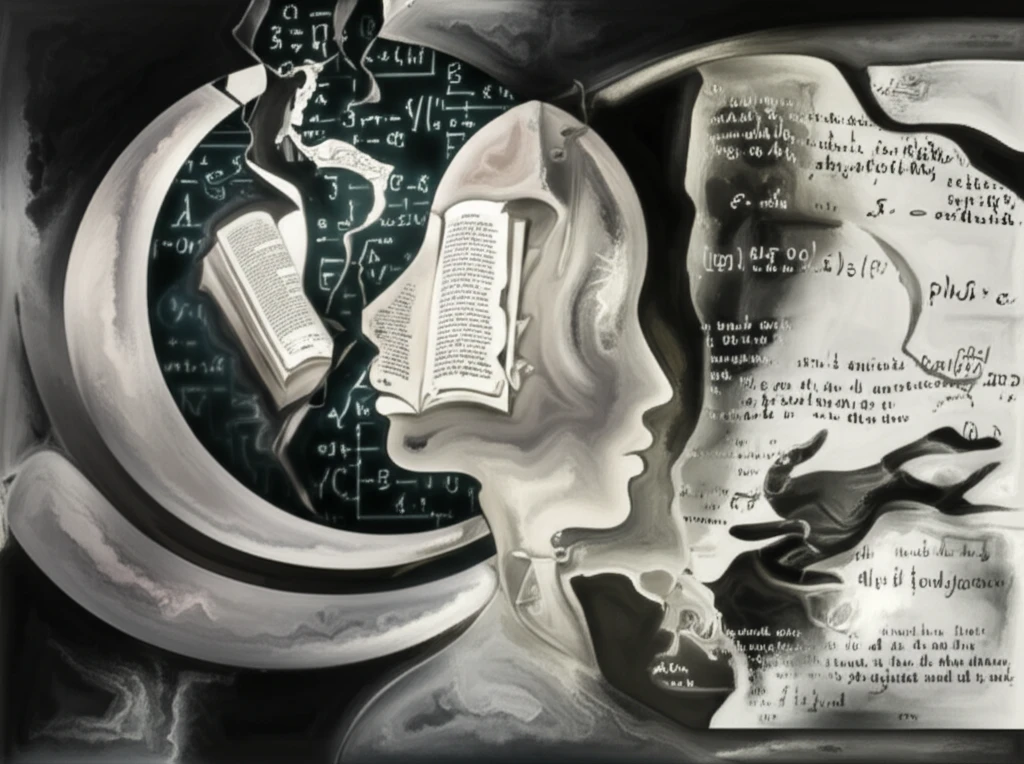
Surreal illustration representing memory and forgetting in Chilean history.

Teaching Recent History in Chile: Navigating Dissent and Building Consensus

"Explore strategies for educators to tackle sensitive topics from Chile's political transition, fostering critical thinking and respect in the classroom."


Teaching recent history, especially events surrounding political transitions, presents unique challenges for educators. In Chile, the transition to democracy in the late 20th century involved navigating deeply entrenched political divides and differing perspectives on the past. This article addresses these challenges, offering strategies for teachers to foster critical thinking and promote respectful dialogue in the classroom.

The role of the Ministry of Education in shaping historical narratives is also crucial. By analyzing the educational materials and textbooks, we can understand the intended message and potential biases, offering insights into how these materials influence pedagogical approaches. Understanding these influences is key to fostering a balanced and comprehensive understanding of Chilean history.

This article explores these issues, proposing educational strategies that empower teachers to tackle controversial topics. By focusing on values, human rights, and respect for diverse perspectives, educators can create a learning environment that encourages critical engagement with the past and promotes tolerance and understanding.

Bridging the Divide: Memory, Forgetting, and the Historian's Role

Surreal illustration representing memory and forgetting in Chilean history.

The tension between remembering and forgetting is central to understanding how history is taught and perceived. Philosopher Friedrich Nietzsche argued that both remembering and forgetting are necessary for a healthy understanding of the past. However, when forgetting overshadows memory, it can lead to a distorted or incomplete understanding of historical events.

In the context of Chile's transition to democracy, the construction of historical memory became a sensitive issue. The educational materials produced during this period aimed to create consensus, sometimes at the expense of acknowledging dissenting voices or alternative perspectives. This can lead to a homogenized version of history that overlooks the complexities and nuances of the past.

  • Acknowledge Multiple Perspectives: Encourage students to explore different viewpoints and interpretations of historical events.
  • Promote Critical Thinking: Help students analyze sources critically and identify potential biases.
  • Foster Dialogue: Create a safe and respectful space for students to share their thoughts and engage in constructive discussions.
To counter the dangers of selective memory or imposed forgetting, it's essential to foster a critical approach to history. Drawing on the work of historians like Eric Hobsbawm, who cautioned against the manipulation of history for nationalistic purposes, educators can empower students to engage with the past in a nuanced and informed way. This involves incorporating diverse voices, examining the social and political context of events, and promoting a deeper understanding of human rights and values.

Empowering Students to Shape the Future Through Historical Understanding

Teaching recent history requires a commitment to fostering critical thinking, promoting empathy, and creating a space for open dialogue. By acknowledging multiple perspectives, encouraging critical analysis, and connecting historical events to contemporary issues, educators can empower students to become informed and engaged citizens.

The strategies outlined in this article offer a starting point for educators seeking to navigate the complexities of teaching recent history in Chile. By embracing a human rights framework, prioritizing values-based education, and fostering a culture of respect and tolerance, teachers can help students develop a deeper understanding of the past and its relevance to the present.

Ultimately, the goal is to equip students with the tools they need to analyze historical narratives, challenge dominant perspectives, and contribute to a more just and equitable future. By fostering a critical and engaged approach to history, we can empower the next generation to shape a more inclusive and democratic society.

About this Article -

This article was crafted using a human-AI hybrid and collaborative approach. AI assisted our team with initial drafting, research insights, identifying key questions, and image generation. Our human editors guided topic selection, defined the angle, structured the content, ensured factual accuracy and relevance, refined the tone, and conducted thorough editing to deliver helpful, high-quality information.See our About page for more information.

This article is based on research published under:

DOI-LINK: 10.4067/s0718-07052013000100023, Alternate LINK

Title: El Aporte De La Enseñanza De La Historia Reciente En Chile: Disensos Y Consensos Desde La Transición Política Al Siglo Xxi

Subject: General Medicine

Journal: Estudios pedagógicos (Valdivia)

Publisher: SciELO Agencia Nacional de Investigacion y Desarrollo (ANID)

Authors: Patricio Rivera O, Carlos Mondaca R

Published: 2013-01-01

Everything You Need To Know

1

What are the main challenges in teaching recent Chilean history, especially concerning the transition to democracy?

Teaching Chilean history, particularly events surrounding the transition to democracy, involves navigating entrenched political divides and differing perspectives. Educators need strategies to promote critical thinking and respectful dialogue to address these issues effectively. Consider the influence of the Ministry of Education and historical narratives.

2

How does the Ministry of Education influence the teaching of history in Chile, and what are the implications?

The Ministry of Education in Chile plays a crucial role in shaping historical narratives through educational materials and textbooks. Analyzing these resources can reveal intended messages and potential biases, which subsequently influence teaching methods. Recognizing these influences is crucial for developing a comprehensive understanding of Chilean history.

3

What role do 'remembering' and 'forgetting' play in understanding Chile's historical memory, particularly after the transition to democracy?

Friedrich Nietzsche argued that both remembering and forgetting are essential for understanding the past, but forgetting can lead to a distorted view of historical events. In Chile's transition to democracy, constructing historical memory became sensitive, where consensus sometimes overshadowed dissenting voices, potentially creating a homogenized version of history.

4

According to historians like Eric Hobsbawm, how can educators foster a critical approach to history and avoid manipulation for nationalistic purposes?

To promote a critical approach to history, incorporate diverse voices, and examine the social and political context of events. Eric Hobsbawm cautioned against manipulating history for nationalistic purposes. Drawing on his insights, educators can empower students to engage with the past in a nuanced and informed way, deepening their understanding of human rights and values. Acknowledging multiple perspectives, promoting critical analysis and dialogue are key.

5

What specific strategies can educators use to bridge political divides and promote a balanced understanding of Chile's past in the classroom?

Strategies include acknowledging multiple perspectives by exploring different viewpoints on historical events, promoting critical thinking by helping students analyze sources for biases, and fostering dialogue to create a safe space for sharing thoughts and constructive discussions. When implemented, these strategies create a balanced and comprehensive historical education.

Newsletter Subscribe

Subscribe to get the latest articles and insights directly in your inbox.