
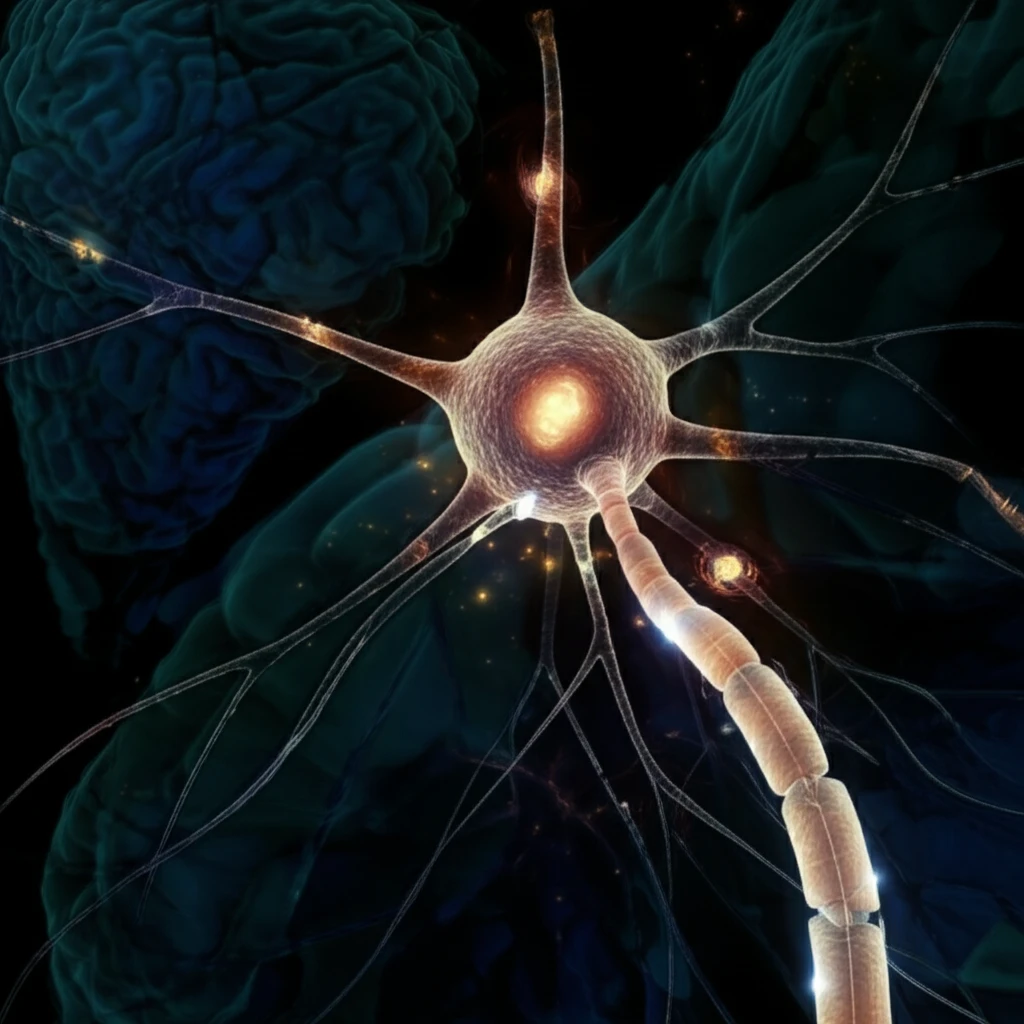
Illustration of a neuron with healthy and misfolded tau protein, symbolizing the complexity of neurodegenerative diseases.

Tau Protein's Misfolding Mystery: Unraveling the Differing Folds in Neurodegenerative Diseases

"New research sheds light on how the tau protein folds differently in various neurodegenerative diseases, paving the way for targeted therapies."


Neurodegenerative diseases, including Alzheimer's disease, are a growing global health concern, affecting millions worldwide. At the heart of many of these conditions lies a common culprit: the tau protein. While tau protein plays a crucial role in stabilizing microtubules within neurons, its misfolding and aggregation can lead to devastating consequences.

Recent research has illuminated a critical aspect of tau protein behavior: it folds differently depending on the specific neurodegenerative disease in question. This discovery, published in Nature Reviews Neurology, marks a significant step forward in understanding the complexities of these diseases and opens new avenues for targeted therapeutic interventions.

This article will delve into the nuances of tau protein misfolding, exploring its implications for disease progression and highlighting the potential for innovative treatment strategies. By understanding the specific folds of tau in different diseases, researchers hope to develop therapies that can precisely target and correct these abnormalities.

The Role of Tau Protein in Healthy Neurons

Illustration of a neuron with healthy and misfolded tau protein, symbolizing the complexity of neurodegenerative diseases.

In healthy neurons, tau protein acts as a vital stabilizer for microtubules, which are essential components of the cell's cytoskeleton. Microtubules serve as tracks for transporting nutrients, organelles, and other crucial substances throughout the neuron. Tau binds to these microtubules, maintaining their structural integrity and ensuring efficient cellular transport.

However, in neurodegenerative diseases, tau protein undergoes a transformation, detaching from microtubules and misfolding. This misfolding leads to the formation of toxic aggregates known as neurofibrillary tangles, which disrupt neuronal function and eventually lead to cell death.

  • Normal Tau: Stabilizes microtubules, aiding in intracellular transport.
  • Misfolded Tau: Detaches from microtubules, forming toxic aggregates.
  • Neurofibrillary Tangles: Disrupt neuronal function, leading to cell death.
The accumulation of neurofibrillary tangles is a hallmark of Alzheimer's disease and other tauopathies, highlighting the critical role of tau misfolding in disease pathogenesis. Understanding why and how tau misfolds is essential for developing effective treatments.

Future Directions: Targeted Therapies for Tauopathies

The discovery that tau protein folds differently in various neurodegenerative diseases offers a promising avenue for developing targeted therapies. By identifying the specific folds associated with each disease, researchers can design molecules that selectively bind to and correct these aberrant structures. This approach holds the potential to prevent or reverse the formation of neurofibrillary tangles, slowing down or halting disease progression.

About this Article -

This article was crafted using a human-AI hybrid and collaborative approach. AI assisted our team with initial drafting, research insights, identifying key questions, and image generation. Our human editors guided topic selection, defined the angle, structured the content, ensured factual accuracy and relevance, refined the tone, and conducted thorough editing to deliver helpful, high-quality information.See our About page for more information.

This article is based on research published under:

DOI-LINK: 10.1038/s41582-018-0089-5, Alternate LINK

Title: Publisher Correction: Tau Folds Differently Between Diseases

Subject: Cellular and Molecular Neuroscience

Journal: Nature Reviews Neurology

Publisher: Springer Science and Business Media LLC

Authors: Ian Fyfe

Published: 2018-10-09

Everything You Need To Know

1

What is the normal function of tau protein in healthy neurons?

The tau protein is crucial for stabilizing microtubules within neurons, which are essential for intracellular transport. Tau protein binds to microtubules, maintaining their structure and ensuring efficient movement of nutrients and organelles throughout the neuron. Without normal Tau function cellular transport is disrupted.

2

What happens to tau protein in neurodegenerative diseases like Alzheimer's?

In neurodegenerative diseases, tau protein detaches from microtubules and misfolds, leading to the formation of toxic aggregates known as neurofibrillary tangles. These tangles disrupt neuronal function and eventually lead to cell death. The accumulation of neurofibrillary tangles is a hallmark of diseases like Alzheimer's.

3

What is the significance of the discovery that tau protein folds differently in various neurodegenerative diseases?

Recent research indicates that tau protein folds differently depending on the specific neurodegenerative disease. This discovery is significant because it suggests that targeted therapies can be developed to address the specific tau folds associated with each disease, potentially preventing or reversing the formation of neurofibrillary tangles.

4

What are targeted therapies for tauopathies, and how do they work?

Targeted therapies aim to selectively bind to and correct the aberrant structures of misfolded tau protein. By identifying the specific folds associated with each disease, researchers can design molecules that prevent or reverse the formation of neurofibrillary tangles. This approach holds the potential to slow down or halt the progression of neurodegenerative diseases.

5

What are neurofibrillary tangles, and why are they important in neurodegenerative diseases?

Neurofibrillary tangles are toxic aggregates formed by misfolded tau protein. These tangles disrupt neuronal function, leading to cell death. The accumulation of neurofibrillary tangles is a key characteristic of Alzheimer's disease and other tauopathies, highlighting the critical role of tau misfolding in disease development. Therefore this is a key research area.

Newsletter Subscribe

Subscribe to get the latest articles and insights directly in your inbox.