
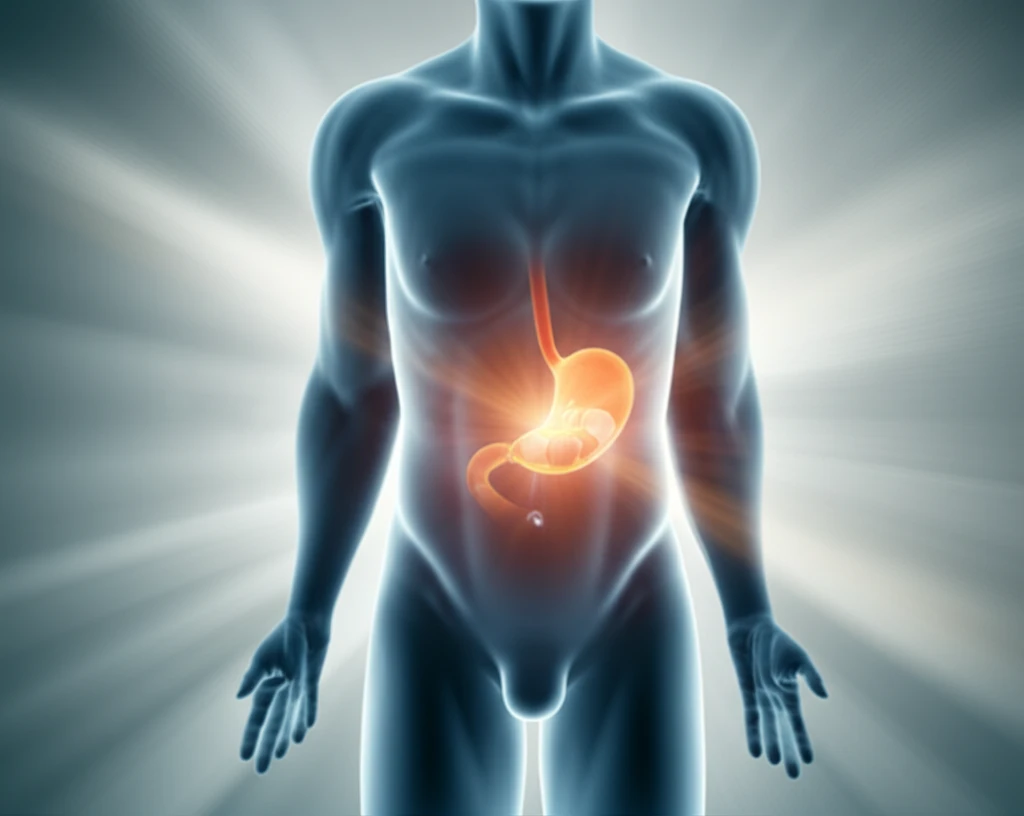
Illustration depicting digestive health and relief from functional dyspepsia, with rays of light symbolizing well-being.

Taming Tummy Troubles: How Rabeprazole and Itopride Bring Relief to Functional Dyspepsia Sufferers

"New Research Reveals Promising Treatments for Persistent Digestive Discomfort, Offering Hope for Millions"


Feeling bloated, experiencing stomach pain, or struggling with early fullness after meals? You're not alone. Functional dyspepsia (FD), a common digestive disorder, plagues a significant portion of the population. Characterized by persistent or recurrent upper abdominal symptoms, FD can significantly impact your quality of life. Fortunately, ongoing research is paving the way for more effective treatments.

This article dives into a groundbreaking study conducted in Japan, which compared two medications: rabeprazole (RPZ), a proton pump inhibitor (PPI), and itopride (ITO), a prokinetic agent. The study's goal was to evaluate the therapeutic effects of these drugs in individuals suffering from FD. We'll explore the study's findings, shedding light on how these medications work and their potential to provide much-needed relief.

Understanding the nature of FD and the available treatment options is crucial for those seeking to manage their symptoms. This article will guide you through the intricacies of the study, explaining the key findings and their implications. Whether you're personally affected by FD or simply curious about the latest advancements in digestive health, this exploration offers valuable insights.

Unpacking Functional Dyspepsia: What You Need to Know

Illustration depicting digestive health and relief from functional dyspepsia, with rays of light symbolizing well-being.

Functional dyspepsia, often referred to as FD, is a condition characterized by persistent or recurring symptoms originating in the upper abdomen. Unlike many other digestive issues, FD doesn't have a clear underlying structural cause. Instead, it's associated with a range of symptoms that can significantly disrupt daily life. The Rome III criteria, widely used for diagnosis, classify FD into two main categories: postprandial distress syndrome (PDS) and epigastric pain syndrome (EPS).

PDS is characterized by early satiety and postprandial fullness, meaning you feel full quickly after eating or experience a prolonged sense of fullness. EPS, on the other hand, involves epigastric pain (pain in the upper abdomen) and/or burning sensations. The specific symptoms you experience can help guide your healthcare provider in determining the best course of action.

  • Postprandial Distress Syndrome (PDS): Characterized by early satiety (feeling full quickly) and postprandial fullness (prolonged feeling of fullness after meals).
  • Epigastric Pain Syndrome (EPS): Marked by epigastric pain (pain in the upper abdomen) and/or burning sensations.
  • Overlap: Some individuals experience a combination of both PDS and EPS symptoms.
The causes of FD are complex, involving factors such as abnormal gastric emptying, visceral hypersensitivity, and issues with the autonomic nervous system. Current treatments often include lifestyle adjustments, dietary modifications, and medications aimed at addressing the specific symptoms. This new study explores two such medications, rabeprazole (RPZ) and itopride (ITO), offering new avenues for relief.

A Brighter Outlook for Digestive Health

The findings from this Japanese study offer a promising outlook for individuals struggling with functional dyspepsia. While more research is always needed, the comparison of rabeprazole and itopride provides valuable insights into effective treatment strategies. If you are experiencing symptoms of FD, consult with your healthcare provider to discuss the best course of action for your specific needs. With ongoing research and a growing understanding of digestive disorders, relief is within reach.

About this Article -

This article was crafted using a human-AI hybrid and collaborative approach. AI assisted our team with initial drafting, research insights, identifying key questions, and image generation. Our human editors guided topic selection, defined the angle, structured the content, ensured factual accuracy and relevance, refined the tone, and conducted thorough editing to deliver helpful, high-quality information.See our About page for more information.

This article is based on research published under:

DOI-LINK: 10.3164/jcbn.16-106, Alternate LINK

Title: A Multicenter Randomized Trial Comparing Rabeprazole And Itopride In Patients With Functional Dyspepsia In Japan: The Nagoya Study

Subject: Clinical Biochemistry

Journal: Journal of Clinical Biochemistry and Nutrition

Publisher: The Society for Free Radical Research Japan

Authors: Takeshi Kamiya, Michiko Shikano, Eiji Kubota, Tsutomu Mizoshita, Tsuneya Wada, Satoshi Tanida, Hiromi Kataoka, Hiroshi Adachi, Makoto Hirako, Noriaki Okuda, Takashi Joh

Published: 2017-01-01

Everything You Need To Know

1

What is functional dyspepsia (FD), and how does it differ from other digestive issues with identifiable structural causes?

Functional dyspepsia (FD) is a common digestive disorder characterized by persistent or recurrent upper abdominal symptoms. Unlike other digestive issues, FD does not have a clear underlying structural cause. Symptoms of FD can significantly disrupt daily life. The Rome III criteria classify FD into two main categories: postprandial distress syndrome (PDS), characterized by early satiety and postprandial fullness, and epigastric pain syndrome (EPS), involving epigastric pain and/or burning sensations. While the precise causes of FD are complex, it can involve factors such as abnormal gastric emptying, visceral hypersensitivity, and issues with the autonomic nervous system. Treatments often include lifestyle adjustments, dietary modifications, and medications aimed at addressing specific symptoms. This is unlike some other digestive disorders that may be linked to ulcers or tumors.

2

How do rabeprazole (RPZ) and itopride (ITO) work differently to alleviate symptoms of functional dyspepsia?

Rabeprazole (RPZ) is a proton pump inhibitor (PPI) that works by reducing the production of stomach acid. This can help alleviate symptoms like epigastric pain and burning sensations, especially in individuals with epigastric pain syndrome (EPS). Itopride (ITO), on the other hand, is a prokinetic agent. Prokinetic agents enhance gastric emptying and gastrointestinal motility, helping to relieve symptoms like early satiety and postprandial fullness, typical of postprandial distress syndrome (PDS). The medications offer unique mechanisms to manage FD by addressing different underlying physiological processes.

3

What are the two main categories of functional dyspepsia (FD) as defined by the Rome III criteria, and how do their symptoms differ?

According to the Rome III criteria, functional dyspepsia (FD) is classified into two main categories: postprandial distress syndrome (PDS) and epigastric pain syndrome (EPS). Postprandial distress syndrome (PDS) is characterized by early satiety (feeling full quickly) and postprandial fullness (a prolonged feeling of fullness after meals). Epigastric pain syndrome (EPS) is marked by epigastric pain (pain in the upper abdomen) and/or burning sensations. Some individuals may experience an overlap of both PDS and EPS symptoms, and understanding these differences is important to guide diagnosis and treatment decisions.

4

Besides rabeprazole (RPZ) and itopride (ITO), what other treatment approaches are commonly used to manage functional dyspepsia (FD)?

Besides rabeprazole (RPZ) and itopride (ITO), common treatment approaches for functional dyspepsia (FD) often include lifestyle adjustments and dietary modifications. Dietary modifications may include avoiding trigger foods, eating smaller, more frequent meals, and reducing fat intake. Lifestyle adjustments can involve stress management techniques, regular exercise, and ensuring adequate sleep. Other medications, such as antacids or anti-depressants, may also be prescribed based on individual symptoms and needs. While not mentioned, alternative treatments may be used. It's important to consult with a healthcare provider for a personalized treatment plan.

5

What should individuals experiencing persistent digestive discomfort do to determine if rabeprazole (RPZ) or itopride (ITO) might be a suitable treatment option for them?

Individuals experiencing persistent digestive discomfort should consult with a healthcare provider to determine the most appropriate treatment plan. The healthcare provider will evaluate their symptoms, medical history, and conduct necessary examinations to diagnose the specific type of functional dyspepsia (FD), whether it's postprandial distress syndrome (PDS), epigastric pain syndrome (EPS), or a combination of both. Based on this assessment, the healthcare provider can determine if rabeprazole (RPZ), which reduces stomach acid production, or itopride (ITO), which enhances gastric emptying, or other treatments are suitable. Self-medication is not advisable, and a proper medical evaluation is crucial for effective management.

Newsletter Subscribe

Subscribe to get the latest articles and insights directly in your inbox.