
Sweet Potato Leaves: A Natural Antibacterial Powerhouse

Sweet Potato Leaves: The Unexpected Superfood for Gut Health and Immunity?

"Discover the science-backed benefits of sweet potato leaves, from fighting bacteria to boosting your body's natural defenses."


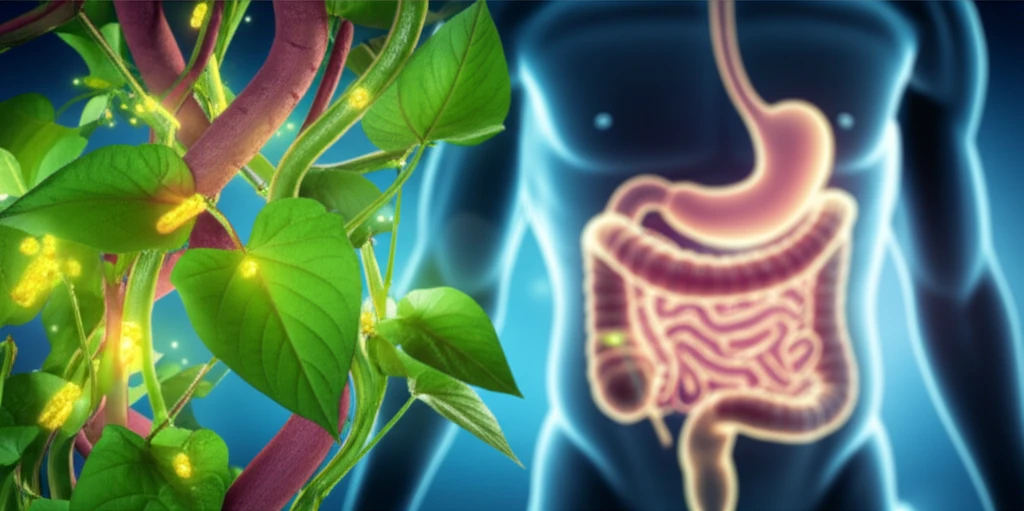
In a world increasingly focused on natural health solutions, the sweet potato emerges not just as a tasty root vegetable, but as a source of potential wellness benefits that can promote a health gut. While the sweet potato itself is celebrated for its nutritional value, its leaves often go unnoticed and discarded. However, emerging research suggests that these humble leaves may hold a key to enhancing gut health and boosting immunity.

Sweet potato leaves are packed with polyphenols, a type of antioxidant known for its health-promoting properties. These compounds, including anthocyanins and phenolic acids, have been shown to combat harmful bacteria and reduce inflammation, making them a natural ally in the quest for a balanced gut microbiome and overall well-being.

This article delves into the groundbreaking research exploring the antibacterial effects of sweet potato leaves. We'll explore how these leaves can protect your health, offering insights into their potential to revolutionize the way we approach diet and healthcare.

The Science-Backed Benefits: How Sweet Potato Leaves Fight Bacteria and Boost Immunity

Sweet Potato Leaves: A Natural Antibacterial Powerhouse

A study published in the journal 'Revista Ceres' investigated the antibacterial properties of sweet potato leaf extracts. The researchers tested different extracts from fresh sweet potato leaves against common foodborne bacteria, including Salmonella Enteritidis, Staphylococcus aureus, and Escherichia coli. The goal was to determine the effectiveness of these extracts in combating harmful bacteria and to correlate these effects with the levels of polyphenols and anthocyanins present in the leaves.

The results of the study revealed that alcoholic extracts from sweet potato leaves exhibited significant antibacterial activity. These extracts were able to inhibit or inactivate all the tested bacteria. Interestingly, extracts obtained through decoction and infusion methods showed minimal to no antibacterial activity, suggesting that the active compounds are better preserved through alcoholic extraction. This process likely preserves the integrity and potency of the delicate polyphenols responsible for the antibacterial effects.

  • Polyphenols and Anthocyanins: The researchers found a strong positive correlation between the concentration of polyphenols and anthocyanins in the extracts and their antibacterial activity. This suggests that these compounds are key players in the leaves' ability to fight off harmful bacteria.
  • Different Extraction Methods Matter: Alcoholic extracts proved far more effective than water-based methods like decoction and infusion, highlighting the importance of extraction techniques in harnessing the leaves' beneficial compounds.
  • Resistance Varies: While the extracts showed activity against all tested bacteria, Staphylococcus aureus was notably more resistant, indicating that different bacteria respond differently to the compounds found in sweet potato leaves.
These findings align with other research highlighting the health benefits of polyphenols and anthocyanins. These compounds are known for their antioxidant properties, which help protect the body against damage from free radicals. The antibacterial activity of sweet potato leaves adds another layer to their potential health benefits, suggesting they could be a valuable addition to a diet focused on promoting gut health and boosting immunity.

Embrace the Power of Sweet Potato Leaves for a Healthier You

The research on sweet potato leaves underscores the potential of natural remedies in supporting gut health and boosting immunity. By incorporating sweet potato leaves into your diet, you may be able to harness the antibacterial properties of these humble leaves, contributing to a healthier gut microbiome and overall well-being. As research continues to unfold, sweet potato leaves may emerge as a superfood. It's important to consult with healthcare professionals for personalized dietary advice. This information serves as education, not medical advice.

About this Article -

This article was crafted using a human-AI hybrid and collaborative approach. AI assisted our team with initial drafting, research insights, identifying key questions, and image generation. Our human editors guided topic selection, defined the angle, structured the content, ensured factual accuracy and relevance, refined the tone, and conducted thorough editing to deliver helpful, high-quality information.See our About page for more information.

This article is based on research published under:

DOI-LINK: 10.1590/0034-737x201562050001, Alternate LINK

Title: Avaliação Do Efeito Antibacteriano De Extratos De Folhas De Batata-Doce (Ipomoea Batatas L. Frente A Bactérias De Interesse Em Alimentos E Correlação Com Os Compostos Fenólicos

Subject: General Agricultural and Biological Sciences

Journal: Revista Ceres

Publisher: FapUNIFESP (SciELO)

Authors: António Elísio José, Heloisa Helena Chaves Carvalho, José Maria Wiest

Published: 2015-10-01

Everything You Need To Know

1

What makes sweet potato leaves a potential superfood for gut health and immunity?

Sweet potato leaves contain polyphenols, including anthocyanins and phenolic acids, which have antibacterial and anti-inflammatory properties. These compounds can help combat harmful bacteria and promote a balanced gut microbiome, supporting overall well-being and boosting the body's natural defenses.

2

How effective are sweet potato leaves against different types of bacteria?

Research indicates that alcoholic extracts from sweet potato leaves can inhibit or inactivate bacteria like Salmonella Enteritidis, Staphylococcus aureus, and Escherichia coli. However, Staphylococcus aureus showed more resistance compared to the other tested bacteria, suggesting that the effectiveness can vary depending on the specific type of bacteria.

3

Why are alcoholic extracts of sweet potato leaves more effective than other extraction methods?

Alcoholic extraction methods are more effective because they better preserve the integrity and potency of the polyphenols and anthocyanins present in sweet potato leaves. Decoction and infusion, which are water-based methods, showed minimal antibacterial activity, suggesting that these methods may not efficiently extract or preserve the beneficial compounds.

4

What is the significance of polyphenols and anthocyanins in sweet potato leaves for antibacterial activity?

Polyphenols and anthocyanins are key compounds in sweet potato leaves that contribute to their antibacterial activity. There is a strong positive correlation between the concentration of these compounds in the extracts and their ability to fight off harmful bacteria. These compounds also possess antioxidant properties, protecting the body against damage from free radicals and further enhancing their health benefits.

5

How can incorporating sweet potato leaves into my diet potentially improve my health, and what considerations should I keep in mind?

Incorporating sweet potato leaves into your diet may support a healthier gut microbiome and boost overall immunity due to their antibacterial properties from polyphenols and anthocyanins. However, it is important to consult with healthcare professionals for personalized dietary advice. Note that the effectiveness of these leaves depends on the extraction method used to harness their beneficial compounds, with alcoholic extracts showing better results than water-based methods like decoction or infusion. More research is ongoing to fully understand the potential benefits and optimal ways to integrate sweet potato leaves into a balanced diet.

Newsletter Subscribe

Subscribe to get the latest articles and insights directly in your inbox.