
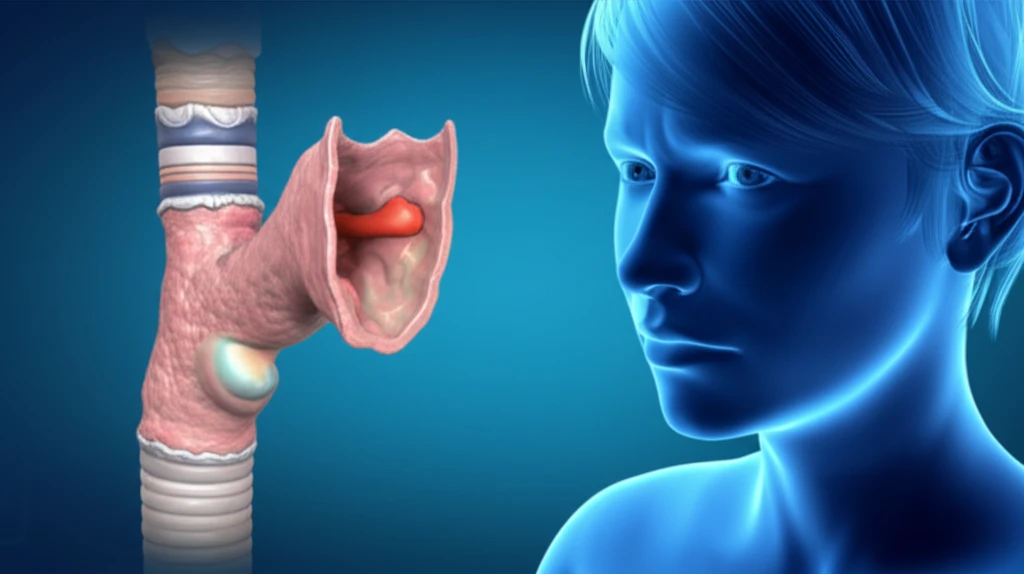
Illustration of a trachea with a diverticulum and a person experiencing dysphagia.

Swallowing Struggles: Unveiling the Rare Mystery of Tracheal Diverticulum

"When Dysphagia Isn't What You Think: A Deep Dive into a Rare Medical Condition."


Imagine struggling to swallow your food, not knowing why. For some, this distressing symptom, known as dysphagia, can be attributed to various causes. Among the less common culprits is a condition called tracheal diverticulum, a rare anomaly that can significantly impact one's ability to eat and drink comfortably.

Tracheal diverticulum involves small, air-filled pouches that develop in the paratracheal area, near the trachea or windpipe. These pouches, while often benign, can sometimes cause symptoms like dysphagia. This article delves into the details of this condition, exploring its causes, diagnostic methods, and available treatments.

This is not a common ailment, so understanding it can be difficult. This article aims to clarify what tracheal diverticulum is, how it's diagnosed, and what the typical course of action is when dealing with it. The article includes what a person can do to find out about this condition.

What is a Tracheal Diverticulum? Decoding the Rare Cause of Dysphagia

Illustration of a trachea with a diverticulum and a person experiencing dysphagia.

Tracheal diverticula are essentially small, air-filled sacs or pouches that form in the paratracheal region, which is the area around the trachea. The pouches can be singular or multiple. While they are generally harmless, they can lead to uncomfortable symptoms, particularly difficulties with swallowing.

The causes of tracheal diverticulum can vary. Some individuals may be born with this condition, which is referred to as congenital. Alternatively, the condition can be acquired later in life due to other factors. Diagnosis often involves imaging techniques, such as a CT scan, to visualize the pouches. In terms of treatment, surgical resection is the standard method to address this problem.

  • Defining Tracheal Diverticulum: Understanding these rare, air-filled pouches near the trachea.
  • Dysphagia's Connection: Exploring the link between diverticula and swallowing difficulties.
  • Diagnostic Methods: Highlighting the role of imaging, like CT scans.
  • Treatment Strategies: Surgical intervention and the typical course of action.
The most typical symptom is dysphagia. However, individuals with the condition may not know what is wrong. Because of the location, the size, and the potential for airway compression, diagnosis and treatment depend on the patient and their specific health. Prompt diagnosis and intervention are crucial in managing this unusual condition.

Navigating Tracheal Diverticulum: Seeking Support and Finding Answers

If you or someone you know is experiencing symptoms of dysphagia, particularly if they persist or worsen, it's crucial to consult with a healthcare professional. While tracheal diverticulum is rare, early diagnosis and appropriate treatment can significantly improve quality of life. This article has provided valuable information; always seek professional medical advice for any health concerns.

About this Article -

This article was crafted using a human-AI hybrid and collaborative approach. AI assisted our team with initial drafting, research insights, identifying key questions, and image generation. Our human editors guided topic selection, defined the angle, structured the content, ensured factual accuracy and relevance, refined the tone, and conducted thorough editing to deliver helpful, high-quality information.See our About page for more information.

This article is based on research published under:

DOI-LINK: 10.1177/0218492318813786, Alternate LINK

Title: Tracheal Diverticulum As A Rare Cause Of Dysphagia

Subject: Cardiology and Cardiovascular Medicine

Journal: Asian Cardiovascular and Thoracic Annals

Publisher: SAGE Publications

Authors: Hina Inam, Ibrahim Zahid, Saulat Fatimi

Published: 2018-11-11

Everything You Need To Know

1

What exactly is a tracheal diverticulum?

A tracheal diverticulum is a rare condition characterized by the presence of small, air-filled sacs or pouches that develop in the paratracheal region, which is the area surrounding the trachea (windpipe). These pouches can be singular or multiple. While they are generally harmless, they can sometimes lead to uncomfortable symptoms, most notably, difficulties with swallowing, a condition known as dysphagia. The implications of a tracheal diverticulum depend largely on its size and location, and whether it compresses nearby structures.

2

How is a tracheal diverticulum typically diagnosed?

Diagnosis of a tracheal diverticulum often involves imaging techniques. A CT scan is a standard method used to visualize the pouches in the paratracheal region. These imaging techniques allow healthcare professionals to accurately identify and assess the size, location, and characteristics of the diverticulum, which is essential for determining the appropriate course of treatment. Without such imaging, it would be very difficult to differentiate tracheal diverticulum from other causes of dysphagia.

3

What are the primary treatment options for tracheal diverticulum, and why is surgical resection mentioned?

Surgical resection is the standard treatment for tracheal diverticulum when intervention is necessary. This involves the surgical removal of the air-filled pouch or sacs. Surgical intervention becomes necessary when the tracheal diverticulum causes significant symptoms such as dysphagia. The decision to proceed with surgical resection depends on various factors, including the size and location of the diverticulum, the severity of symptoms, and the overall health of the individual. Other, less invasive, treatment options may be available, such as monitoring the diverticulum if it is small and not causing significant symptoms.

4

Dysphagia is a key symptom, but what other complications might arise from a tracheal diverticulum?

While dysphagia (difficulty swallowing) is the most typical symptom associated with tracheal diverticulum, the potential for airway compression exists, depending on the size and location of the pouch. Large diverticula located in specific areas near the trachea could potentially compress or narrow the airway, leading to breathing difficulties. Early diagnosis and intervention are crucial to prevent such complications and manage the condition effectively. If the diverticulum were to become infected, it could lead to further complications. Other potential issues could involve voice changes if the diverticulum affects the nerves controlling the vocal cords.

5

Is tracheal diverticulum a congenital condition, or can it be acquired later in life, and what are the implications of each?

Tracheal diverticulum can be either congenital, meaning present at birth, or acquired later in life. Congenital cases arise from developmental anomalies during the formation of the trachea. Acquired cases may result from factors such as trauma, infection, or increased pressure in the airway. The distinction between congenital and acquired tracheal diverticulum is important because the underlying cause may influence the approach to management and treatment. For instance, congenital cases may require a different surgical approach compared to acquired cases resulting from specific injuries or infections. Further research is needed to understand the long-term implications and management strategies for each type of tracheal diverticulum.

Newsletter Subscribe

Subscribe to get the latest articles and insights directly in your inbox.