
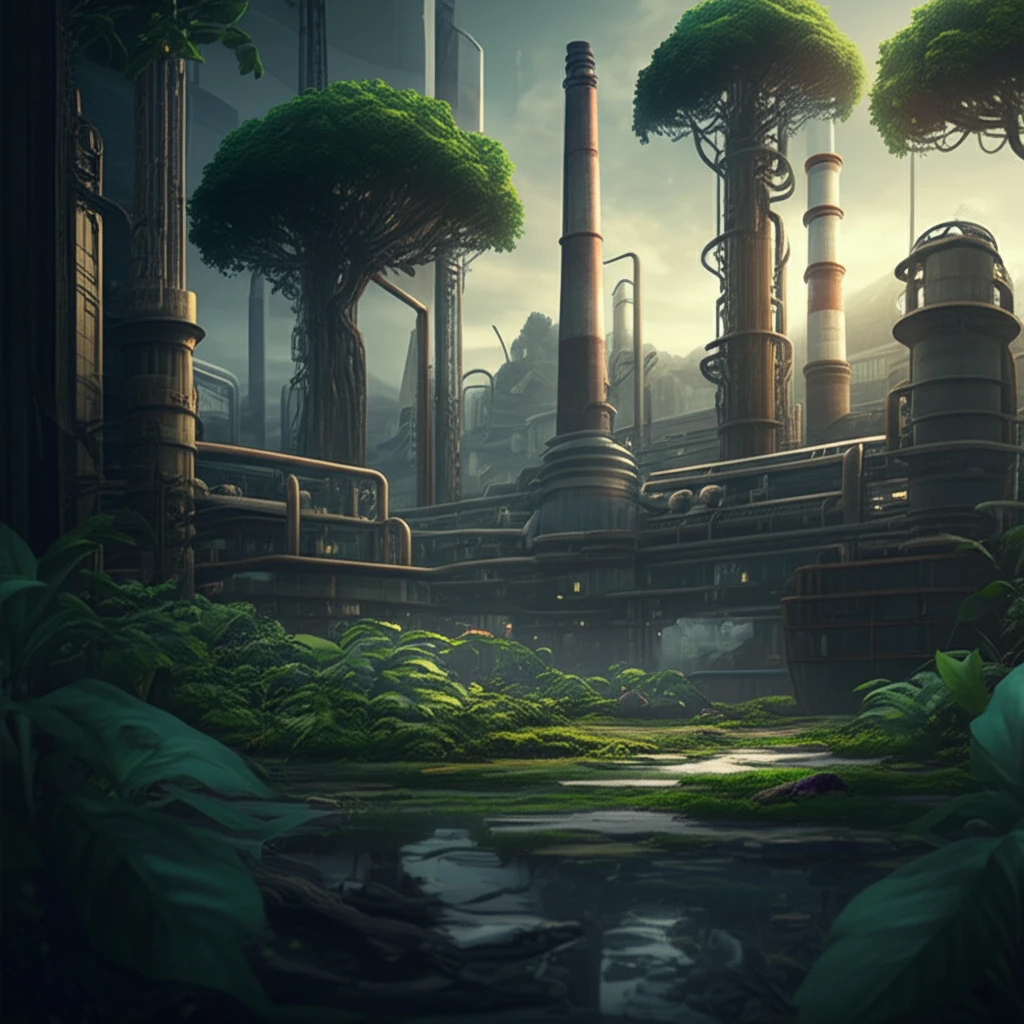
Sustainable manufacturing landscape with interconnected factories and greenery

Sustainable Manufacturing: Europe's Competitive Edge in the Green Economy

"Discover how European nations are integrating sustainability into their manufacturing strategies, driving innovation, and enhancing competitiveness in a rapidly evolving global market."


The European Union (EU) has undergone significant transformation, especially with the inclusion of new member states (NMS) in 2004. These countries, largely transitioning from planned to market economies, have shown remarkable convergence in macroeconomic indicators such as GDP, fiscal stability, and inflation. This evolution has also deeply impacted manufacturing practices, driving a shift towards more sustainable and competitive strategies.

Manufacturing across Europe is aligning through supply chain relationships, foreign direct investments, and knowledge transfers. Studies indicate that manufacturing sites in NMS are upgrading, challenging the traditional labor division between Old Member States (OMS) focusing on high-end production and Central and Eastern European (CEE) countries focusing on low-end activities. This transformation underlines the crucial role of integrating sustainability into manufacturing to enhance competitiveness and ensure long-term economic viability.

However, the path to integrating sustainable practices isn't uniform. Differences persist between OMS and NMS in their approach to manufacturing capabilities, influenced by factors like labor costs, supply chain demands, and stakeholder pressures. Understanding these variations is key to unlocking the full potential of sustainable manufacturing and achieving a balanced, competitive, and environmentally responsible European economy.

Bridging the Gap: How Manufacturing Capabilities Differ Across Europe

Sustainable manufacturing landscape with interconnected factories and greenery

Research highlights that management's competitive priorities, manufacturing strategies, and overall performance are critical aspects of operations. These elements are central to debates about regional developments, particularly within Europe. Understanding competitive priorities helps in strategizing manufacturing approaches.

While national culture can influence operations, some research suggests that organizational culture within a company can have a greater impact on manufacturing performance. This implies that companies expanding across borders should prioritize building an internal culture that values high-performance manufacturing, irrespective of the country-specific context.

  • Competitive Priorities: Cost, quality, flexibility, dependability, and innovation. Sustainability is also increasingly important.
  • Manufacturing Strategies: These encompass process, planning, quality, and sustainability strategies, reflecting a holistic approach to production.
  • Manufacturing Performance: Measured by cost efficiency, quality, speed, dependability, flexibility, and innovation, these indicators reflect a plant's operational effectiveness.
Despite significant progress, differences persist between OMS and NMS in Central and Eastern Europe concerning manufacturing capabilities. These variations arise from diverse economic conditions and strategic priorities. Unpacking these differences is essential for fostering a more integrated and competitive European manufacturing landscape. The study categorizes countries to compare manufacturing capabilities, focusing on Austria, Germany, and Italy as OMS, and Hungary and Poland as NMS. This classification aids in understanding the nuances of regional economic development and manufacturing practices.

The Road Ahead: Sustainable Manufacturing for a Competitive Europe

The journey toward sustainable manufacturing requires a tailored approach that recognizes the unique circumstances of different regions. By integrating sustainability into the manufacturing framework, European nations can enhance their competitiveness, foster innovation, and contribute to a more sustainable and resilient global economy. This involves not only adopting eco-friendly practices but also creating a supportive organizational culture and responding to the evolving demands of customers and stakeholders. As Europe continues to integrate and innovate, sustainable manufacturing will undoubtedly play a pivotal role in shaping its economic and environmental future.

About this Article -

This article was crafted using a human-AI hybrid and collaborative approach. AI assisted our team with initial drafting, research insights, identifying key questions, and image generation. Our human editors guided topic selection, defined the angle, structured the content, ensured factual accuracy and relevance, refined the tone, and conducted thorough editing to deliver helpful, high-quality information.See our About page for more information.

Everything You Need To Know

1

How have the New Member States' (NMS) economies evolved since joining the European Union, and what impact has this had on manufacturing strategies?

The New Member States (NMS) have undergone significant economic convergence, marked by improvements in GDP, fiscal stability, and inflation, largely transitioning from planned to market economies. This evolution has driven a shift towards more sustainable and competitive manufacturing strategies. Manufacturing sites in NMS are upgrading, challenging the traditional labor division between Old Member States (OMS) and Central and Eastern European (CEE) countries. Integrating sustainability into manufacturing is now seen as crucial for enhancing competitiveness and ensuring long-term economic viability. However, differences persist between OMS and NMS in their approach to manufacturing capabilities, influenced by factors like labor costs, supply chain demands, and stakeholder pressures.

2

What are the key elements that define manufacturing capabilities in the context of European manufacturing, and why is it important to understand the differences between Old Member States (OMS) and New Member States (NMS)?

Manufacturing capabilities are defined by competitive priorities (cost, quality, flexibility, dependability, innovation, and sustainability), manufacturing strategies (process, planning, quality, and sustainability strategies), and manufacturing performance (cost efficiency, quality, speed, dependability, flexibility, and innovation). Understanding the differences between OMS and NMS is crucial because variations arise from diverse economic conditions and strategic priorities. This understanding helps in fostering a more integrated and competitive European manufacturing landscape by tailoring approaches that recognize the unique circumstances of different regions. The study categorizes countries, focusing on Austria, Germany, and Italy as OMS, and Hungary and Poland as NMS, to compare manufacturing capabilities and understand the nuances of regional economic development and manufacturing practices.

3

How does organizational culture influence manufacturing performance in European companies, and what does this mean for companies expanding across borders?

Organizational culture within a company can significantly impact manufacturing performance, potentially more so than national culture. This implies that companies expanding across borders should prioritize building an internal culture that values high-performance manufacturing, irrespective of the country-specific context. By fostering a consistent organizational culture focused on operational effectiveness, companies can mitigate the influence of local cultural differences and enhance their overall manufacturing performance across various European locations.

4

In what ways does integrating sustainability into manufacturing enhance competitiveness for European nations, and what are the broader implications for the global economy?

Integrating sustainability into the manufacturing framework enables European nations to enhance their competitiveness, foster innovation, and contribute to a more sustainable and resilient global economy. This involves adopting eco-friendly practices, creating a supportive organizational culture, and responding to the evolving demands of customers and stakeholders. This approach not only addresses environmental concerns but also positions European nations as leaders in the green economy, attracting investments, talent, and market opportunities. The broader implications for the global economy include setting a precedent for sustainable industrial practices and promoting international collaboration in addressing climate change and resource management.

5

What are the primary competitive priorities that European manufacturing companies are focusing on, and how does sustainability fit into this framework?

The primary competitive priorities for European manufacturing companies include cost, quality, flexibility, dependability, and innovation. Sustainability is increasingly recognized as a critical competitive priority, reflecting a growing awareness of environmental concerns and stakeholder expectations. Integrating sustainability into manufacturing strategies involves adopting eco-friendly processes, reducing waste, and developing sustainable products. This integration not only enhances a company's reputation and appeal to environmentally conscious customers but also drives innovation and efficiency improvements, contributing to long-term competitiveness in the European market.

Newsletter Subscribe

Subscribe to get the latest articles and insights directly in your inbox.