
Supply Chain Shock: How China's Monopoly Impacts Your Life and What You Can Do About It

"Uncover the hidden vulnerabilities in global supply chains and learn how to protect yourself from future disruptions."
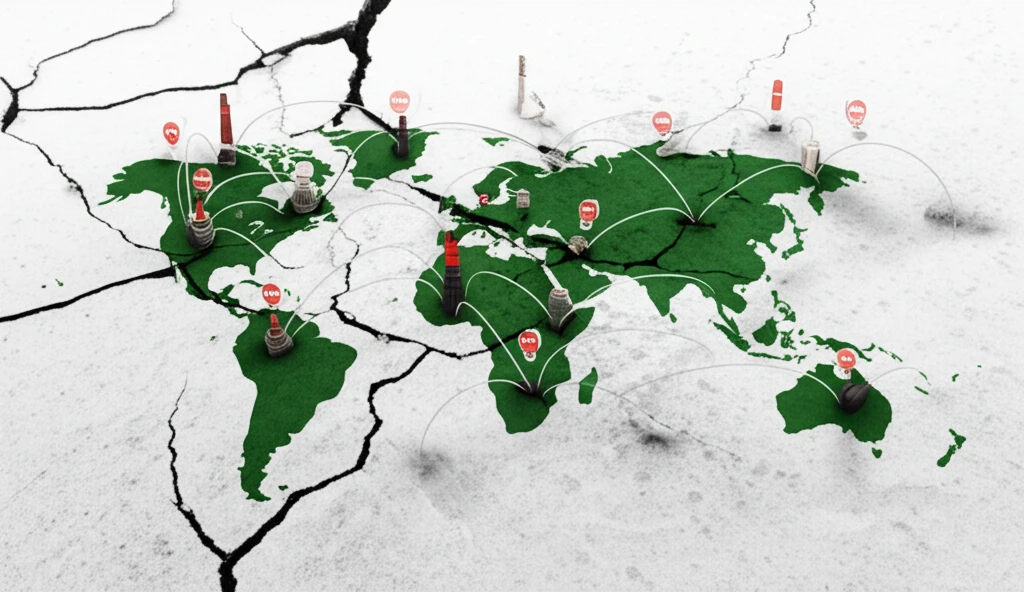
The COVID-19 pandemic exposed a critical weakness in the global economy: our over-reliance on a single source for essential goods. As factories in China ground to a halt, supply chains worldwide seized, leaving consumers scrambling for everything from medical masks to electronics. This crisis highlighted the potential dangers of a global supply chain monopoly, particularly one held by a single nation.
This article delves into the complexities of China's role in global supply chains, examining the potential risks and consequences of this concentration of power. We'll explore how this impacts your daily life, from the availability and cost of goods to broader economic and geopolitical implications. More importantly, we'll outline practical steps you can take to mitigate your own vulnerability and contribute to a more diversified and resilient global economy.
Whether you're a concerned consumer, a business owner seeking to diversify your sourcing, or simply curious about the forces shaping our world, this guide provides the insights and strategies you need to navigate the challenges of a globalized world.
The Hidden Costs of Convenience: How China's Monopoly Affects You
For decades, businesses have chased lower costs by shifting manufacturing to China. This has resulted in cheaper goods for consumers, but also created a dependency that has far-reaching consequences. The promise of cost savings often overshadows the inherent risks of relying on a single source, including:
- Supply Chain Disruptions: A single event, like a pandemic, natural disaster, or geopolitical tension, can cripple the entire supply chain, leading to shortages and price spikes.
- Quality Concerns: The pursuit of lower costs can sometimes lead to compromised quality and safety standards.
- Geopolitical Leverage: A dominant manufacturing nation can use its position to exert political and economic pressure on other countries.
- Job Losses: The shift of manufacturing overseas has contributed to job losses in developed nations, impacting local economies and communities.
- Environmental Impact: Less stringent environmental regulations in some manufacturing hubs can lead to increased pollution and environmental damage.
Reclaiming Control: Building a More Resilient Future
The challenges posed by a global supply chain monopoly are significant, but not insurmountable. By understanding the risks, diversifying our sources, and supporting domestic manufacturing, we can build a more resilient and sustainable future. It's time to prioritize long-term stability over short-term cost savings and reclaim control over our economic destiny.