
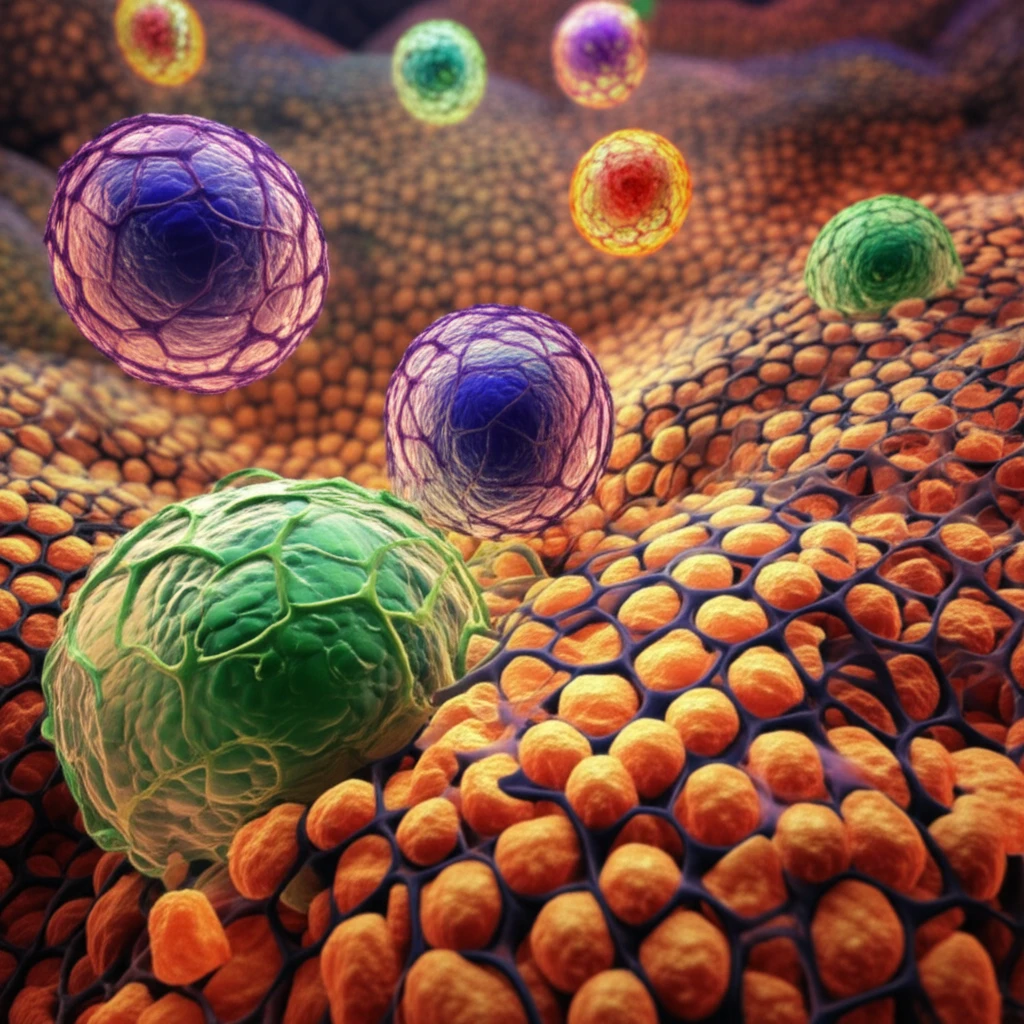
Nanoantibiotics attacking bacterial biofilm.

Supercharged Antibiotics: Nano-Delivery Systems Conquer MRSA

"Scientists develop innovative nanoantibiotics to penetrate biofilms and enhance MRSA inhibition, offering hope in the fight against antibiotic resistance."


Antibiotics in the beta-lactam class are known for their ability to inhibit peptidoglycan metabolism with high precision. They've long been the first line of defense against bacterial infections due to their effectiveness and low toxicity. However, bacteria are quickly developing resistance, which calls for new solutions.

One major way bacteria resist beta-lactam antibiotics is by producing enzymes called beta-lactamases, which degrade the drugs. Methicillin-resistant Staphylococcus aureus (MRSA), a common hospital-acquired infection, demonstrates this issue dramatically. Because of this, scientists have been searching for ways to enhance the effectiveness of beta-lactam antibiotics by preventing beta-lactamases from working.

Researchers are now exploring innovative methods like nanoparticle-based carriers to get antibiotics deeper into biofilms, sidestepping bacterial resistance. This study presents a novel method for co-delivering beta-lactam antibiotics and beta-lactamase inhibitors using metal-carbenicillin frameworks encapsulated in mesoporous silica nanoparticles (MSN), designed to overcome MRSA's defenses.

How Nanoantibiotics Work: A Multi-Pronged Attack on MRSA

Nanoantibiotics attacking bacterial biofilm.

Scientists constructed nanoantibiotics for drug delivery based on metal-carbenicillin frameworks on mesoporous silica nanoparticles (MSN). Carbenicillin, a beta-lactam antibiotic, was chosen as a ligand to coordinate with Fe3+ ions, forming a metal-carbenicillin framework. This framework blocks the pores of the MSN, trapping beta-lactamase inhibitors inside. Once administered, these nanoantibiotics stay stable under physiological conditions.

The nanoantibiotics were designed to release their therapeutic cargo—antibiotics and inhibitors—at the site of infection. This targeted delivery is crucial for overcoming antibiotic resistance and ensuring that both drugs reach the bacteria simultaneously. By combining these actions, the nanoantibiotics are intended to effectively eliminate antibiotic-resistant bacterial strains and disrupt biofilms.

Here’s a breakdown of the key steps:
  • MSN Synthesis: Creating mesoporous silica nanoparticles with large pores.
  • Inhibitor Loading: Loading beta-lactamase inhibitors into the pores of the MSN.
  • Framework Coating: Coating the MSN with a metal-carbenicillin framework to block the pores.
  • pH-Responsive Release: Ensuring the framework breaks down in the acidic environment of a bacterial infection, releasing the drugs.
The effectiveness of these nanoantibiotics relies on their ability to penetrate biofilms deeply, reaching bacteria that would otherwise be protected. Researchers confirmed that these nanoantibiotics, loaded with beta-lactamase inhibitors, showed better penetration into biofilms and had a noticeable impact on inhibiting MRSA, both in lab experiments and in living organisms.

A Promising Future for Combating Antibiotic Resistance

This research provides a potential method for combating infections associated with biofilms. The pH-responsive co-delivery system effectively reverses MRSA resistance and significantly enhances antibacterial efficacy against pathogenic bacteria. These findings may offer new therapeutic possibilities for treating infections associated with biofilms and antibiotic-resistant bacteria.

About this Article -

This article was crafted using a human-AI hybrid and collaborative approach. AI assisted our team with initial drafting, research insights, identifying key questions, and image generation. Our human editors guided topic selection, defined the angle, structured the content, ensured factual accuracy and relevance, refined the tone, and conducted thorough editing to deliver helpful, high-quality information.See our About page for more information.

Everything You Need To Know

1

What is MRSA, and why is it so difficult to treat?

MRSA, or Methicillin-resistant Staphylococcus aureus, is a bacterium that causes infections. It is resistant to many antibiotics, including beta-lactam antibiotics like carbenicillin. This resistance stems from the bacteria's ability to produce beta-lactamases, enzymes that break down these antibiotics. As a result, infections are difficult to treat, often requiring stronger, more toxic drugs and increasing the risk of treatment failure and complications.

2

How do the metal-carbenicillin framework-based nanoantibiotics work?

The nanoantibiotics use a multi-step approach. First, mesoporous silica nanoparticles (MSN) are loaded with beta-lactamase inhibitors. Then, a metal-carbenicillin framework is used to coat the MSN, trapping the inhibitors inside. This framework is designed to break down in the acidic environment of the bacterial infection, releasing both the beta-lactamase inhibitors and the carbenicillin. This targeted release enhances drug penetration and helps overcome MRSA's resistance mechanisms.

3

What is the role of mesoporous silica nanoparticles (MSN) in this new approach?

MSN serve as a carrier system in the nanoantibiotics. They have large pores that are used to encapsulate the beta-lactamase inhibitors. The metal-carbenicillin framework coats the MSN, blocking the pores to prevent premature release of the inhibitors. The MSN helps in delivering the therapeutic cargo directly to the site of the infection and ensures that both antibiotics and inhibitors reach the bacteria simultaneously, which is crucial for effectively combating antibiotic resistance and disrupting biofilms.

4

What are the key advantages of using nanoantibiotics over traditional antibiotics in treating MRSA infections?

Nanoantibiotics offer several advantages. They enhance drug penetration into biofilms, a protective barrier that bacteria create, which traditional antibiotics often struggle to overcome. The use of metal-carbenicillin frameworks on MSN allows for the co-delivery of antibiotics and beta-lactamase inhibitors, ensuring that the antibiotic is not degraded by the bacteria. This targeted delivery system increases the effectiveness of the antibiotic, reduces the required dosage, and minimizes potential side effects, offering a more effective treatment for antibiotic-resistant infections like MRSA.

5

What are the potential implications of this research for the future of antibiotic treatment?

This research offers a promising new method for combating antibiotic resistance, especially in biofilm-associated infections. The development of pH-responsive co-delivery systems that effectively reverse MRSA resistance and enhance antibacterial efficacy offers new therapeutic possibilities. This approach could lead to more effective treatments for infections caused by antibiotic-resistant bacteria, potentially reducing the reliance on broad-spectrum antibiotics and the associated side effects. The research also highlights the potential for other nanoparticle-based drug delivery systems to combat other infections.

Newsletter Subscribe

Subscribe to get the latest articles and insights directly in your inbox.