
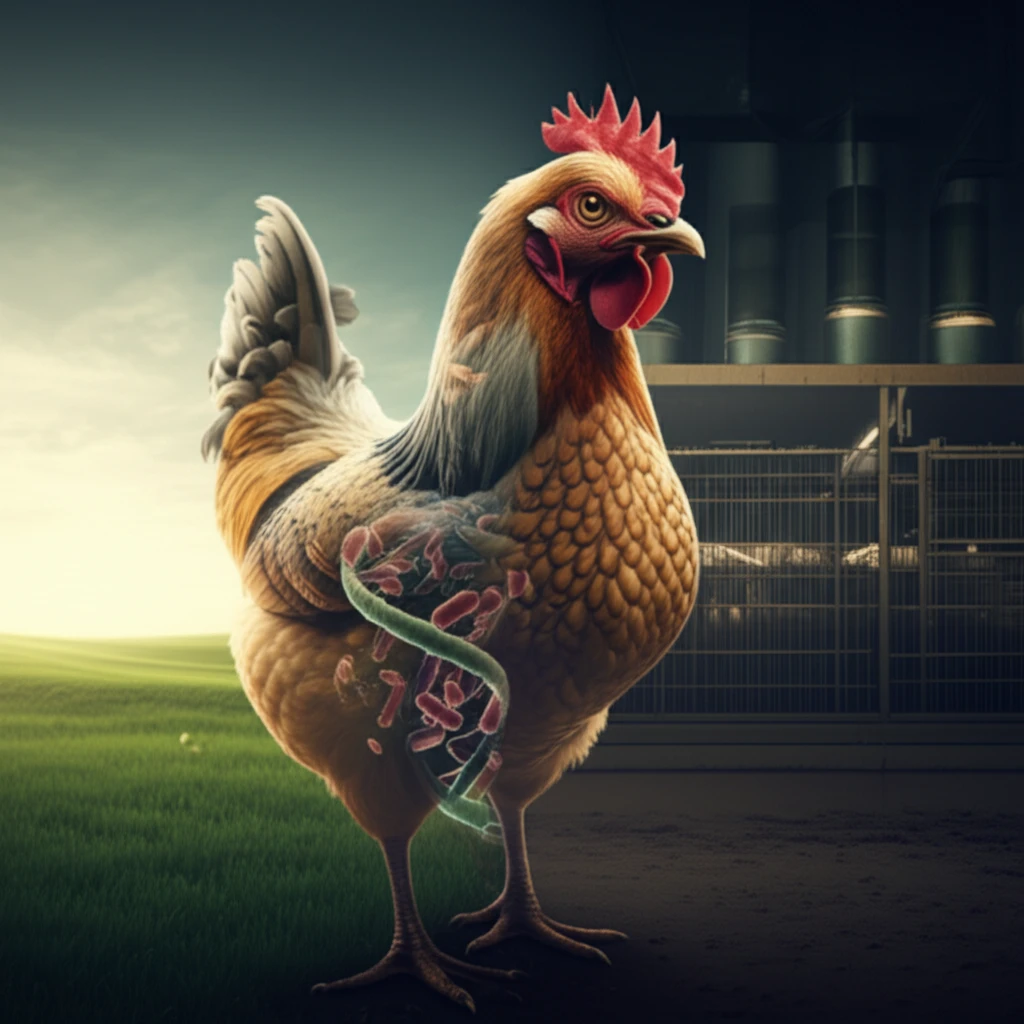
Surreal image depicting the clash between clean farming and antibiotic-resistant bacteria in poultry.

Superbugs in Your Supper? How Farm Antibiotics Threaten Your Table

"Unraveling the hidden dangers of antibiotic use in small-scale poultry farming and what it means for your health."


Imagine preparing a simple chicken dinner, unaware that the meat you're about to cook is harboring bacteria resistant to antibiotics. It sounds like something out of a science fiction movie, but the reality is, antimicrobial resistance (AMR) is a growing global health crisis, and it's closer to home than you might think. The overuse of antibiotics in agriculture, particularly in poultry farming, is a significant contributor to this problem, threatening the effectiveness of medications we rely on to fight infections.

For years, large-scale industrial farming has been under scrutiny for its routine use of antibiotics to promote growth and prevent disease in crowded conditions. However, a lesser-known but equally concerning area is the world of small-scale poultry production, especially in developing nations. These smaller farms, while seemingly more traditional, can also be hotspots for antibiotic resistance, potentially impacting not only the chickens but also the humans who consume them and live in close proximity.

A groundbreaking study investigated the role of mobile genetic elements (MGEs) in the spread of antimicrobial-resistant Escherichia coli (E. coli) from chickens to humans in rural Ecuador. This research sheds light on how antibiotic use in small-scale poultry operations fosters the development and transmission of resistant bacteria, offering valuable insights into a complex issue with far-reaching consequences.

Why Small Farms Matter: Unpacking the Ecuador Study

Surreal image depicting the clash between clean farming and antibiotic-resistant bacteria in poultry.

The study focused on rural Ecuador, where small-scale poultry farming is common. Researchers collected samples from chickens raised in confined spaces with antibiotics in their feed, household chickens allowed to roam freely, and humans living near these farms. The goal was to understand how these different environments contribute to the spread of antibiotic resistance. What they found was alarming: chickens from small-scale production farms had significantly higher rates of resistance to multiple antibiotics compared to household chickens.

These small-scale poultry farms often use antibiotics to accelerate growth and prevent disease – a practice that inadvertently fosters the rise of resistant bacteria. This resistance isn't confined to the chickens themselves; it jumps to humans through direct contact or consumption of contaminated meat. The study revealed that humans associated with these small-scale production farms were more likely to carry antibiotic-resistant bacteria than those who lived near household chickens.

  • Mobile Genetic Elements (MGEs): Key players in spreading resistance.
  • E. coli: The bacteria under scrutiny.
  • Antibiotic Resistance: A growing threat due to overuse.
But how does this resistance spread? The answer lies in mobile genetic elements (MGEs). These are like tiny packages of DNA that can hop from one bacterium to another, carrying genes for antibiotic resistance with them. The study found that these MGEs were more prevalent in bacteria from small-scale production birds, indicating that these farms are breeding grounds for resistance genes. When these resistant bacteria, armed with MGEs, transfer to humans, they can make infections harder to treat, prolonging illness and increasing the risk of complications.

Protecting Your Family: What Can You Do?

The findings from the Ecuador study paint a concerning picture, but they also highlight the importance of informed choices. While the issue of antibiotic resistance in agriculture is complex, consumers can take steps to protect themselves and their families. Choosing meat from sources that limit or avoid antibiotic use is a great first step. Supporting policies that promote responsible antibiotic use in agriculture can also make a difference. By staying informed and making conscious choices, you can help curb the spread of antibiotic resistance and protect your health.

About this Article -

This article was crafted using a human-AI hybrid and collaborative approach. AI assisted our team with initial drafting, research insights, identifying key questions, and image generation. Our human editors guided topic selection, defined the angle, structured the content, ensured factual accuracy and relevance, refined the tone, and conducted thorough editing to deliver helpful, high-quality information.See our About page for more information.

This article is based on research published under:

DOI-LINK: 10.1093/aje/kwx286, Alternate LINK

Title: The Role Of Mobile Genetic Elements In The Spread Of Antimicrobial-Resistant Escherichia Coli From Chickens To Humans In Small-Scale Production Poultry Operations In Rural Ecuador

Subject: Epidemiology

Journal: American Journal of Epidemiology

Publisher: Oxford University Press (OUP)

Authors: Kara A Moser, Lixin Zhang, Ian Spicknall, Nikolay P Braykov, Karen Levy, Carl F Marrs, Betsy Foxman, Gabriel Trueba, William Cevallos, Jason Goldstick, James Trostle, Joseph N S Eisenberg

Published: 2017-08-17

Everything You Need To Know

1

What is Antimicrobial Resistance (AMR), and why is it a concern in the context of this information?

Antimicrobial Resistance (AMR) is a growing global health crisis where bacteria become resistant to the medications designed to kill them. In the context of the poultry industry, it means that the antibiotics used to treat chickens become ineffective. This is a significant problem because it leads to infections that are harder to treat, potentially prolonging illnesses and increasing the risk of complications for both animals and humans.

2

What are Mobile Genetic Elements (MGEs), and how do they relate to Antibiotic Resistance in poultry farming?

Mobile Genetic Elements (MGEs) are tiny packages of DNA that can move between bacteria. They carry genes, including those for Antibiotic Resistance. In the context of poultry farming, MGEs are a key factor in spreading resistance. The study found that MGEs were more prevalent in bacteria from small-scale production birds, indicating that these farms are breeding grounds for resistance genes, facilitating the transfer of resistance from chickens to humans, making infections more difficult to treat.

3

Why was E. coli important in the study regarding small-scale poultry farms?

E. coli is a type of bacteria that was the focus of the study. It's a common bacterium, and some strains can cause illness. The study investigated how antibiotic use in poultry farms contributed to the spread of antibiotic-resistant E. coli from chickens to humans. This is important because antibiotic-resistant E. coli infections are harder to treat, leading to potential health complications and highlighting the link between farming practices and human health.

4

What role did Antibiotics in small-scale poultry farms play in the study?

The study examined the use of Antibiotics in small-scale poultry farms, particularly in rural Ecuador, and its impact on the spread of resistance. The use of Antibiotics on these farms promotes bacterial resistance. The research demonstrated that chickens from small-scale farms had significantly higher rates of resistance to multiple antibiotics. This is important because it shows a direct link between farming practices and the development of antibiotic-resistant bacteria that can affect both animals and humans. Implications include potential public health risks and the need for changes in farming practices.

5

What steps can consumers take to protect themselves from Antibiotic Resistance?

You can protect yourself and your family by making informed choices. Choosing meat from sources that limit or avoid antibiotic use is a good start. You can also support policies that promote responsible Antibiotic use in agriculture. By staying informed and making conscious choices, you can help curb the spread of Antibiotic Resistance. These actions help reduce exposure to resistant bacteria, safeguarding your health and contributing to broader efforts to combat AMR.

Newsletter Subscribe

Subscribe to get the latest articles and insights directly in your inbox.