
Stuffy Nose After Sinus Surgery? What You Need to Know About Septal Deviation

"Discover how a seemingly minor nasal issue can impact the success of your sinus surgery and what it means for your breathing."
Endoscopic sinus surgery (ESS) has become a game-changer for those battling chronic rhinosinusitis (CRS) that doesn't respond to medication. While ESS boasts impressive success rates, some individuals find themselves needing a second surgery because their sinus issues return or persist.
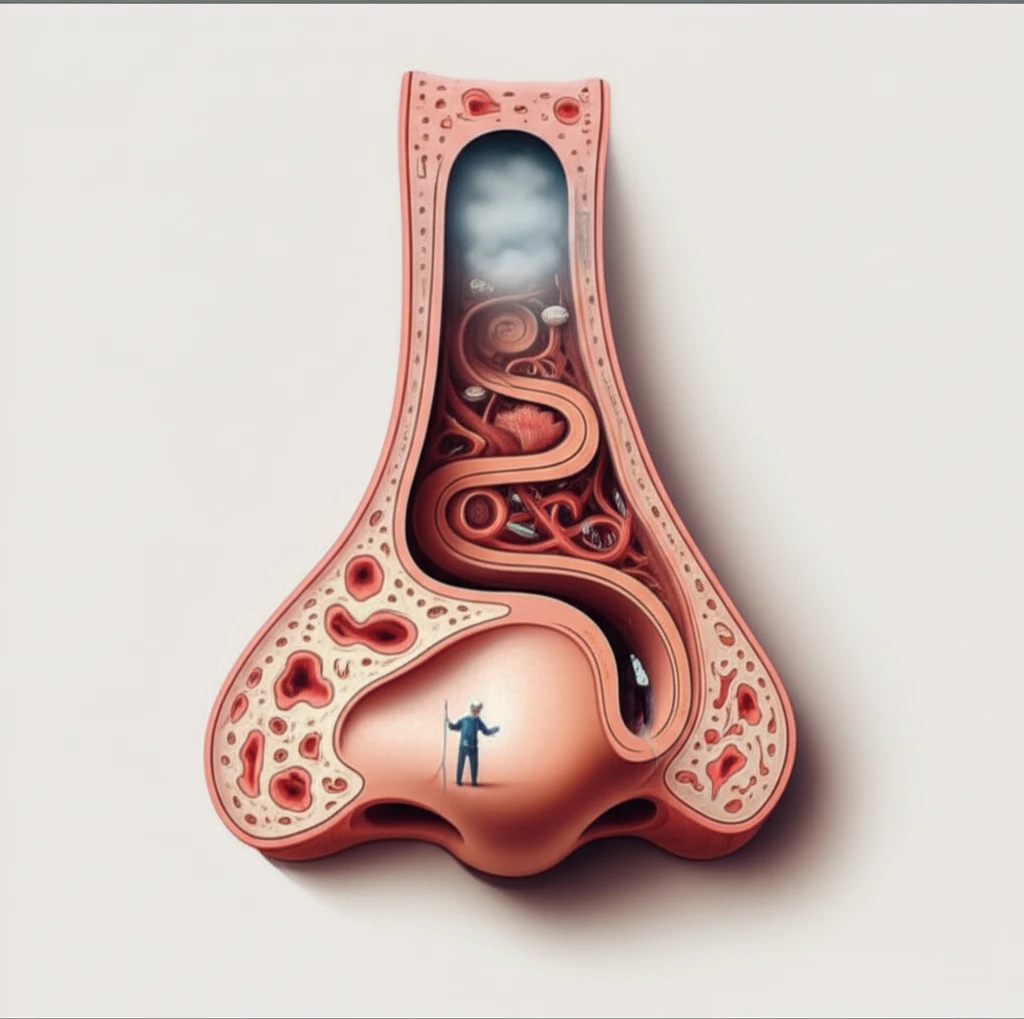
A number of factors can contribute to the recurrence of CRS after surgery, including everything from environmental irritants and allergies to the presence of highly inflammatory cells in the sinuses. One often-overlooked factor is a deviated nasal septum (DNS). This is where the wall inside your nose is crooked, potentially blocking airflow and impacting sinus drainage.
This article will explore new research that highlights how a DNS left unaddressed during sinus surgery can affect the severity and recurrence of CRS. We will break down the key findings of the study, explain why a DNS matters, and offer insights into managing this common issue for better sinus health.
The Hidden Impact of a Deviated Septum on Sinus Surgery Success
Researchers at a tertiary academic center conducted a retrospective review of 489 patients who underwent revision ESS for CRS. They compared patients who had a septoplasty (surgery to correct a DNS) along with their revision ESS to those who had revision ESS alone. The study matched patients based on age and sex to ensure a fair comparison.
- Higher Disease Severity: The septoplasty group had significantly higher Lund-Mackay scores (LMS), a measure of sinus disease severity seen on CT scans.
- Increased Obstruction: They also had a greater rate of obstruction in the ostiomeatal complex (OMC), a critical area for sinus drainage.
- Specific Sinus Involvement: The septoplasty group showed higher opacification scores (meaning more cloudiness or blockage) specifically in the maxillary and posterior ethmoid sinuses.
What Does This Mean for Your Sinus Health?
This research provides valuable insights into why some sinus surgeries are less successful than others. An untreated DNS can create a perfect storm of mechanical obstruction, impaired airflow, and reduced access for both surgery and post-operative care, potentially leading to persistent or recurrent CRS.
If you are considering sinus surgery, or are facing a revision surgery, it's crucial to discuss the possibility of a DNS with your ENT (ear, nose, and throat) surgeon. A thorough evaluation, including a review of your CT scans, can help determine if a septoplasty is needed in conjunction with your ESS to optimize your outcome.
Don't hesitate to advocate for a comprehensive approach to your sinus health. Addressing all contributing factors, including a DNS, can significantly improve your chances of long-term relief and better breathing.