
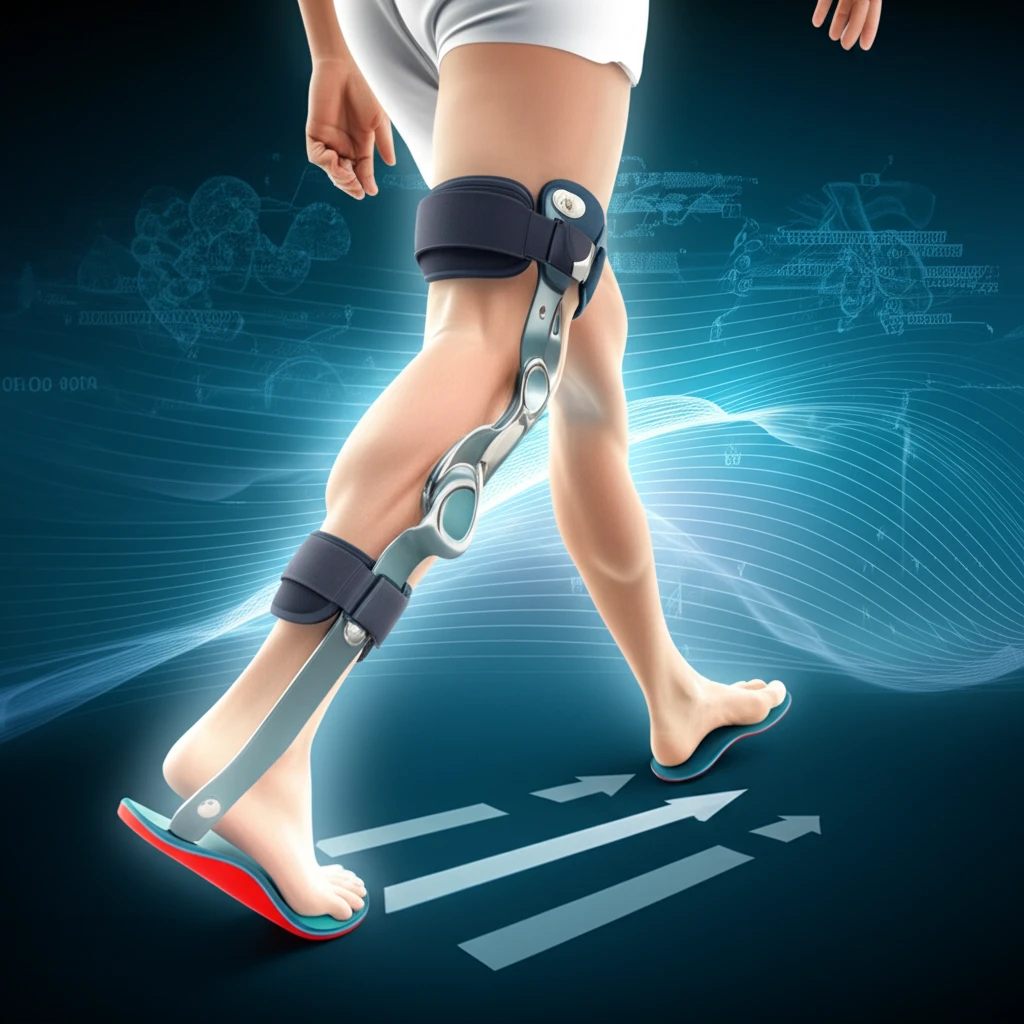
Struggling with Knee Osteoarthritis? Discover the Power of Combined Therapies

"A new study reveals how knee braces, insoles, and gait adjustments work together to reduce joint stress and improve your mobility."
Knee osteoarthritis (OA) stands as a significant health challenge worldwide, impacting millions with pain and limited mobility. The condition, characterized by the gradual breakdown of joint cartilage, leads to pain, stiffness, and decreased quality of life. Managing knee OA effectively requires a multifaceted approach, and recent research is shedding light on the potential benefits of combining different conservative therapies.
Traditionally, treatments for knee OA have included options such as pain medication, physical therapy, and lifestyle adjustments like weight management and exercise. However, many individuals seek additional relief and improved function through non-surgical interventions. These include knee braces, laterally wedged insoles, and gait retraining techniques, each designed to address specific biomechanical factors contributing to joint stress.
A groundbreaking study has explored the combined effects of these conservative treatments, offering new insights into how they can work synergistically to reduce knee adduction moment (KAM)—a key indicator of joint load—and improve balance, potentially reducing the risk of falls. This article delves into the findings of this research, providing you with practical knowledge to discuss treatment options with your healthcare provider and take proactive steps toward managing your knee OA.
Unlocking Synergistic Relief: How Combined Therapies Can Transform Knee Osteoarthritis Management
The study, published in Prosthetics and Orthotics International, investigated the impact of combining a knee brace (KB), laterally wedged insole (LWI), and toe-out gait (TO) on knee adduction moment (KAM) and fall risk in individuals with moderate medial knee OA. KAM, which reflects the load on the medial compartment of the knee, is a critical target for interventions aimed at slowing disease progression and alleviating symptoms. Researchers hypothesized that combining these therapies would lead to a greater reduction in KAM compared to using them individually.
- Natural walking
- Walking with a knee brace
- Knee brace + toe-out gait
- Laterally wedged insole
- Laterally wedged insole + toe-out gait
- Knee brace + laterally wedged insole + toe-out gait
Empowering Your Journey to Pain Relief: Practical Takeaways and Future Directions
This research offers a promising outlook for individuals seeking comprehensive, non-surgical management of knee OA. By understanding the synergistic potential of combining knee braces, laterally wedged insoles, and gait adjustments, you can engage in informed discussions with your healthcare provider to develop a tailored treatment plan. While the study highlights the benefits of combined therapies in reducing joint load, it also underscores the importance of considering potential impacts on balance and comfort. Future research should explore long-term outcomes and refine these combined approaches to maximize benefits and minimize risks, ultimately empowering individuals to live more active and pain-free lives.