
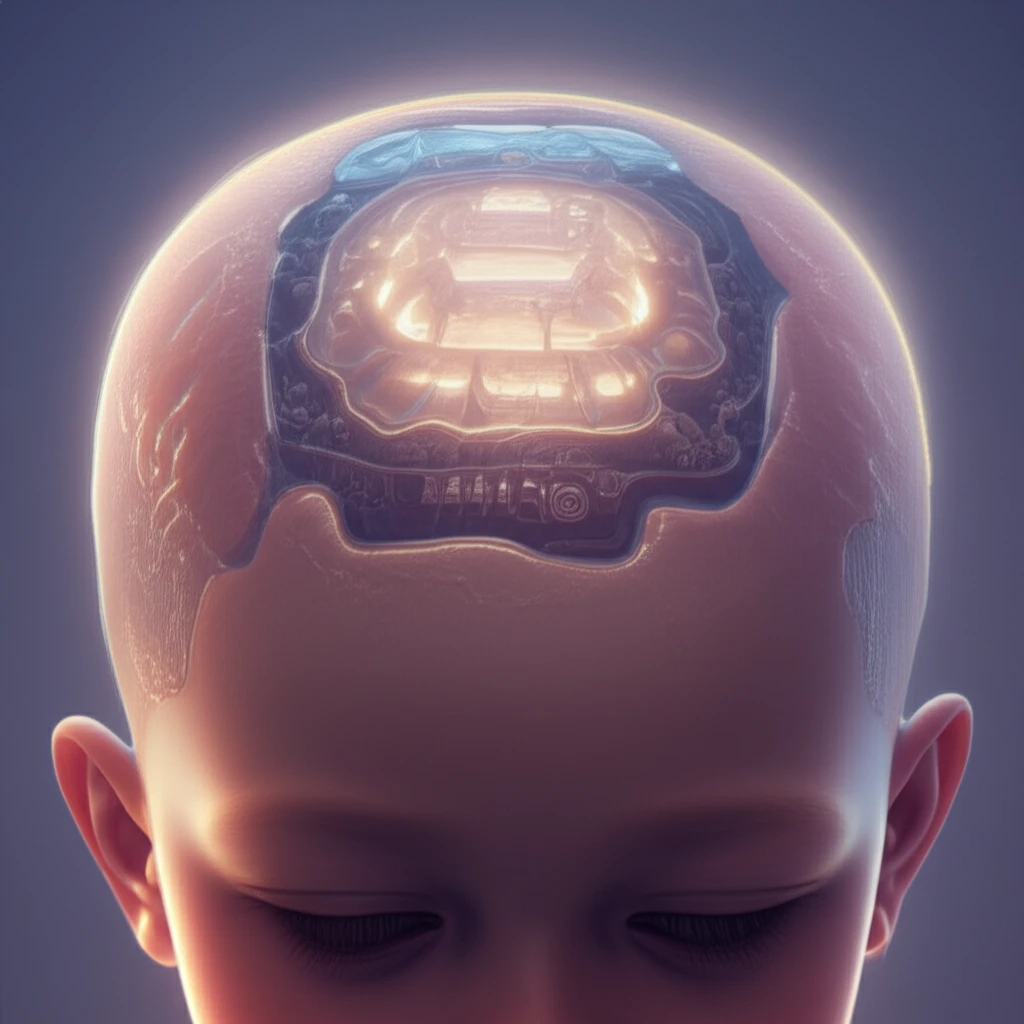
Illustration of a child's scalp with a plate-like osteoma cutis, a rare skin condition where bone forms outside the skeleton.

Stone-Hard Skin: Unraveling the Mystery of Plate-Like Osteoma Cutis

"Discover the rare skin condition where bone forms outside the skeleton, its link to genetic mutations, and what it means for long-term health."


Imagine feeling a hard, bony plate beneath your skin, seemingly out of nowhere. That's the reality for individuals with osteoma cutis, a rare condition characterized by the formation of bone within the skin. While the term might sound alarming, understanding this condition is the first step towards effective management and peace of mind.

Osteoma cutis isn't just a single disease; it's a group of disorders where bone develops outside the normal skeleton. Most commonly, it occurs as a result of trauma, inflammation, or even certain types of growths. However, in some instances, it appears spontaneously, termed primary osteoma cutis. This form, while less common, can be associated with genetic syndromes or occur in isolation, making diagnosis a unique challenge.

This article delves into the specifics of plate-like osteoma cutis, a particularly rare variant of the primary form. We'll explore the potential genetic links, particularly to conditions like Albright's hereditary osteodystrophy (AHO) and progressive osseous heteroplasia (POH), and emphasize the importance of early detection and ongoing monitoring. Understanding the nuances of this condition can empower both patients and healthcare providers to make informed decisions about management and follow-up care.

What is Osteoma Cutis and Why Does It Happen?

Illustration of a child's scalp with a plate-like osteoma cutis, a rare skin condition where bone forms outside the skeleton.

At its core, heterotopic ossification is the process of bone formation in locations where bone doesn't normally exist. When this happens in the skin, it's called osteoma cutis. It's important to distinguish this from simple calcification, which can occur in various skin conditions and involves the deposition of calcium salts. Ossification, on the other hand, is a more complex process involving the deposition of calcium and phosphorus within a protein matrix, forming true bone tissue.

Osteoma cutis is broadly classified into primary and secondary types. Secondary osteoma cutis is far more common, arising from:

  • Trauma to the skin.
  • Inflammatory skin conditions.
  • Certain types of skin tumors.
Primary osteoma cutis, as the name suggests, occurs spontaneously without any clear preceding cause. It accounts for only a small percentage of all cases of osteoma cutis. Primary osteoma cutis can further be divided into syndromic forms (associated with genetic syndromes like AHO) and isolated forms. Plate-like osteoma cutis falls into this rare category of primary osteoma cutis, often presenting as a single, hardened plaque on the skin.

The Importance of Early Detection and Continuous Monitoring

While plate-like osteoma cutis may initially appear as an isolated and benign finding, its potential link to genetic syndromes like AHO and POH necessitates careful evaluation and long-term monitoring. Even in the absence of other obvious symptoms, yearly follow-up appointments are crucial to monitor for any signs of progression or associated complications. By staying vigilant and informed, both patients and healthcare providers can work together to ensure the best possible outcomes and quality of life.

About this Article -

This article was crafted using a human-AI hybrid and collaborative approach. AI assisted our team with initial drafting, research insights, identifying key questions, and image generation. Our human editors guided topic selection, defined the angle, structured the content, ensured factual accuracy and relevance, refined the tone, and conducted thorough editing to deliver helpful, high-quality information.See our About page for more information.

This article is based on research published under:

DOI-LINK: 10.1136/bcr-2013-202901, Alternate LINK

Title: Plate-Like Osteoma Cutis: Nothing But Skin And Bone?

Subject: General Medicine

Journal: Case Reports

Publisher: BMJ

Authors: I. Coutinho, V. Teixeira, J. C. Cardoso, J. P. Reis

Published: 2014-05-05

Everything You Need To Know

1

What exactly is Plate-like osteoma cutis?

Plate-like osteoma cutis is a rare variant of the primary form of osteoma cutis. It is characterized by the formation of bone within the skin, specifically presenting as a single, hardened plaque. This condition falls under the broader category of osteoma cutis, which is the development of bone outside the normal skeletal system, but plate-like osteoma cutis is distinguished by its presentation as a flat, often solitary, bony growth in the skin.

2

What causes Osteoma Cutis?

Osteoma cutis can be either primary or secondary. Secondary osteoma cutis is commonly triggered by trauma, inflammation, or specific skin tumors. Primary osteoma cutis, including plate-like osteoma cutis, arises spontaneously, without a clear preceding cause. The primary form can sometimes be linked to genetic syndromes, such as Albright's hereditary osteodystrophy (AHO) and progressive osseous heteroplasia (POH).

3

How is Plate-like osteoma cutis different from other types of osteoma cutis?

Unlike secondary osteoma cutis, which typically results from external factors like trauma or inflammation, plate-like osteoma cutis belongs to the primary category. It's often distinguished by its presentation: a single, hardened plaque of bone in the skin. Secondary forms are more common and have clear initiating events, whereas plate-like osteoma cutis often appears without an obvious trigger, making its diagnosis and management a unique challenge.

4

Why is early detection and follow-up so important for plate-like osteoma cutis?

Early detection and continuous monitoring are crucial because plate-like osteoma cutis can be associated with genetic syndromes like Albright's hereditary osteodystrophy (AHO) and progressive osseous heteroplasia (POH). Even if there are no other immediate symptoms, regular check-ups can help identify any progression or associated complications. This vigilance allows for timely intervention and management, ensuring the best possible quality of life for individuals with this condition.

5

How is the process of bone formation in Osteoma Cutis different from simple skin calcification?

Osteoma cutis involves heterotopic ossification, which is the formation of true bone tissue, including the deposition of calcium and phosphorus within a protein matrix. This is a complex process. In contrast, simple skin calcification involves only the deposition of calcium salts. Ossification is a more advanced process, resulting in the creation of actual bone structure, whereas calcification represents a simpler form of mineral deposition without the full bone matrix formation seen in osteoma cutis.

Newsletter Subscribe

Subscribe to get the latest articles and insights directly in your inbox.