
Steroids to the Rescue? A Rare Case of Kaposi's Sarcoma Treatment

"When HIV treatment falters, a dangerous condition called Kaposi's Sarcoma can emerge. But in a unique case, doctors found an unexpected ally: steroids."
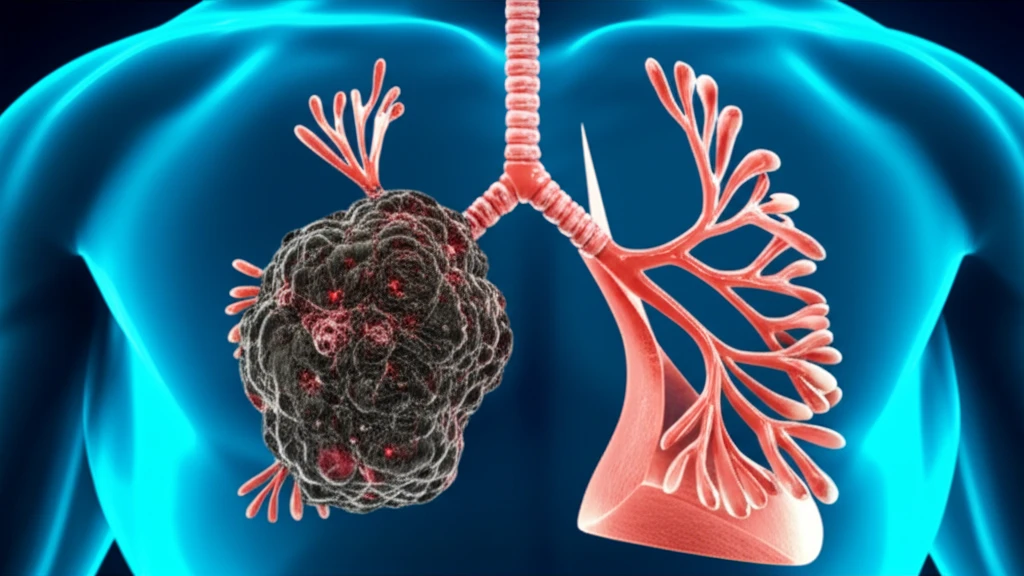
Kaposi's Sarcoma (KS) is a type of cancer that develops from cells that line blood and lymph vessels. It's often linked to infection with the human herpesvirus 8 (HHV-8) and is more common in people with weakened immune systems, such as those with HIV. While KS often appears as skin lesions, it can also affect the lungs and other organs.
Typically, treating KS involves a combination of therapies, including addressing the underlying HIV infection with antiretroviral therapy (ART) and using chemotherapy drugs like liposomal doxorubicin. However, in some cases, the immune system can overreact as it recovers, leading to a condition called immune reconstitution inflammatory syndrome (IRIS), which can paradoxically worsen KS symptoms.
Now, doctors share a case of a patient with severe KS affecting his airway. Initial treatments had limited success, but an unexpected intervention – steroids – proved crucial in managing the condition. This case highlights the complexities of treating KS and the potential for unconventional approaches when standard therapies fall short.
When Standard Treatments Aren't Enough: A Patient's Story
A man in his 30s with a history of HIV stopped his regular treatments. He developed a range of worrying symptoms, including recurring fever, sore throat, and a hoarse voice. Doctors discovered purplish tumors in his mouth, swollen lymph nodes, and skin lesions. Tests confirmed he had Kaposi's Sarcoma, with widespread disease affecting his lungs and airways.
- Initial Improvement: The combination of ART and chemotherapy initially helped to control the disease. The patient was eventually able to come off the ventilator and leave the hospital.
- Unexpected Setback: After discharge, a follow-up scan revealed new areas of KS in his lungs. This raised concerns about IRIS, where the recovering immune system was actually contributing to the problem.
- A Risky Decision: Due to side effects from previous treatments, doctors were hesitant to use chemotherapy again. Instead, they made the unusual choice to try a short course of steroids to dampen down the immune system's overreaction.
What Does This Mean for KS Treatment?
This case offers a valuable lesson for doctors treating Kaposi's Sarcoma. While ART and chemotherapy remain the cornerstones of treatment, it highlights the importance of considering IRIS as a potential complication.
The successful use of steroids in this case suggests that they can be a safe and effective option for managing KS-IRIS in carefully selected patients, particularly when other treatments have failed or are not well-tolerated.
Further research is needed to determine the optimal role of steroids in KS treatment and to identify which patients are most likely to benefit from this approach. However, this case offers a glimmer of hope for those facing the challenges of KS and IRIS.