
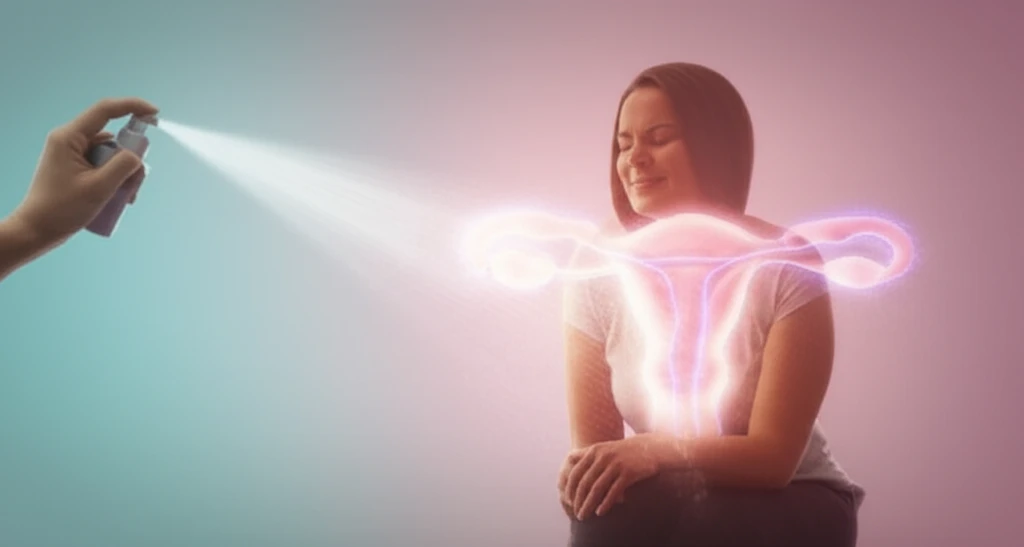
Woman experiencing pain relief during endometrial biopsy with lidocaine spray.

Spray Away Pain? How Lidocaine Could Change Endometrial Biopsies

"New research suggests a simple lidocaine spray might significantly reduce discomfort during outpatient endometrial sampling. Is this the future of pain management in gynecology?"


For women over 35, abnormal vaginal bleeding is a common and often distressing issue, potentially signaling various conditions from treatable infections to more serious concerns like endometrial cancer. A crucial step in diagnosis is often an endometrial biopsy, a procedure that, despite its necessity, can cause significant pain and anxiety.

Traditionally, pain management during endometrial biopsies has involved methods ranging from oral analgesics to more invasive techniques like cervical injections. However, a recent study conducted at Thammasat University Hospital in Thailand suggests a simpler, less invasive approach: a topical lidocaine spray. This research investigates whether a quick spray of lidocaine can effectively minimize pain during the procedure, potentially improving patient comfort and acceptance.

This article will delve into the findings of this randomized, placebo-controlled trial, exploring how lidocaine spray compares to traditional methods and what implications this could have for women undergoing endometrial biopsies. We'll break down the study's methodology, results, and potential benefits, offering a clear understanding of whether lidocaine spray could be the future of pain relief in outpatient gynecology.

Lidocaine Spray: A Game-Changer for Biopsy Pain?

Woman experiencing pain relief during endometrial biopsy with lidocaine spray.

The study, involving 140 participants, compared the use of 10% lidocaine spray to a placebo (saline spray) in women undergoing outpatient endometrial biopsies using the Novak curette method. The participants, nurses, and gynecologists were all blinded to which spray was being used. The lidocaine group received four puffs of the spray on the cervix three minutes before the procedure.

Researchers then measured pain levels using a Visual Analog Scale (VAS) at several key points: before the procedure, after speculum and tenaculum application, during the insertion of the Novak curette, during tissue aspiration, and at 15 minutes and 2 hours post-procedure. The results revealed a significant reduction in pain among the lidocaine group during critical moments of the biopsy:

  • Tenaculum Application: Only 12.8% of the lidocaine group reported severe pain compared to 28.5% in the placebo group.
  • Novak Curette Insertion: The percentage of participants experiencing severe pain dropped from 55.7% in the control group to 38.5% in the lidocaine group.
  • Tissue Aspiration: A significant decrease in severe pain was noted, with 60% in the lidocaine group versus 78.5% in the placebo group.
While the study demonstrated pain reduction during the procedure, it's important to note that there were no statistically significant differences in pain levels between the two groups at 15 minutes and 2 hours post-procedure. This suggests that the lidocaine spray primarily offers immediate relief during the most intense moments of the biopsy.

A Simpler, Kinder Future for Endometrial Biopsies?

The findings of this study offer a promising step forward in improving the patient experience during endometrial biopsies. By demonstrating that a simple lidocaine spray can significantly reduce pain during key moments of the procedure, this research opens the door for more comfortable and less anxiety-ridden outpatient gynecology visits.

Compared to more invasive pain management techniques, lidocaine spray offers a non-invasive, cost-effective, and easily administered solution. This could lead to increased patient acceptance of endometrial biopsies, ultimately facilitating earlier diagnosis and treatment of potentially serious conditions.

While further research may be needed to optimize the application and duration of lidocaine's effects, this study provides strong evidence that a simple spray can make a significant difference in women's health. It's a testament to the power of innovative thinking in addressing common concerns and improving the overall quality of care.

About this Article -

This article was crafted using a human-AI hybrid and collaborative approach. AI assisted our team with initial drafting, research insights, identifying key questions, and image generation. Our human editors guided topic selection, defined the angle, structured the content, ensured factual accuracy and relevance, refined the tone, and conducted thorough editing to deliver helpful, high-quality information.See our About page for more information.

This article is based on research published under:

DOI-LINK: 10.1155/2018/1238627, Alternate LINK

Title: The Efficacy Of Lidocaine Spray In Pain Relief During Outpatient-Based Endometrial Sampling: A Randomized Placebo-Controlled Trial

Subject: Anesthesiology and Pain Medicine

Journal: Pain Research and Treatment

Publisher: Hindawi Limited

Authors: Wiphawee Luangtangvarodom, Densak Pongrojpaw, Athita Chanthasenanont, Junya Pattaraarchachai, Kornkarn Bhamarapravatana, Komsun Suwannarurk

Published: 2018-10-21

Everything You Need To Know

1

What is an endometrial biopsy and why is it performed?

An endometrial biopsy is a medical procedure where a sample of the uterine lining (endometrium) is taken for examination. It's often necessary for women experiencing abnormal vaginal bleeding, a common issue for those over 35, to diagnose conditions ranging from infections to endometrial cancer. The procedure itself can be painful, necessitating effective pain management strategies.

2

What is lidocaine spray and how is it used in the context of the procedure?

Lidocaine spray is a topical anesthetic being explored for its potential to reduce pain during endometrial biopsies. It works by numbing the cervix, the part of the uterus that is accessed during the biopsy. The study used a 10% lidocaine spray, applied with four puffs, three minutes before the procedure to provide localized pain relief. This contrasts with traditional methods like oral analgesics or cervical injections.

3

What were the main findings of the study regarding lidocaine spray?

The study found that lidocaine spray significantly reduced pain during critical parts of the endometrial biopsy. The study measured pain using a Visual Analog Scale (VAS) and observed decreased pain levels during the application of the tenaculum, the insertion of the Novak curette, and during tissue aspiration. This indicates that lidocaine spray can make the procedure more tolerable, particularly during the most painful moments.

4

How was the study designed to test the effectiveness of lidocaine spray?

The study employed a randomized, placebo-controlled trial. This means that participants were randomly assigned to receive either the lidocaine spray or a placebo (saline spray), ensuring no bias in the results. Both the participants, nurses, and gynecologists were blinded to which spray was being used to maintain the integrity of the results. This methodology adds credibility to the findings, indicating the effectiveness of lidocaine spray for pain reduction during endometrial biopsies.

5

What are the potential implications of using lidocaine spray for endometrial biopsies?

The study's findings suggest a shift towards more comfortable outpatient gynecology. By demonstrating that a simple lidocaine spray can effectively reduce pain during endometrial biopsies, this research opens the door for less anxiety-ridden visits. While the spray primarily offers relief during the procedure, it presents an improvement in the patient experience. This change could lead to better patient compliance and potentially earlier diagnosis and treatment of gynecological conditions.

Newsletter Subscribe

Subscribe to get the latest articles and insights directly in your inbox.